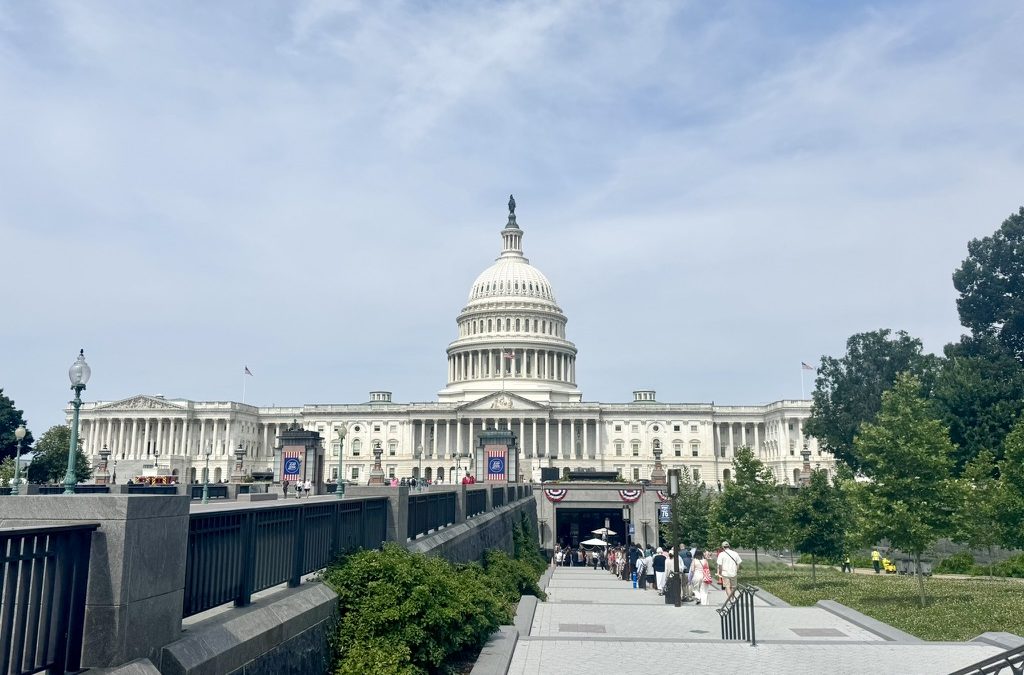
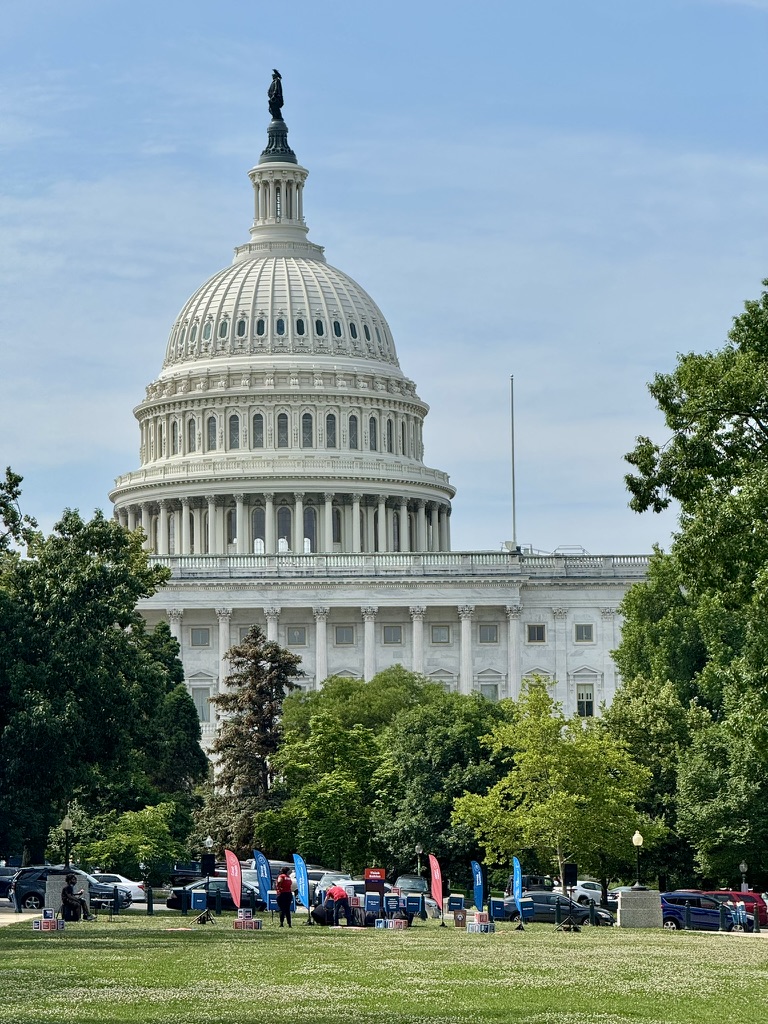
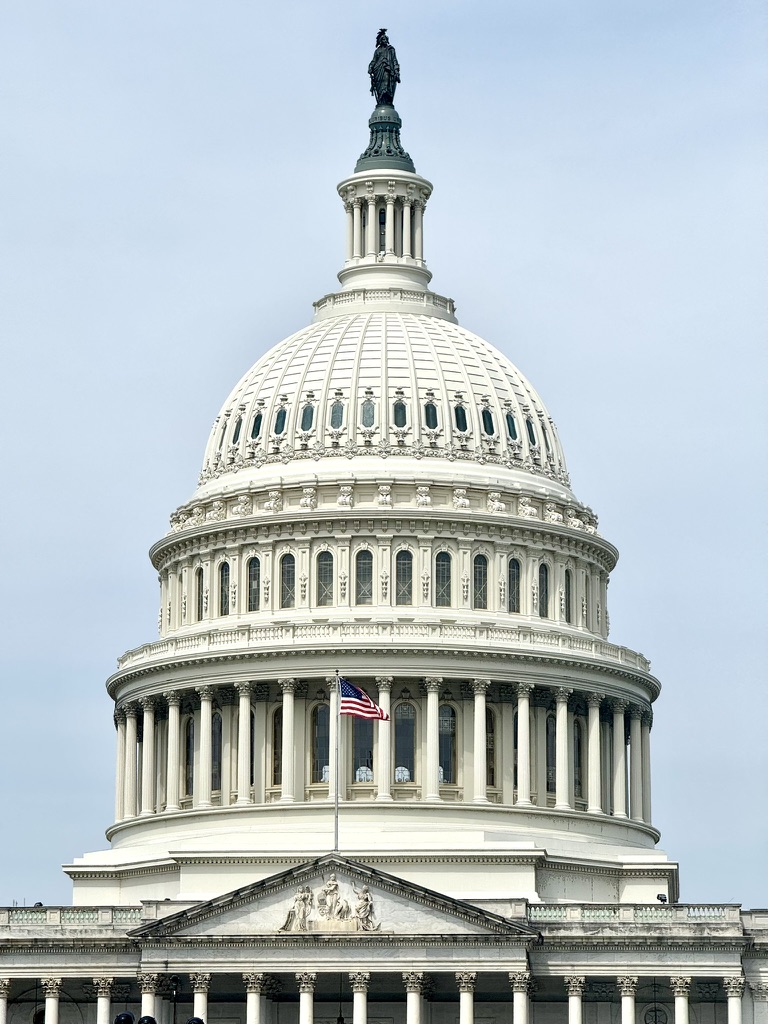
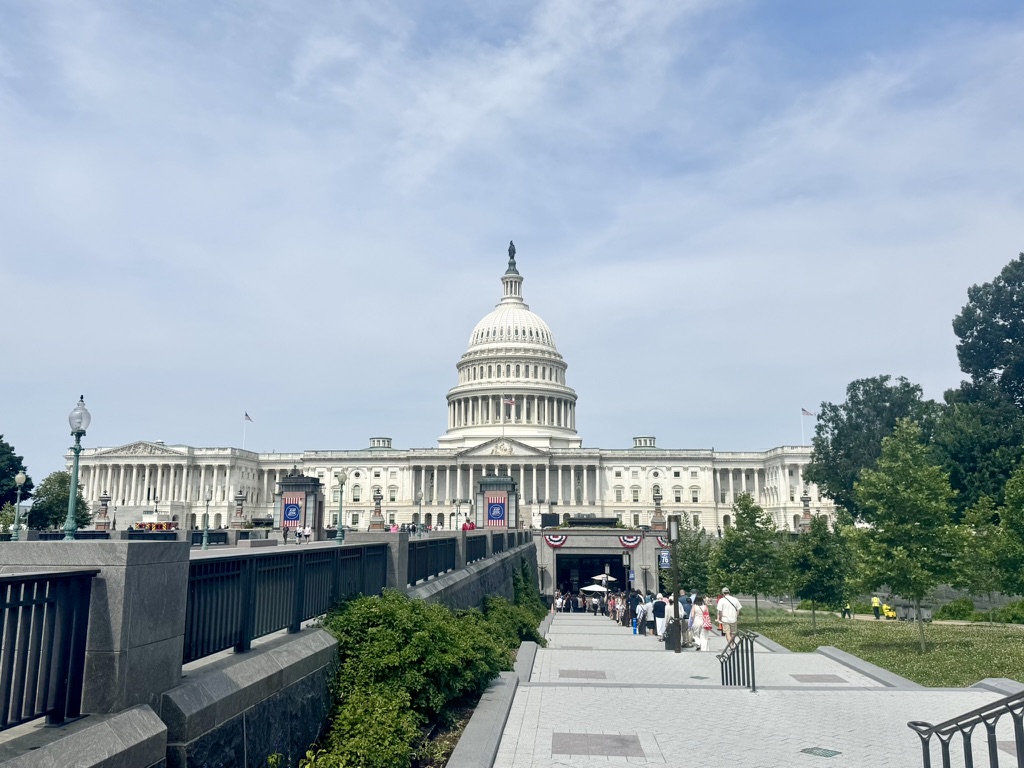
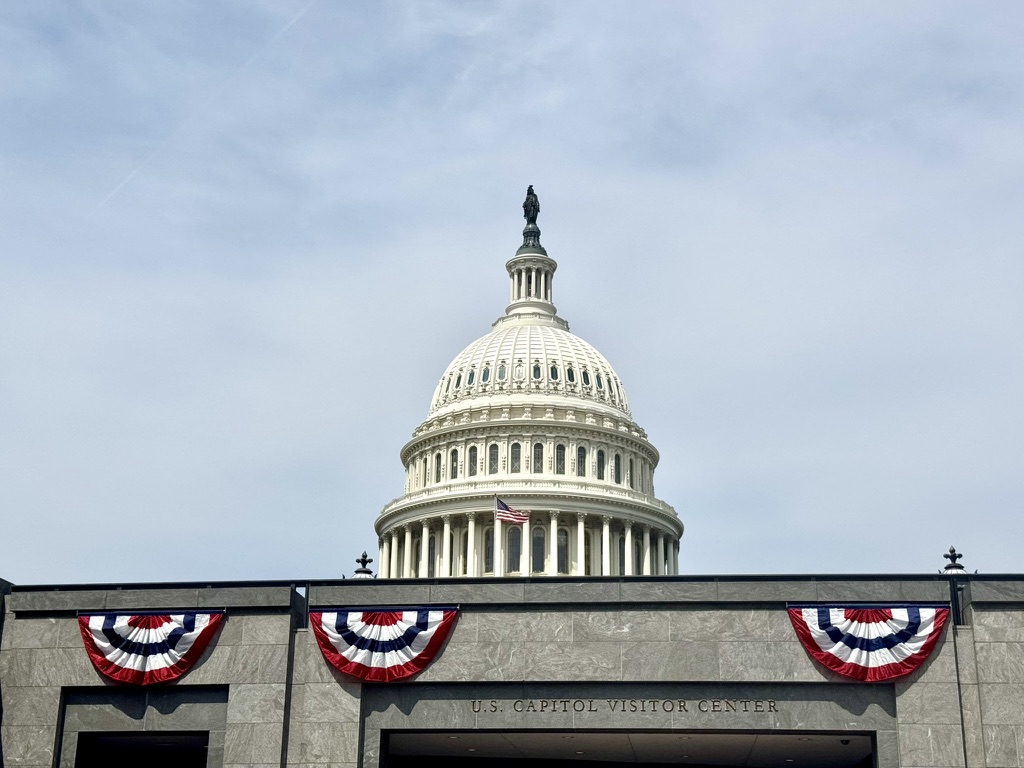
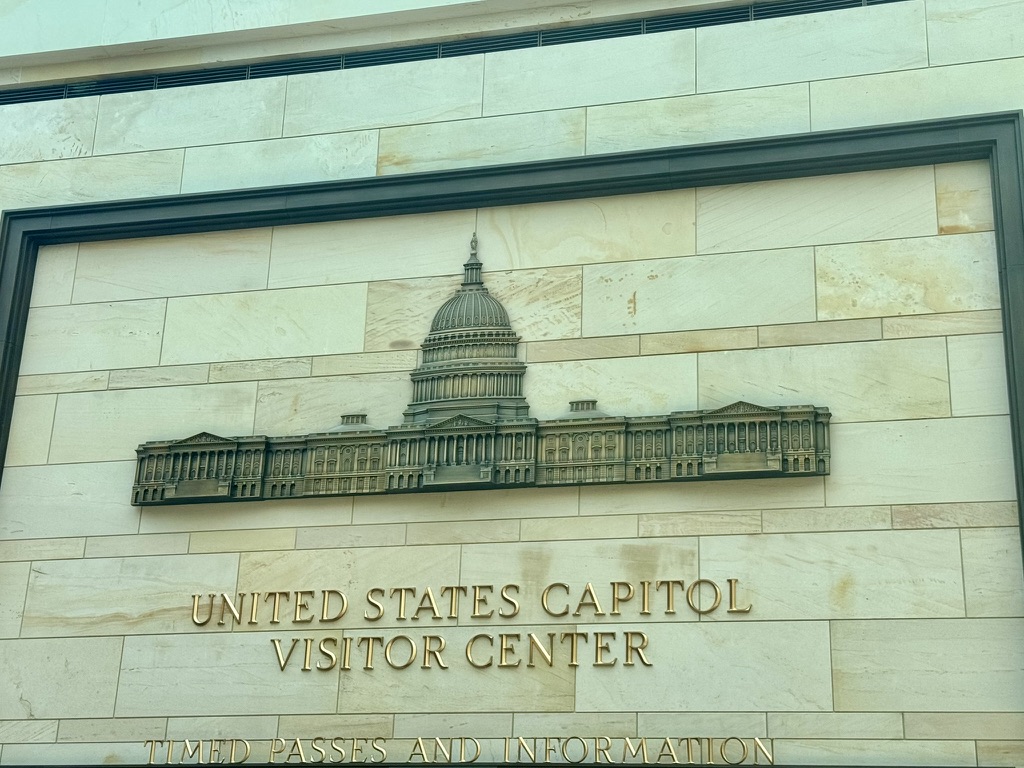
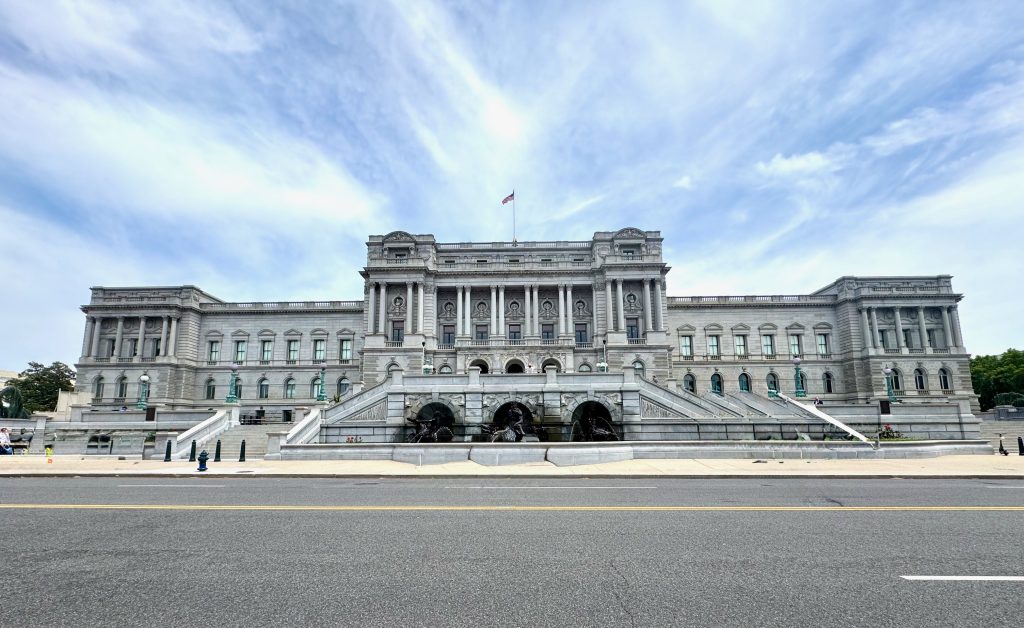
Our final day in Washington, D.C. took us to one of the places I had been looking forward to the most—the U.S. Capitol.
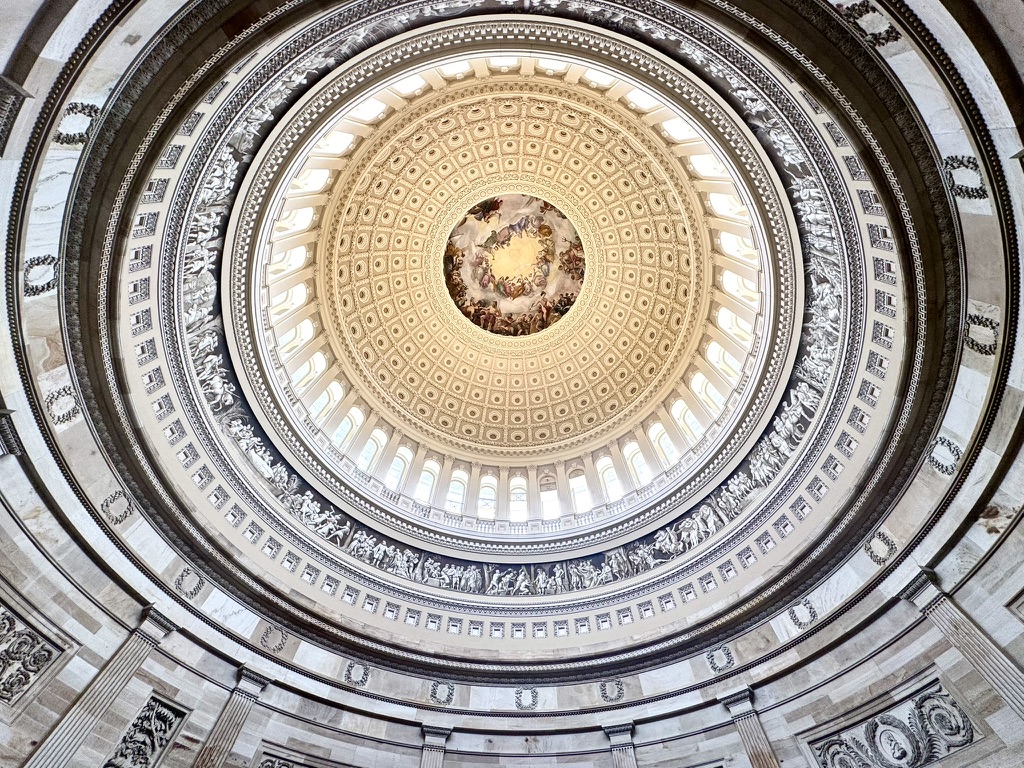
Unfortunately, this was the one stop on our trip that didn’t quite live up to our expectations. We had reserved a tour, but with hundreds of school groups visiting that day, it was incredibly crowded. Instead of being able to take our time and really appreciate the history and architecture, we often found ourselves simply moving along with the crowd.
That said, it wasn’t a wasted visit.
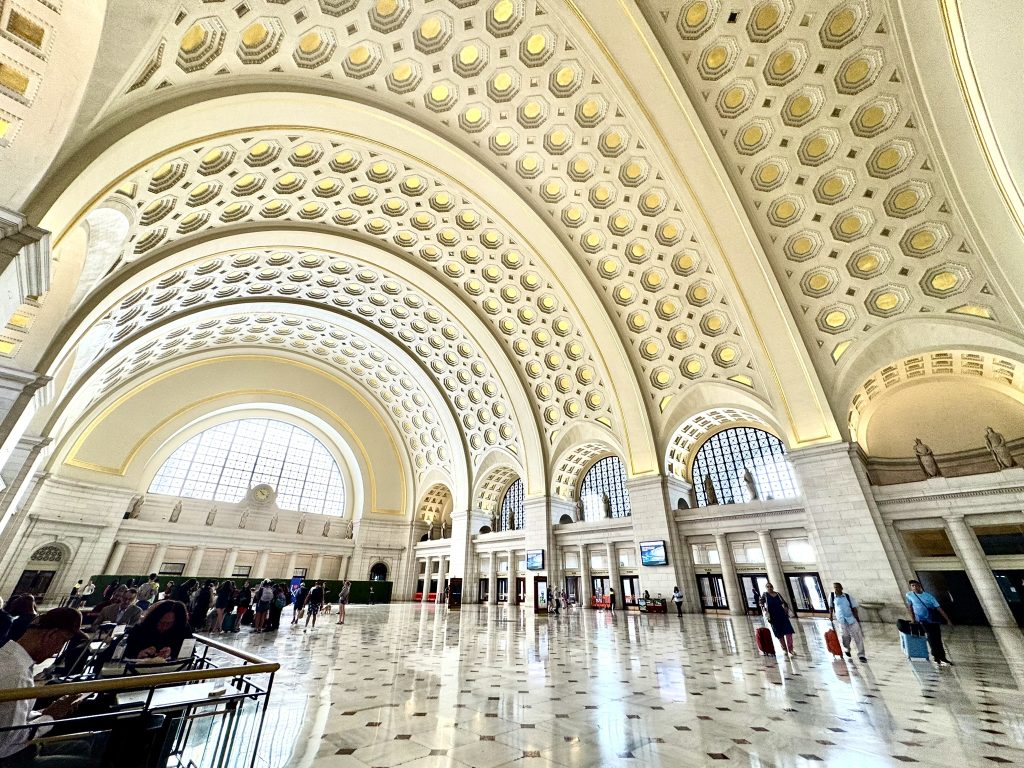
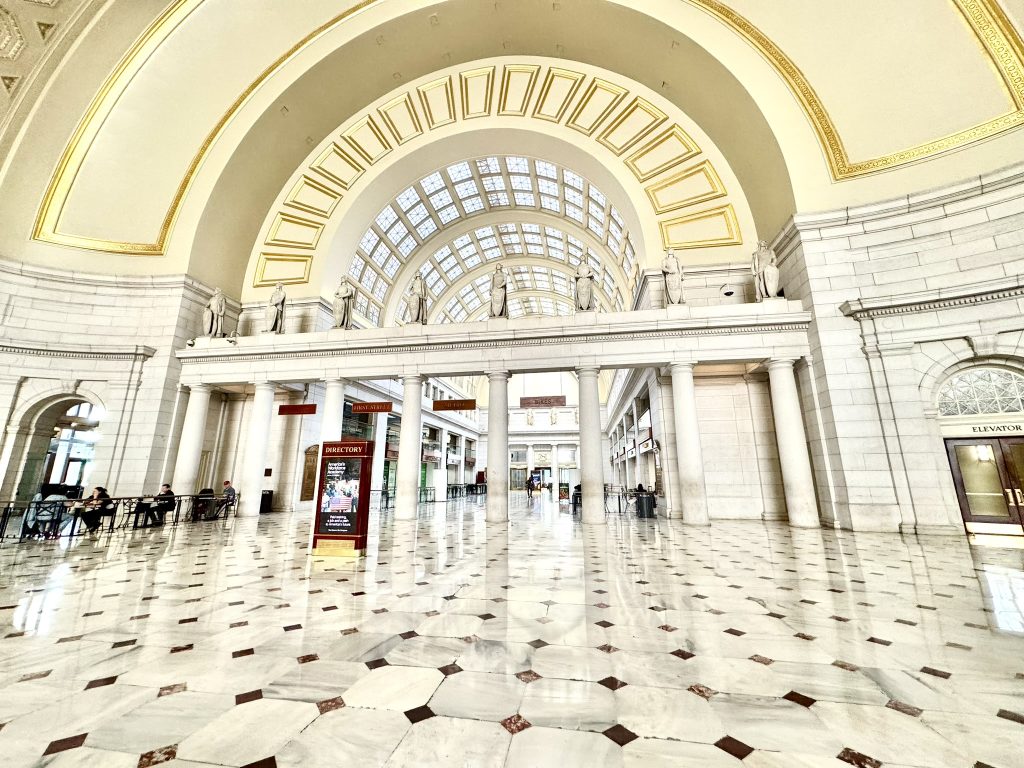
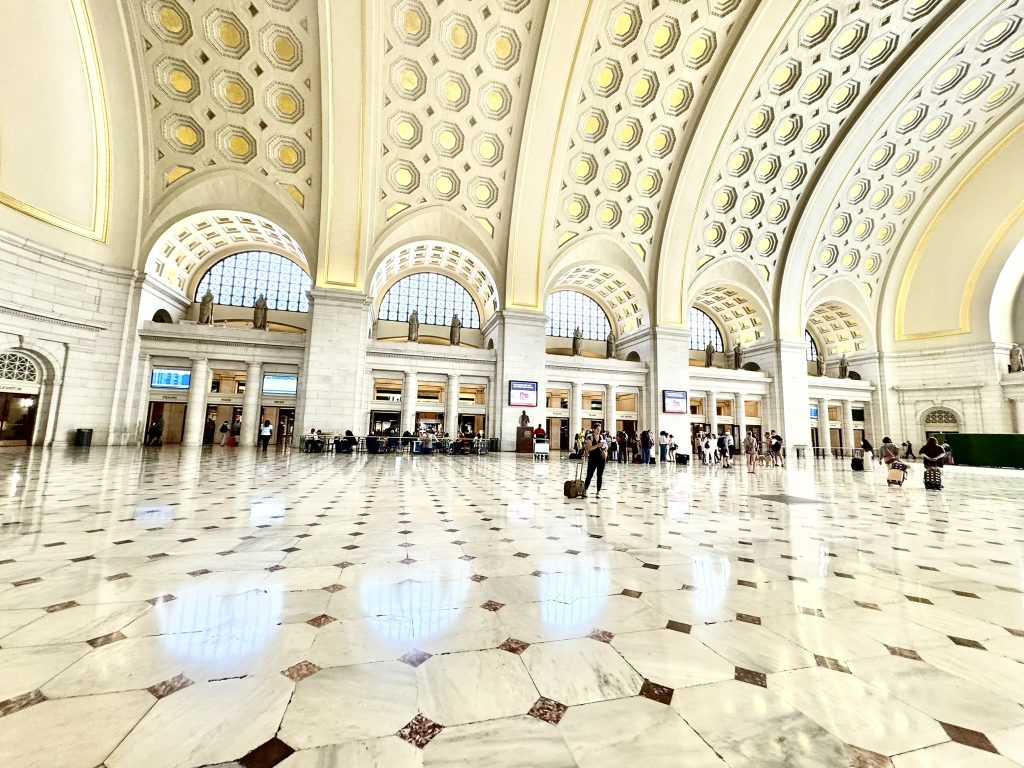
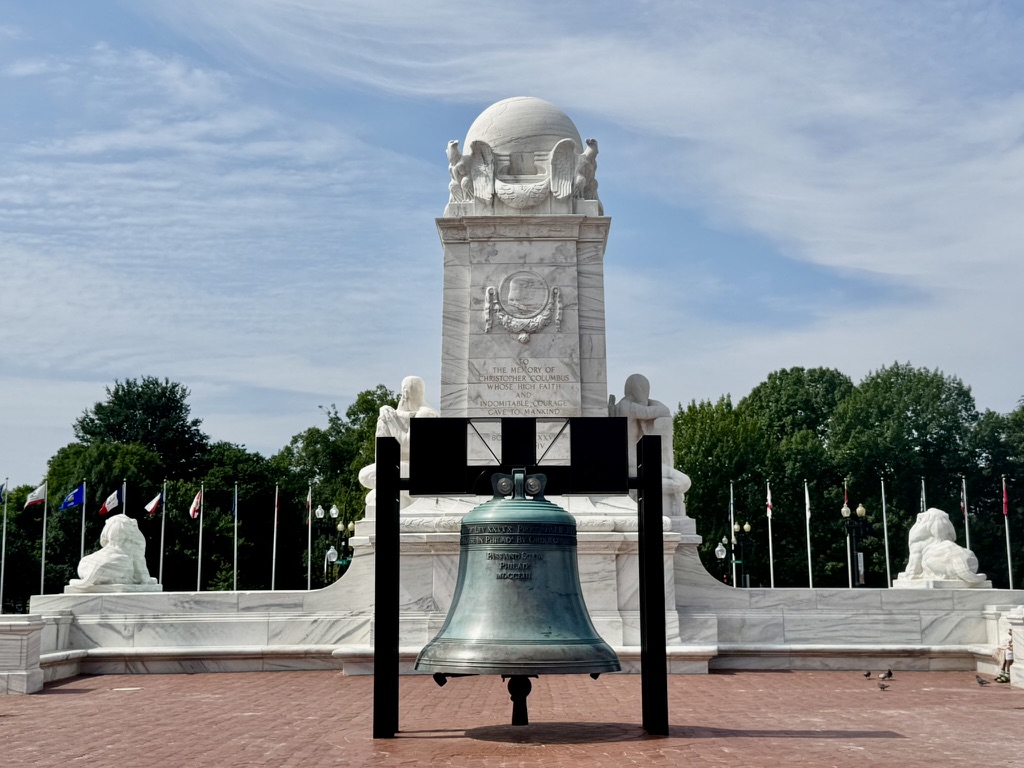
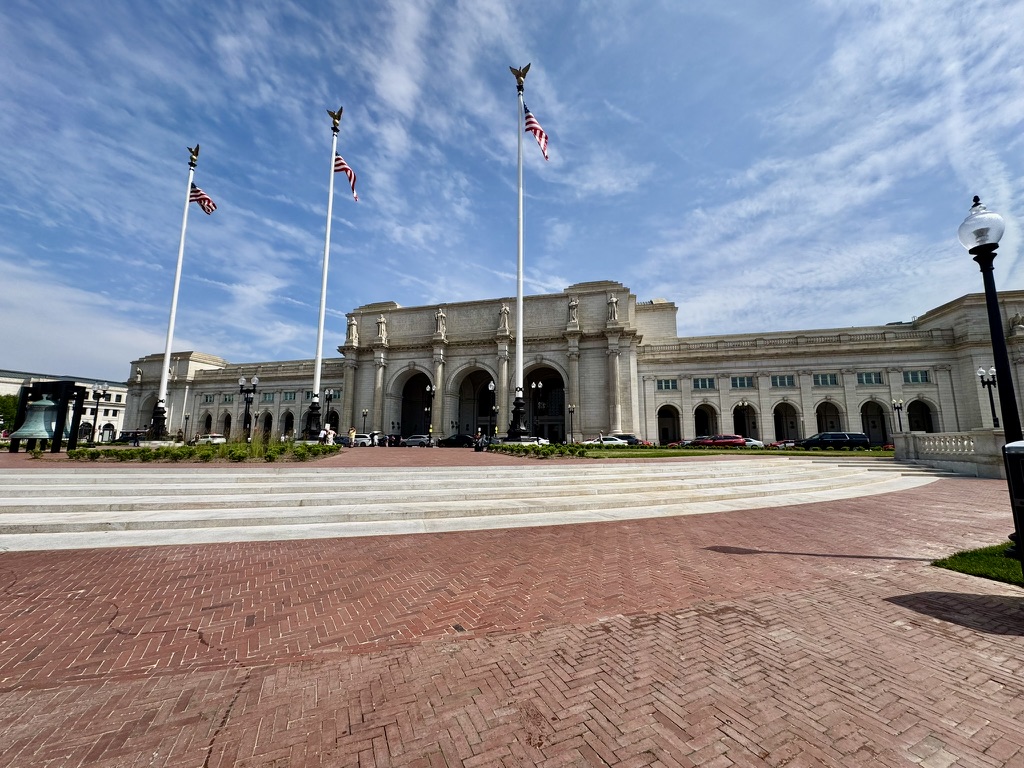
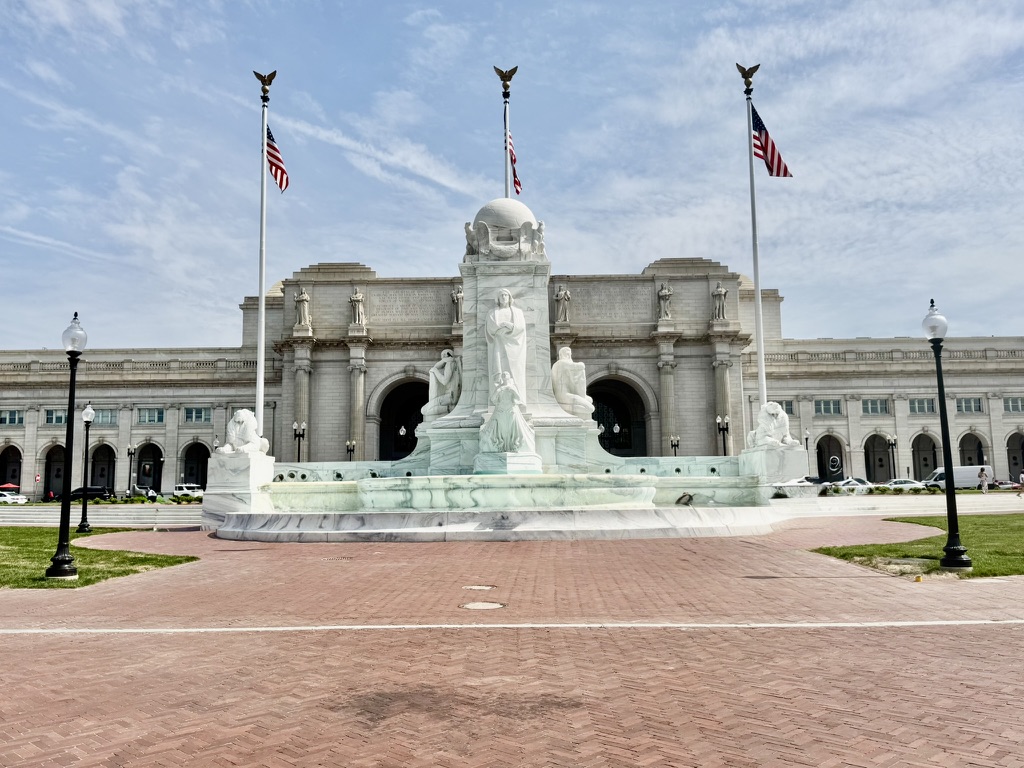
Sometimes travel teaches you just as much about how to plan your next trip as it does about the destination itself. If you’re planning a visit to Washington, I would encourage you to check school schedules and seasonal events before booking your tours. If possible, reserve your Capitol tour well in advance and consider a private guided tour if you prefer a more relaxed, in-depth experience. It’s something we’ll definitely do the next time we’re here. After leaving the Capitol, we made our way to Union Station, and once again Washington surprised us.
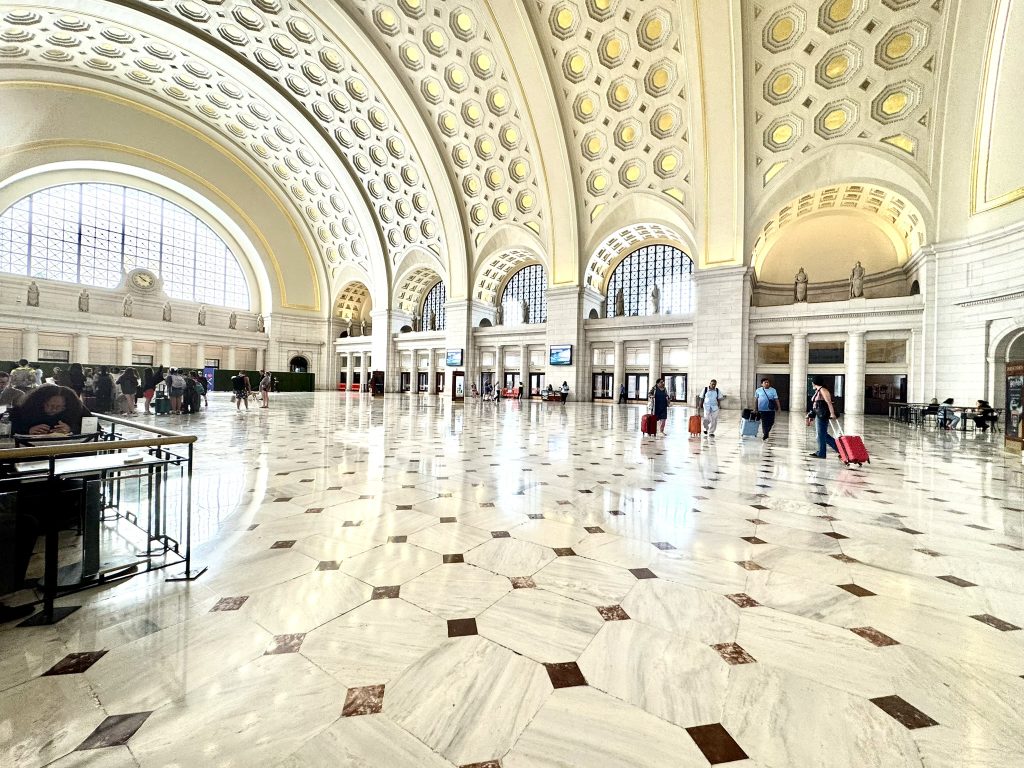
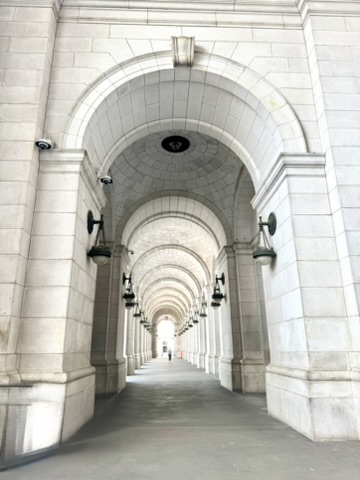
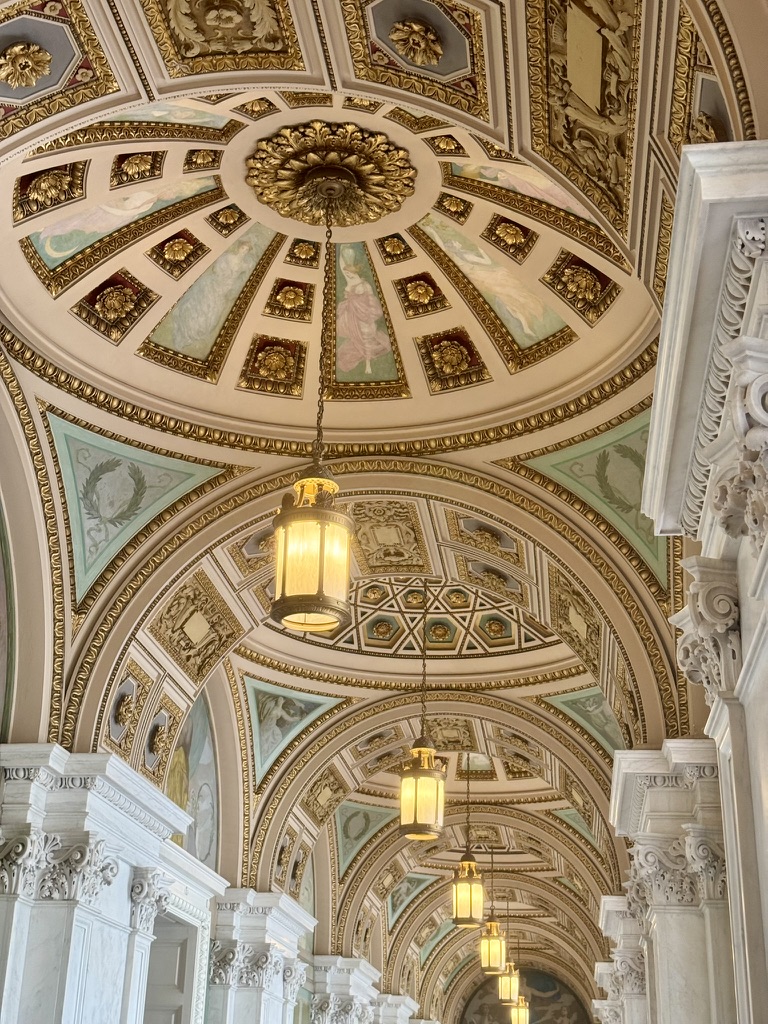
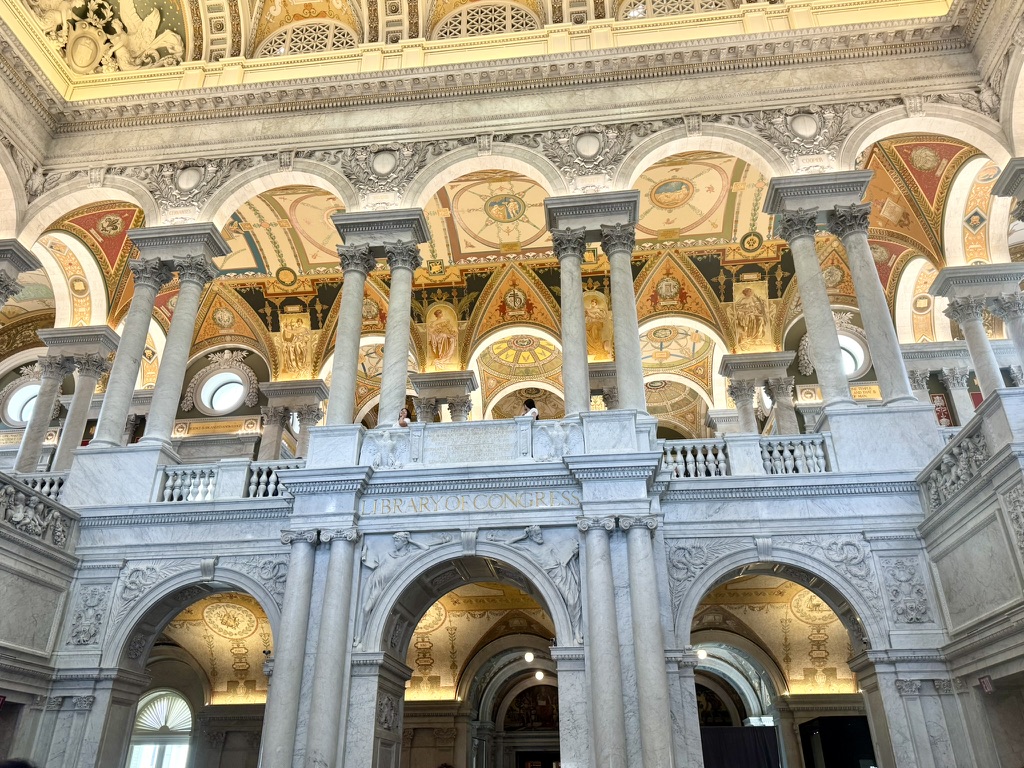
From the outside, it’s an impressive building. Step inside, though, and it’s a completely different experience. The soaring ceilings, marble details, and grand architecture immediately caught our attention. Throughout our week in Washington, one thing became clear—the interiors of these historic buildings are every bit as breathtaking as the monuments and memorials outside.
As our time in Washington came to an end, we found ourselves talking about all the places we’d seen, the miles we’d walked, and everything we’d learned along the way.
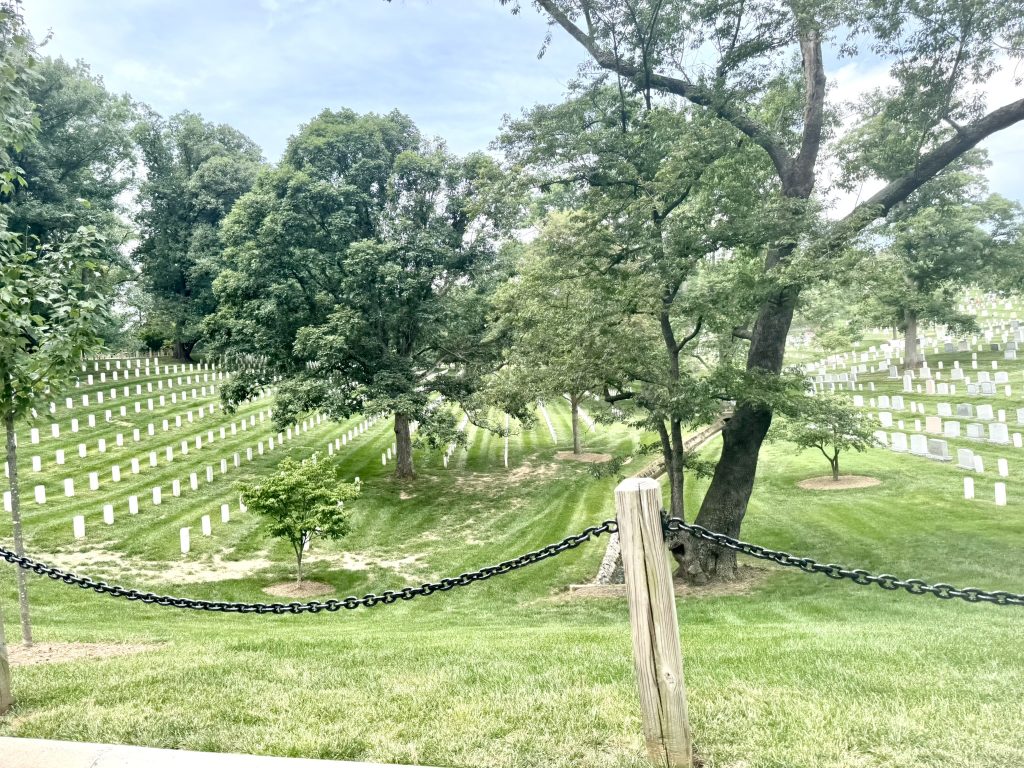
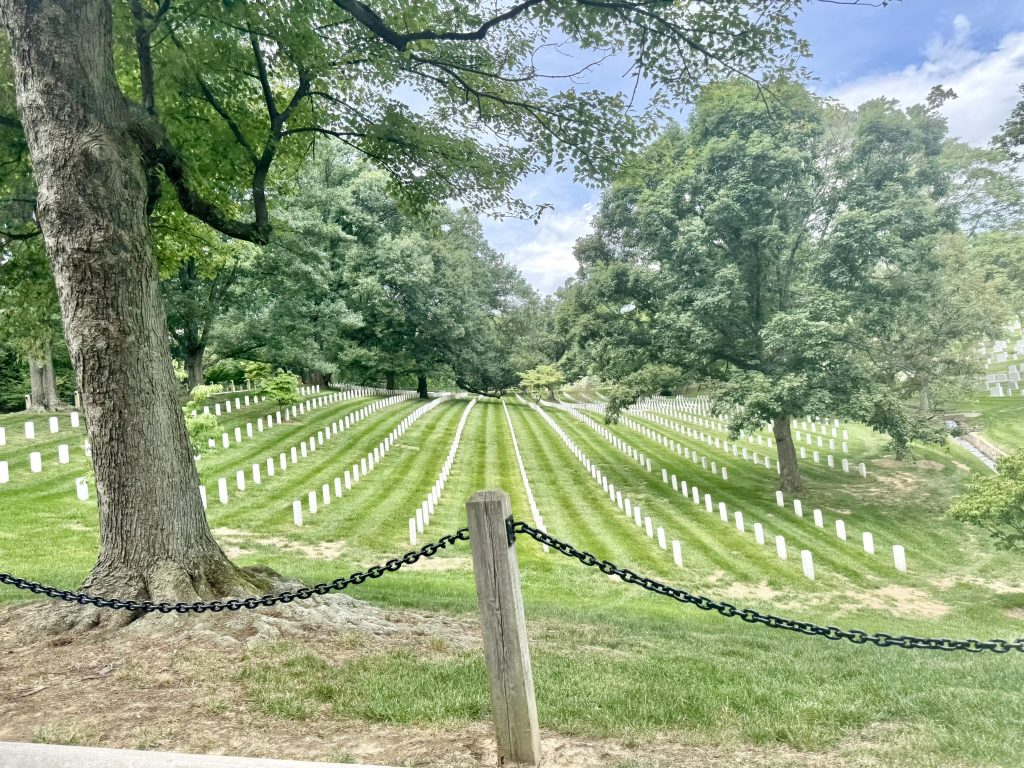
We experienced moving memorials, witnessed the precision of Arlington National Cemetery, explored museums and monuments, and discovered that even the places that don’t go exactly as planned can become memorable parts of the journey.
Washington, D.C. exceeded our expectations in more ways than one.
It reminded us that history isn’t just something you read about in a textbook—it’s something you can stand beside, walk through, and experience for yourself. Without a doubt, this city has earned a permanent spot on our “we’ll be back” list. Next time we’ll come with a little more knowledge, a few better plans, and just as much excitement to see what we missed the first time around.
Until then…Washington, thank you for the memories.
One of the perks of staying at Cherry Hill Park was the variety of guided tours they offered into Washington, D.C. Since we had already spent our first day exploring the city on our own, we thought a nighttime tour would give us a completely different perspective.
And in many ways, it did.
That being said, it also taught us an important lesson.
If you’re considering a guided tour, take a few extra minutes to research exactly what it includes. Every tour is different, and knowing the itinerary, how much walking is involved, how long you’ll spend at each stop, and what you’ll actually see can make a big difference in your overall experience. Looking back, we would have asked a lot more questions before booking.
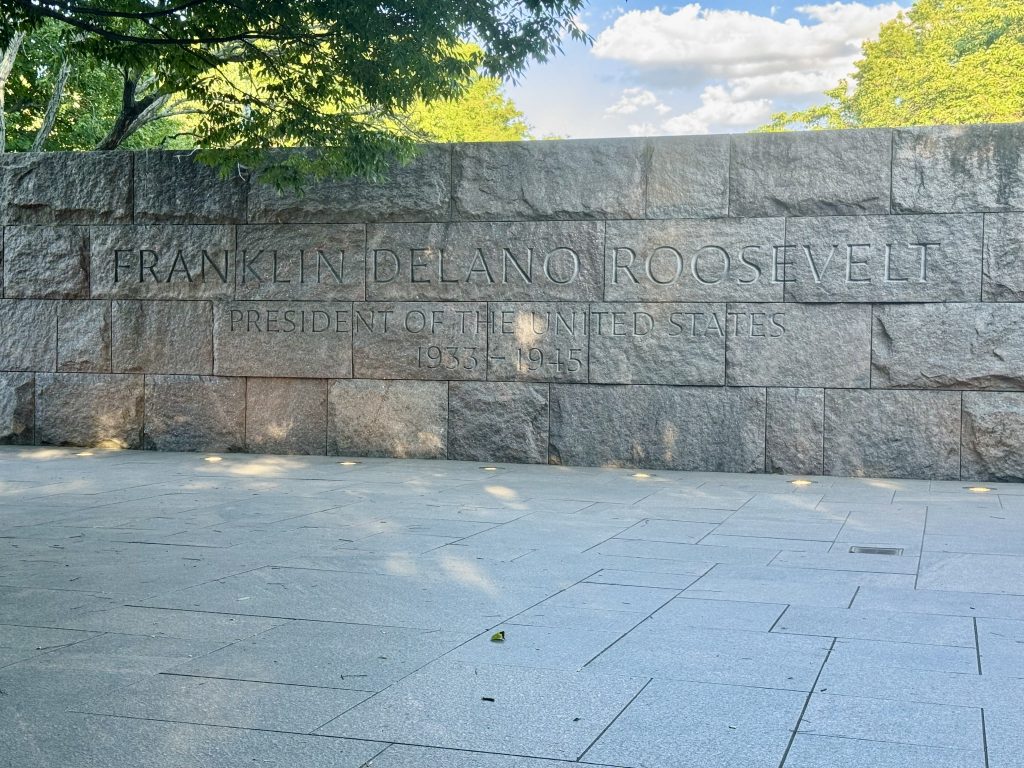
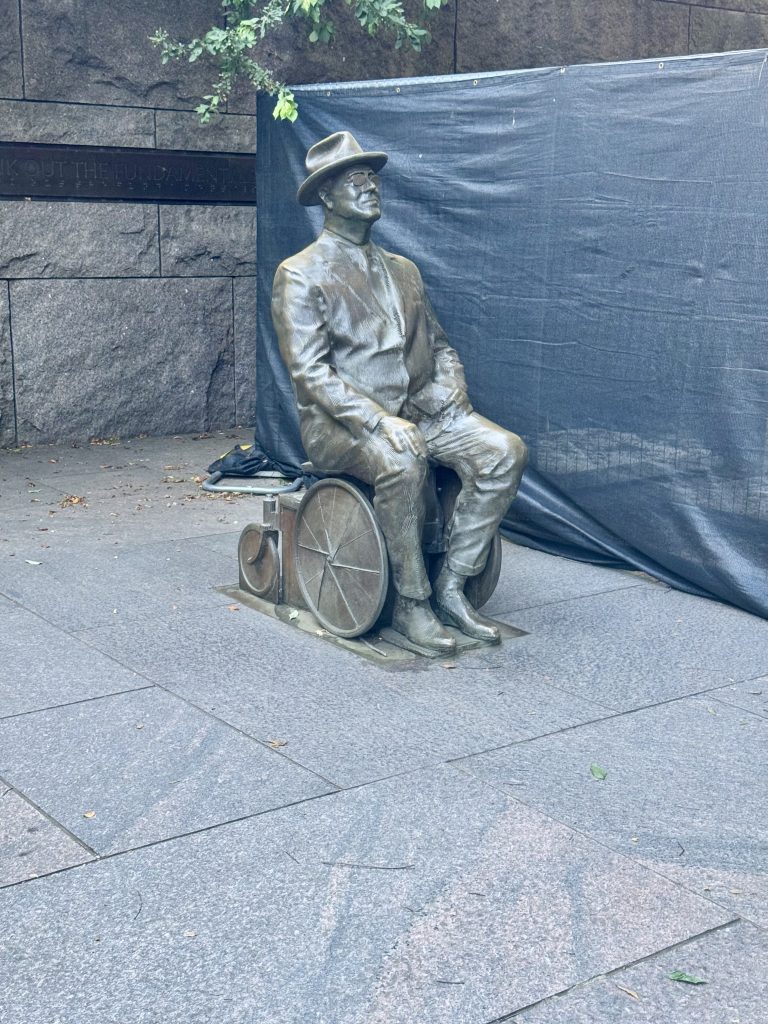
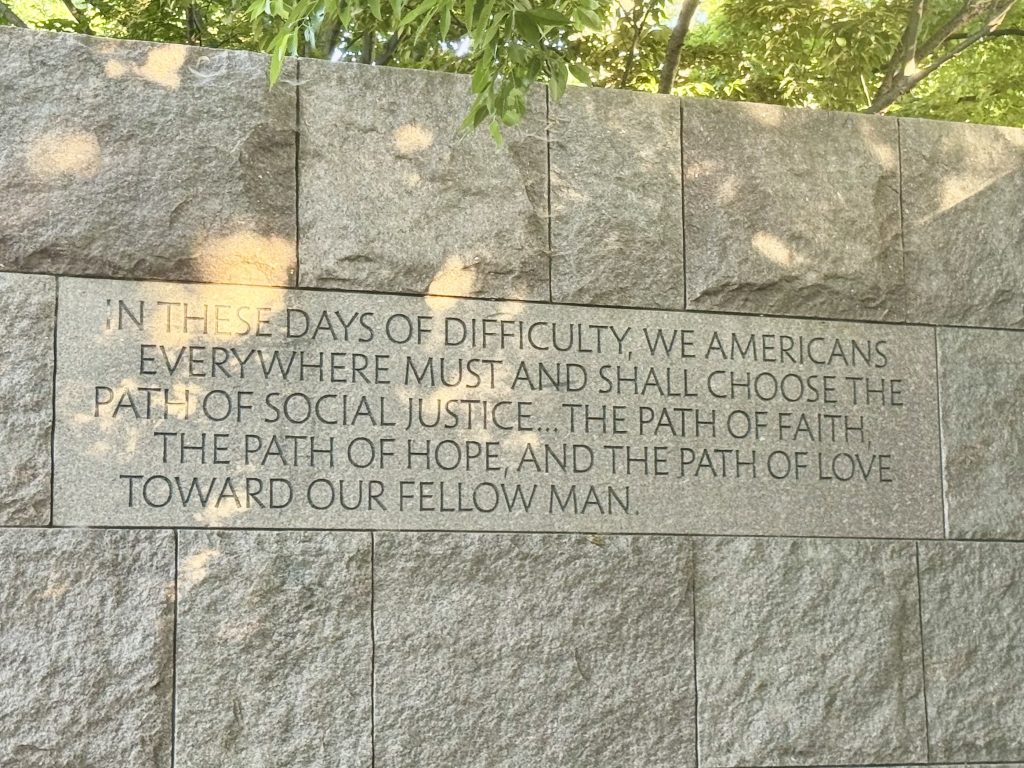
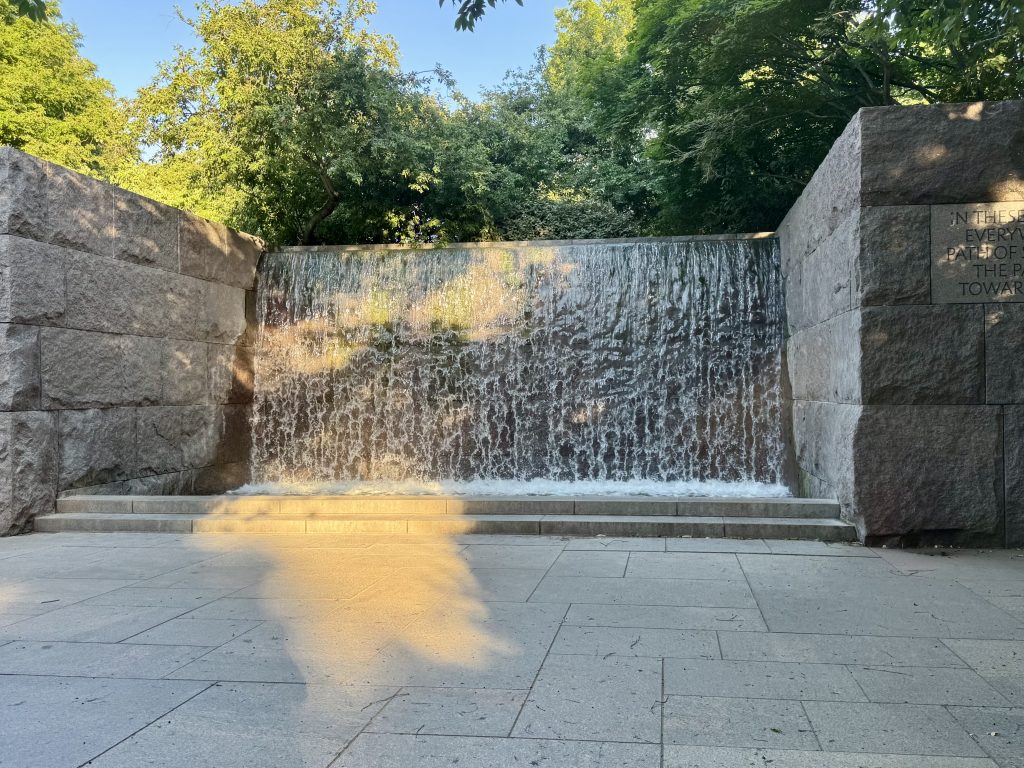
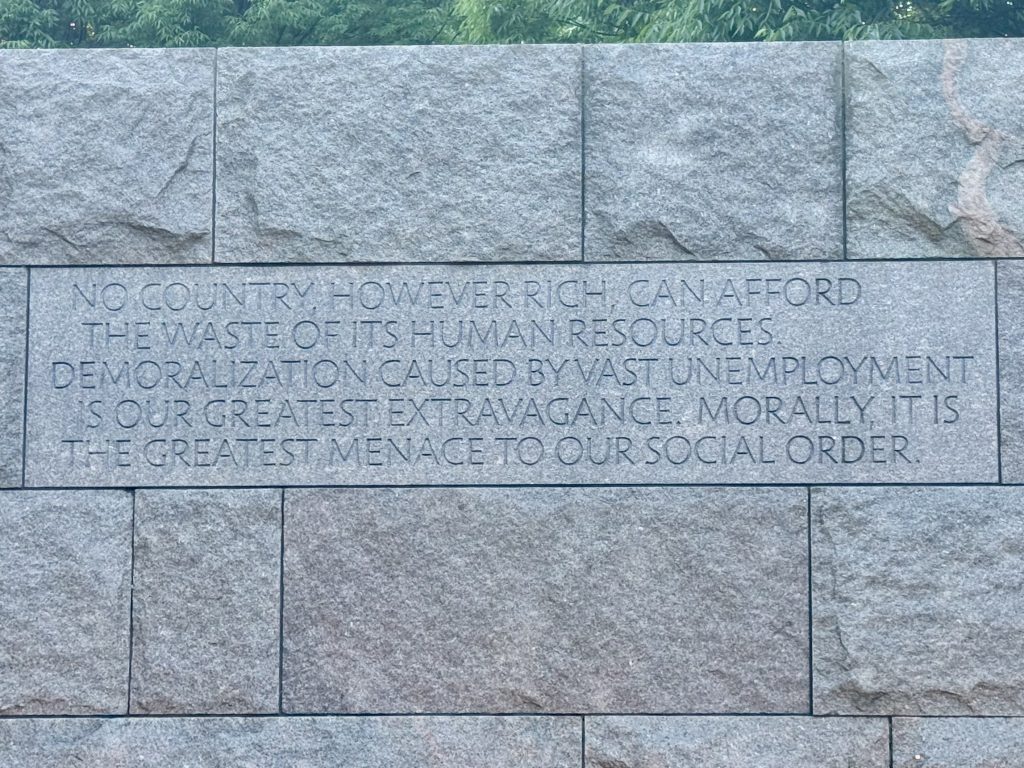
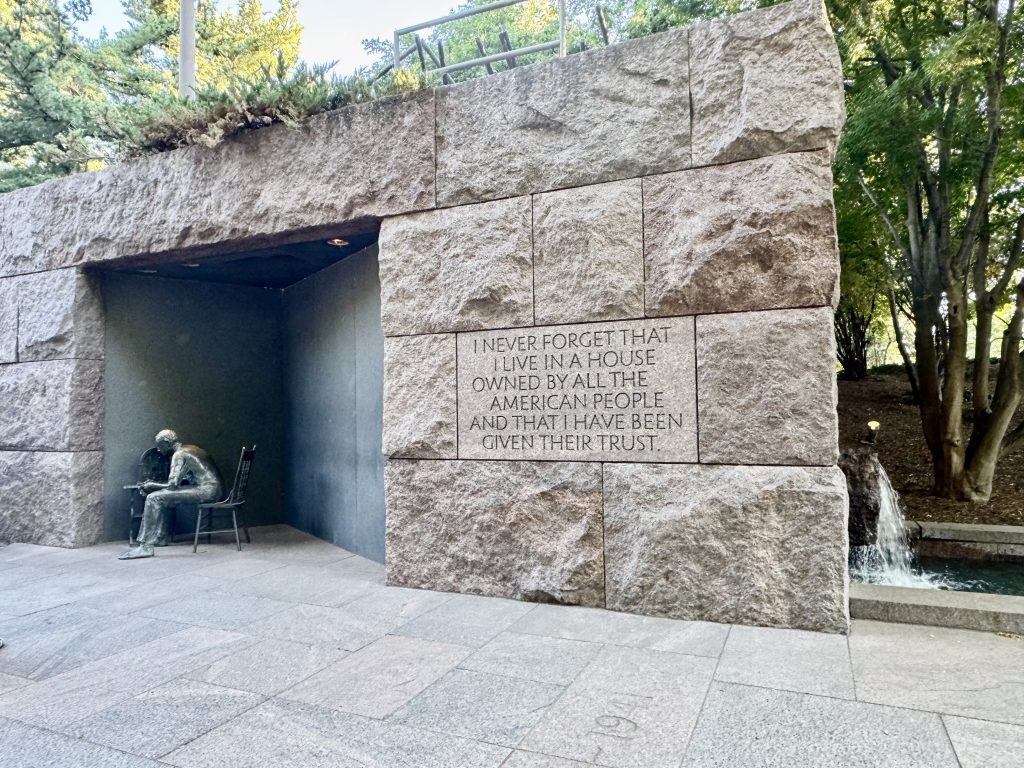
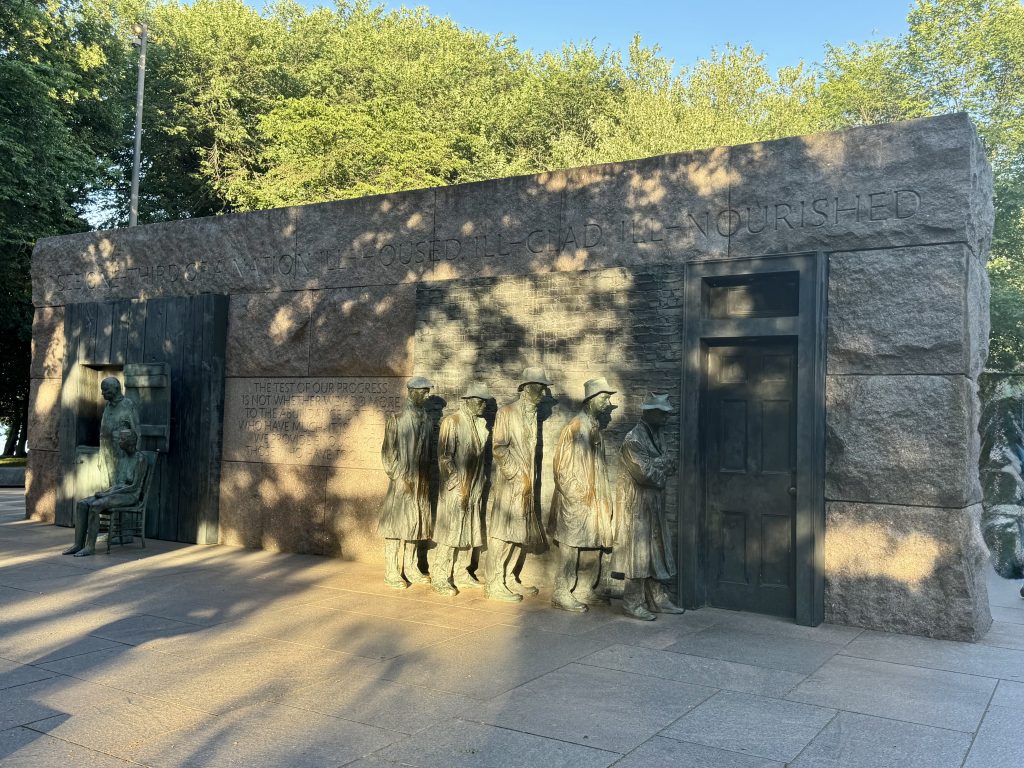
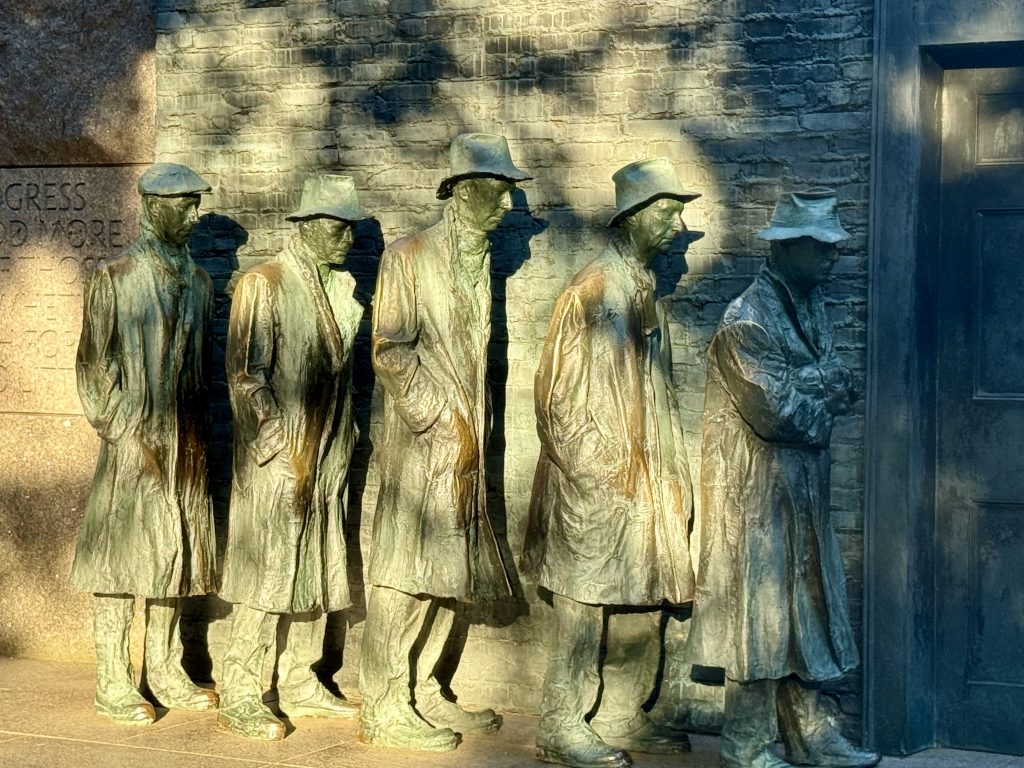
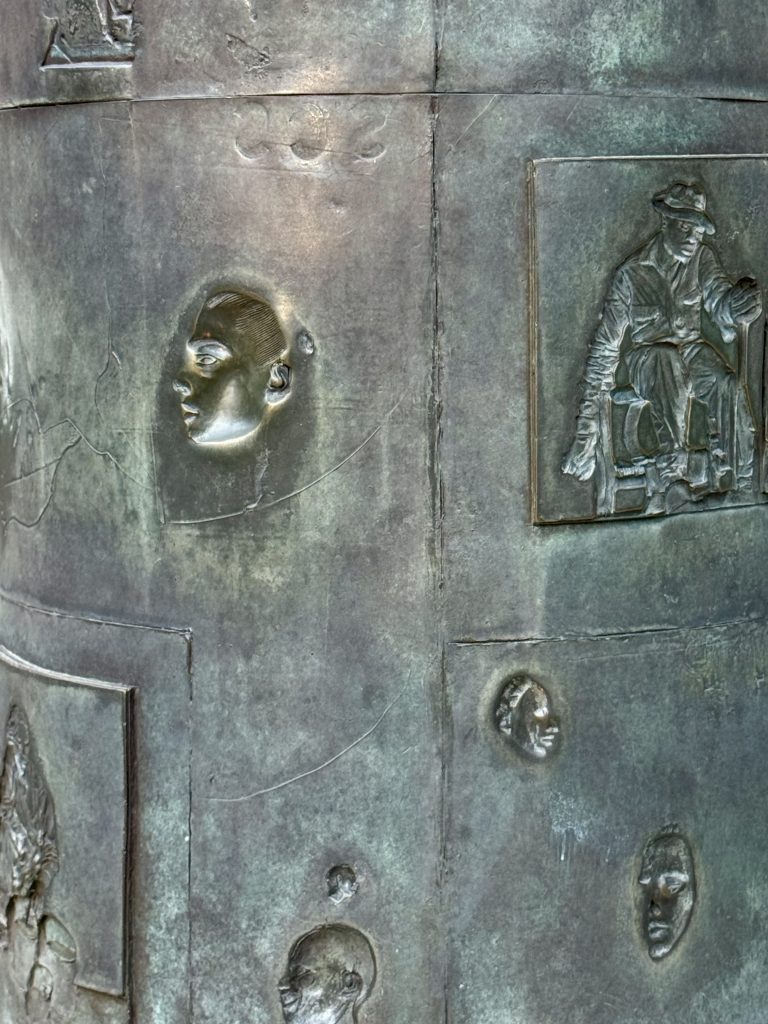
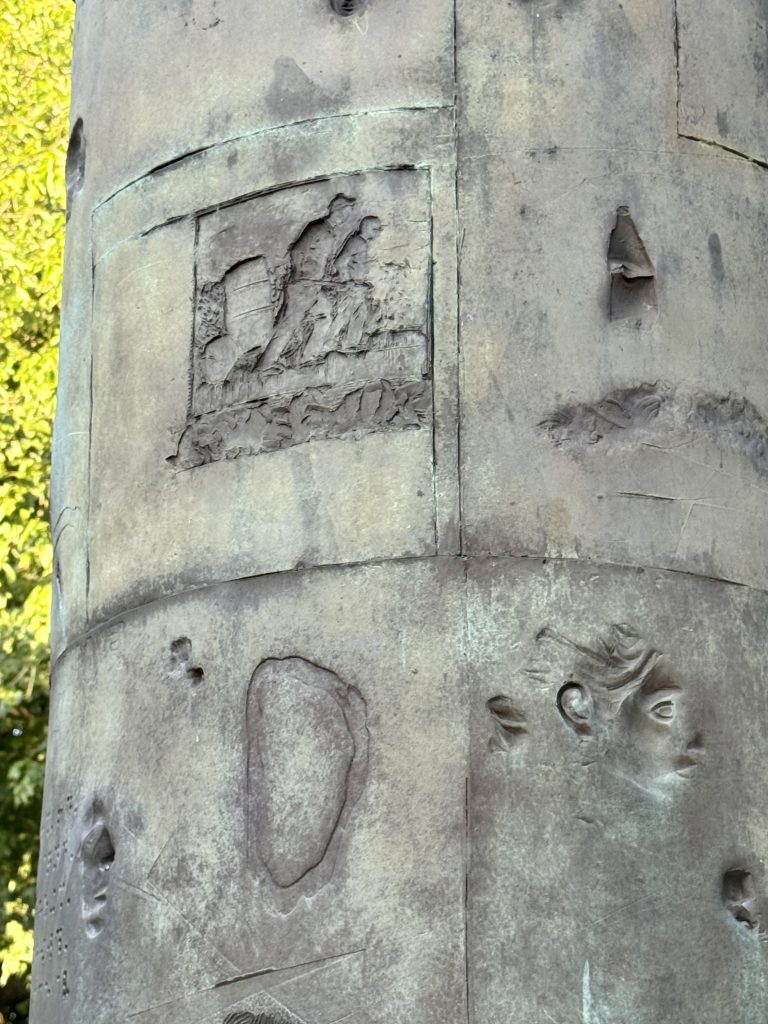
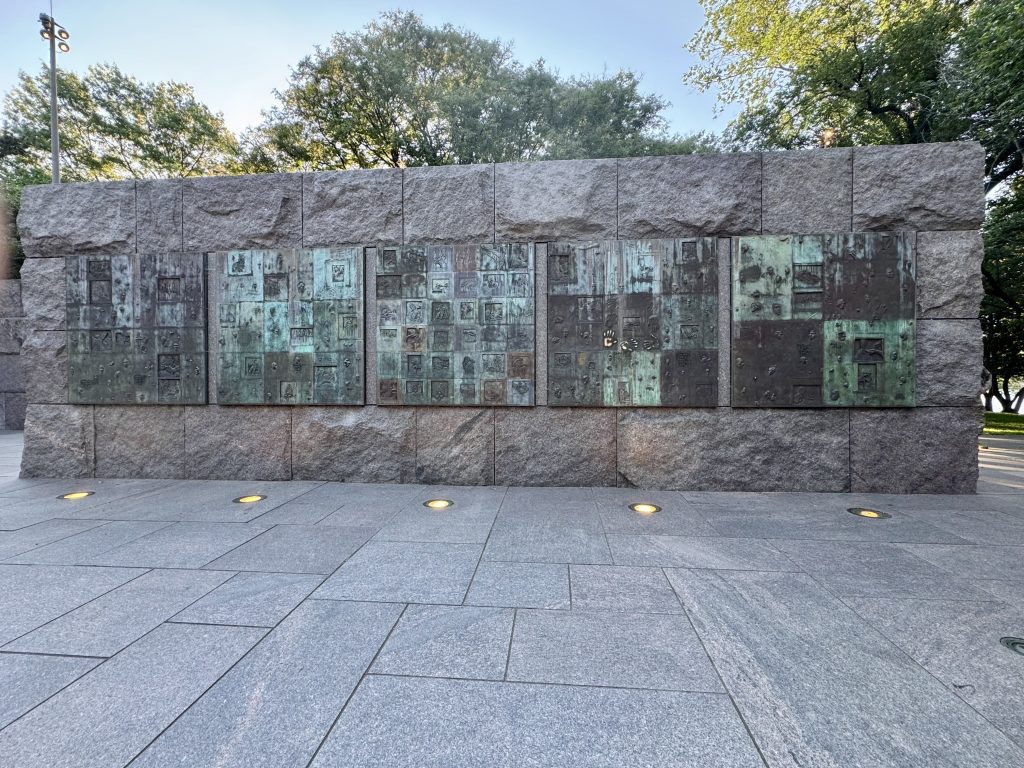
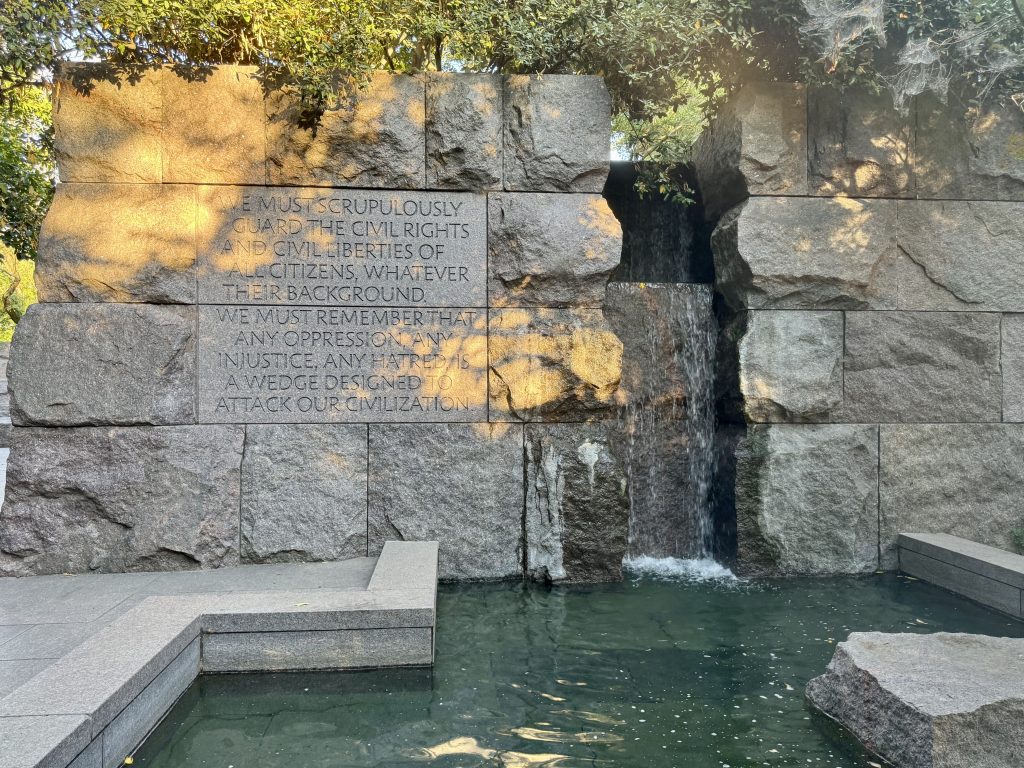
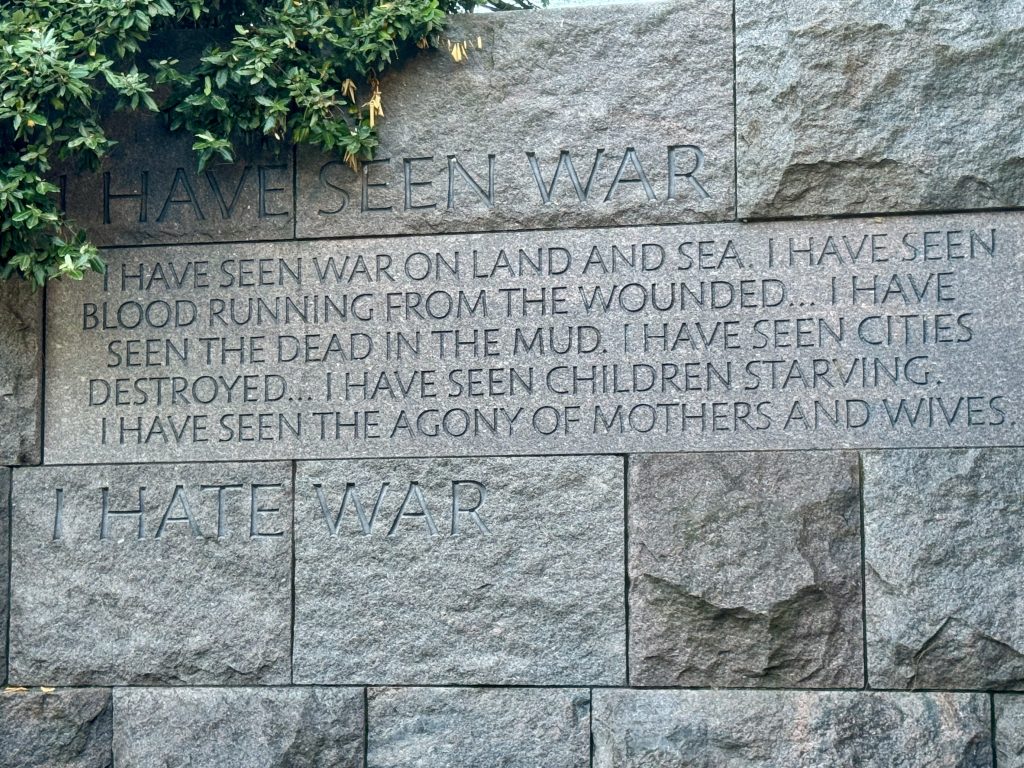
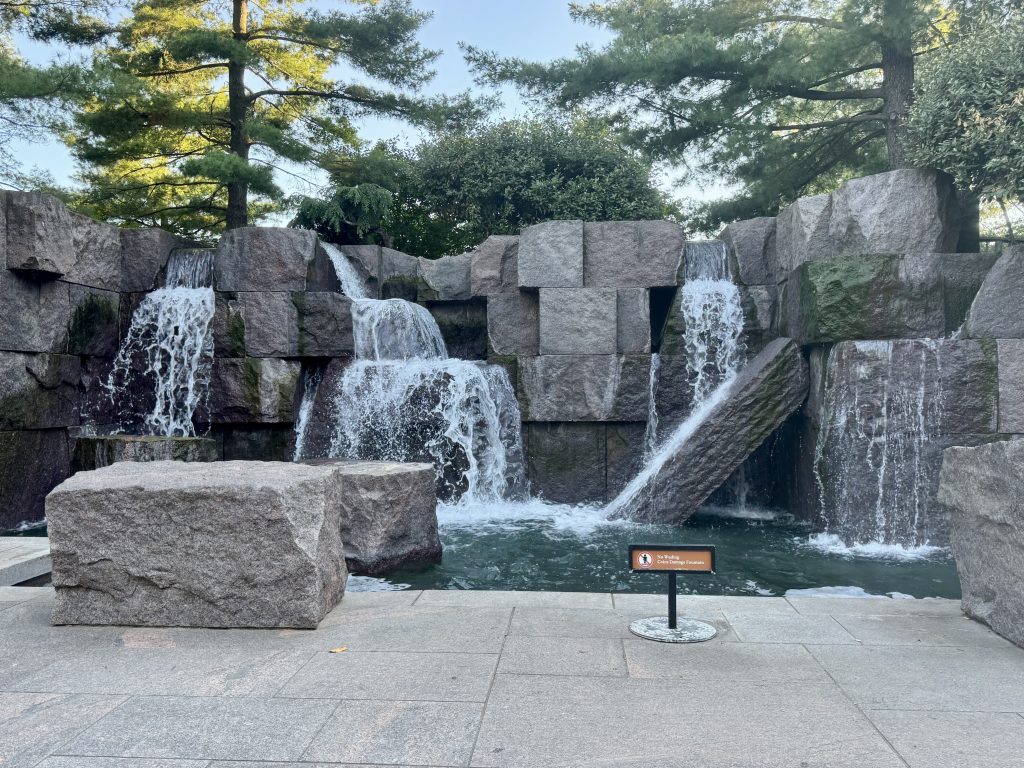
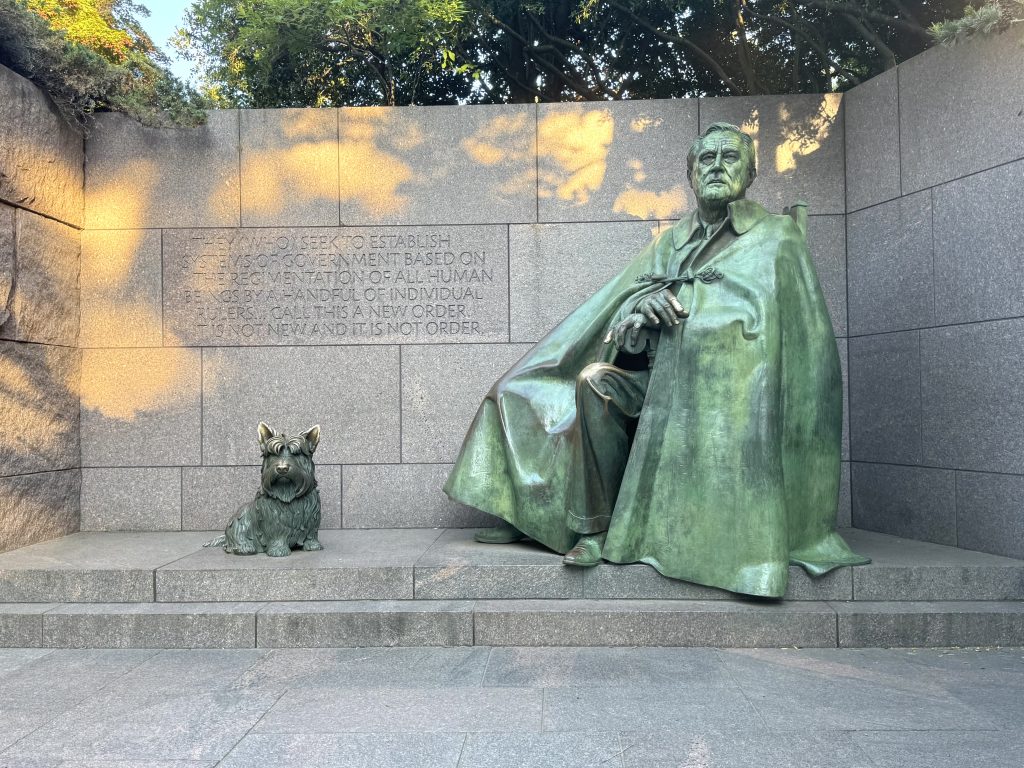
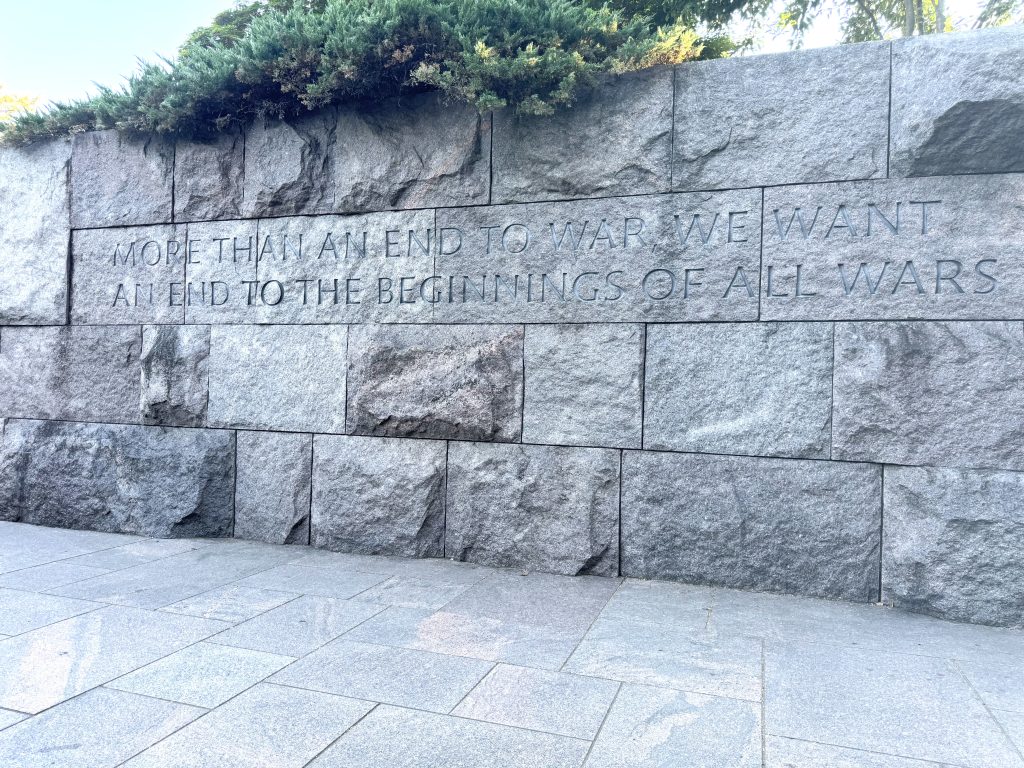
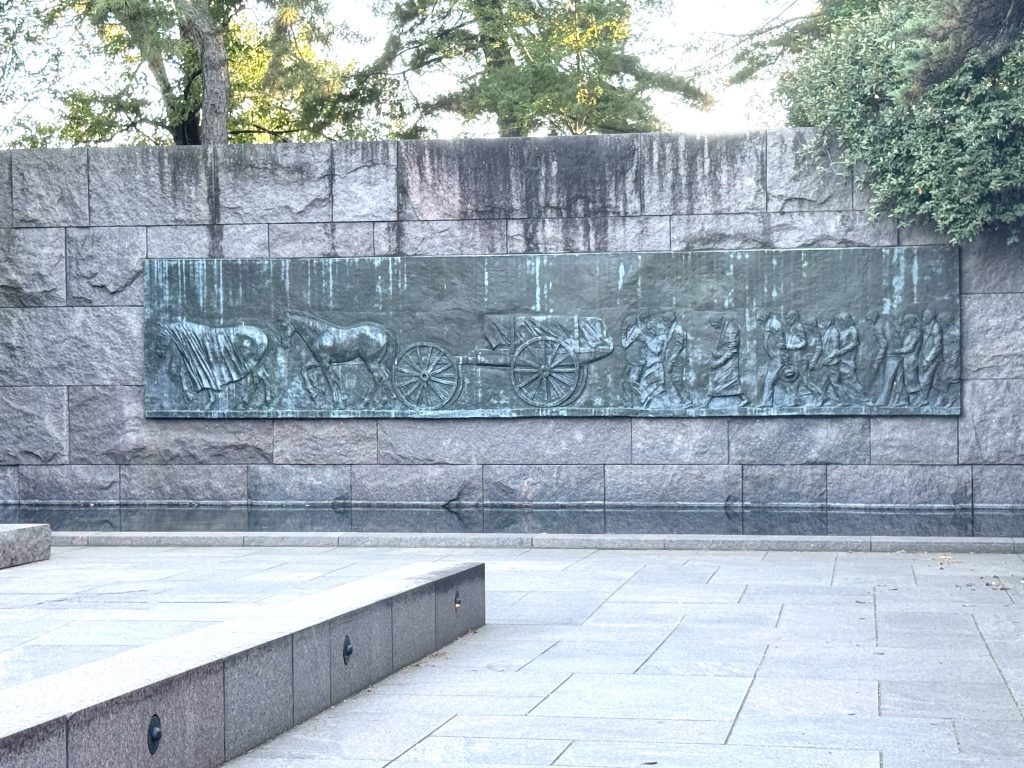
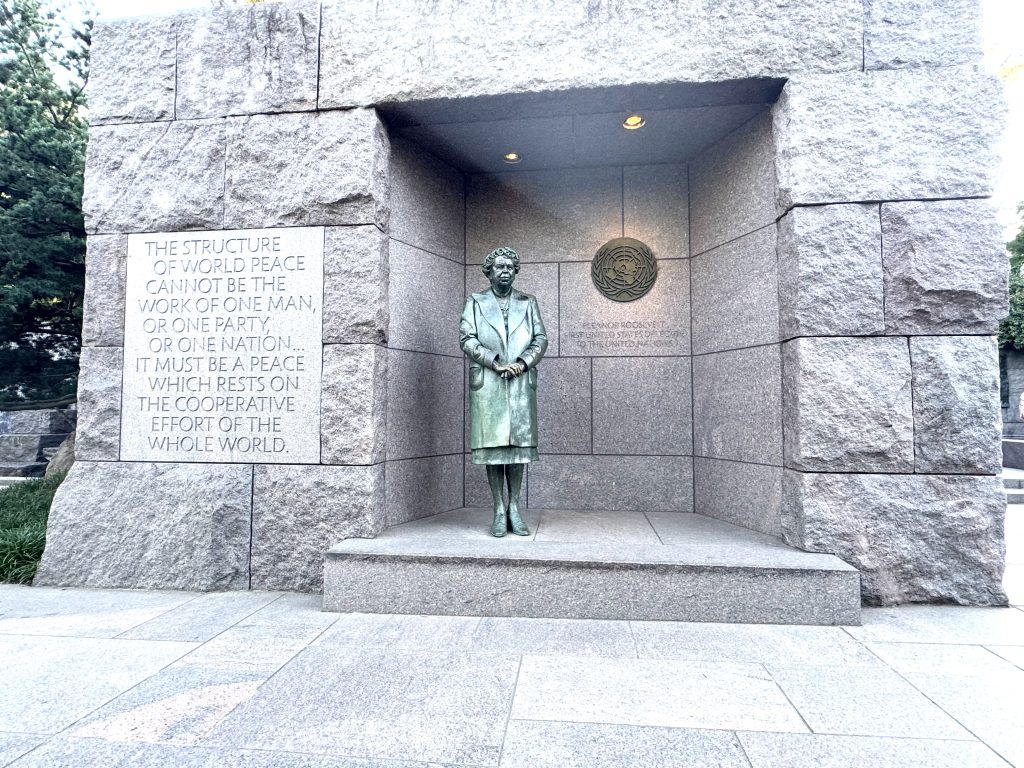
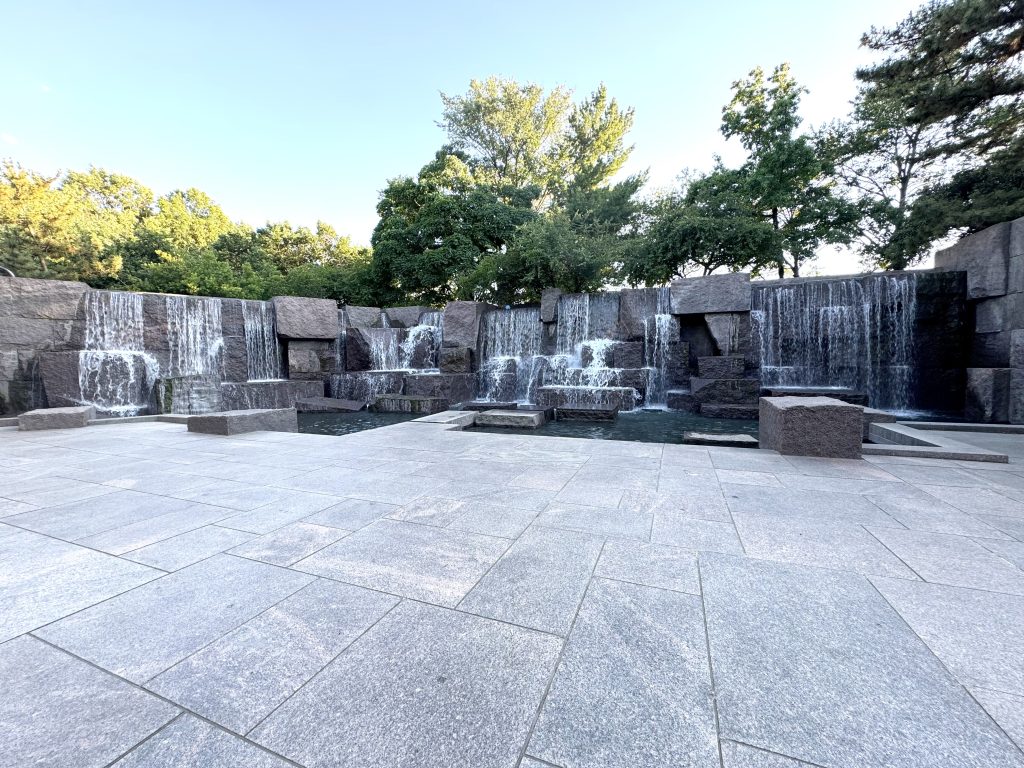
Even though the tour wasn’t exactly what we expected, it did take us somewhere we hadn’t visited during our first trip into the city—the Franklin D. Roosevelt Memorial.
Located along the beautiful Tidal Basin in West Potomac Park, this memorial is spread across several outdoor rooms that tell the story of Roosevelt’s four presidential terms. Walking through it at dusk gave the entire memorial a peaceful, reflective atmosphere that photographs simply can’t capture. Like so many places in Washington, this is one of those locations you really have to experience in person.
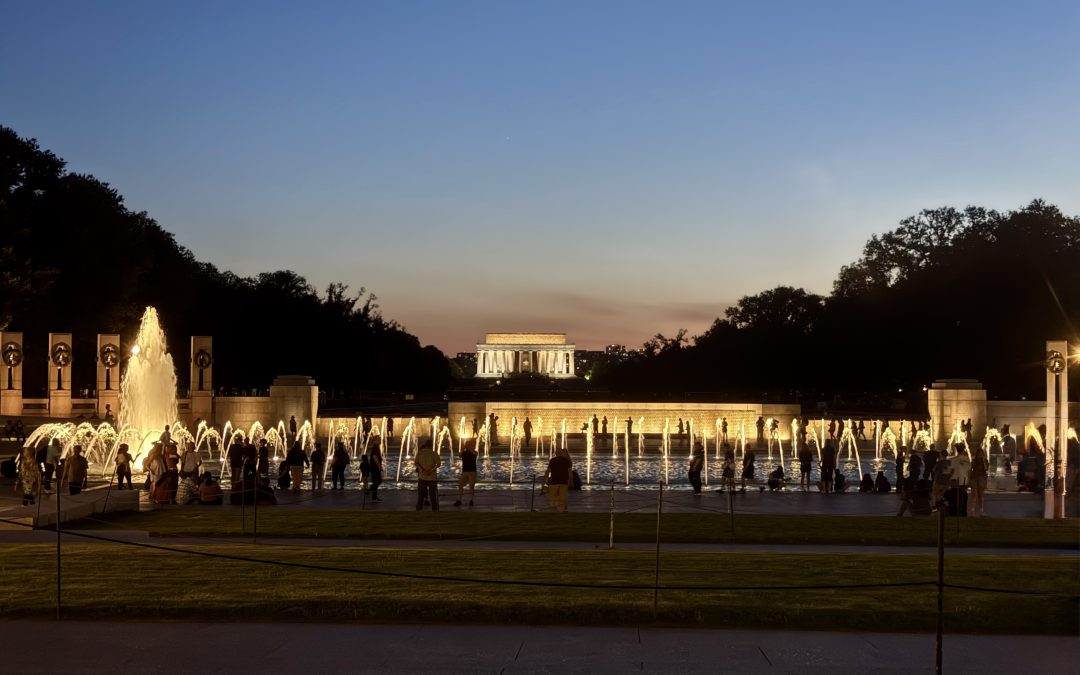
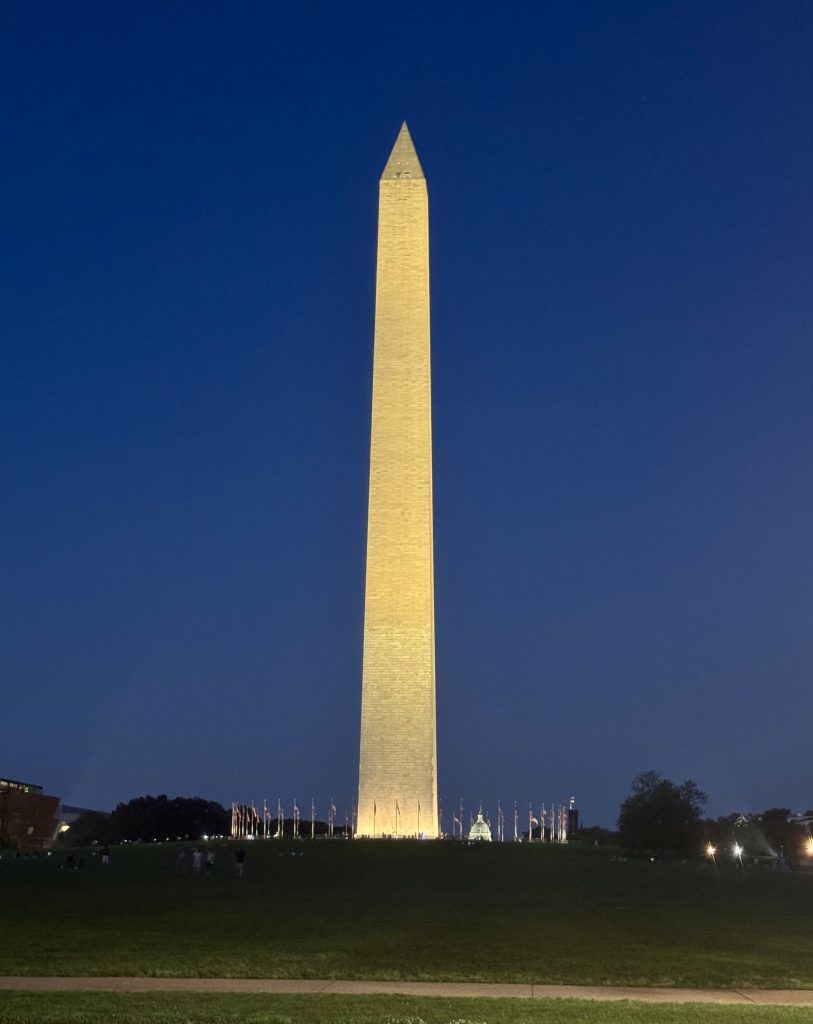
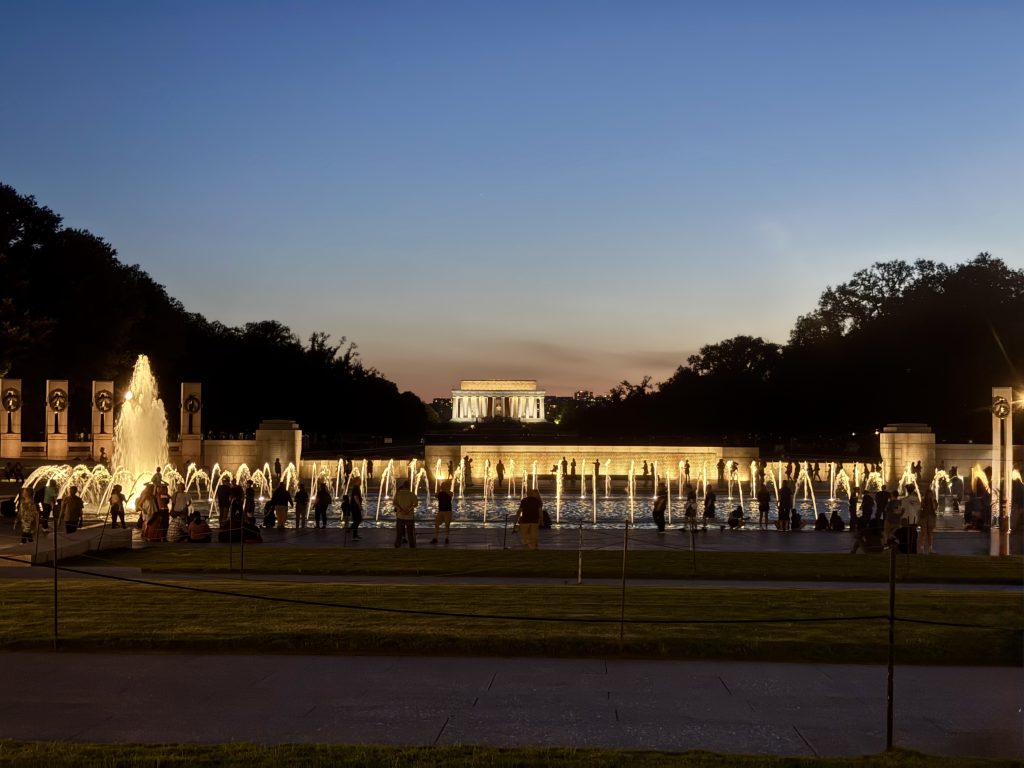
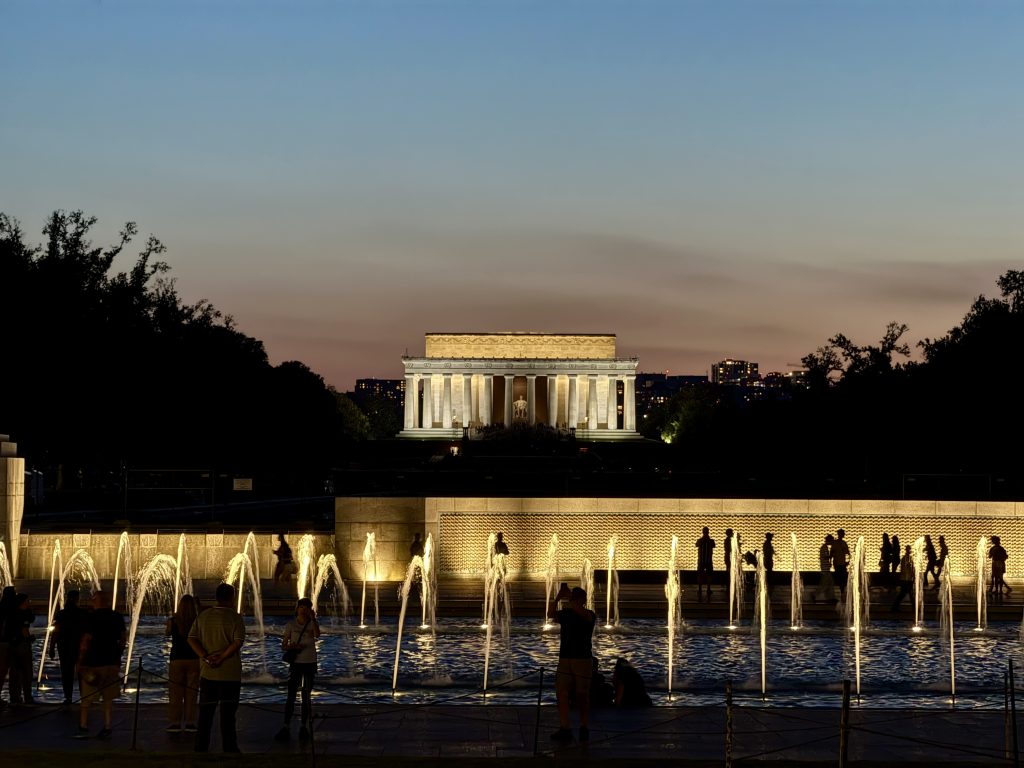
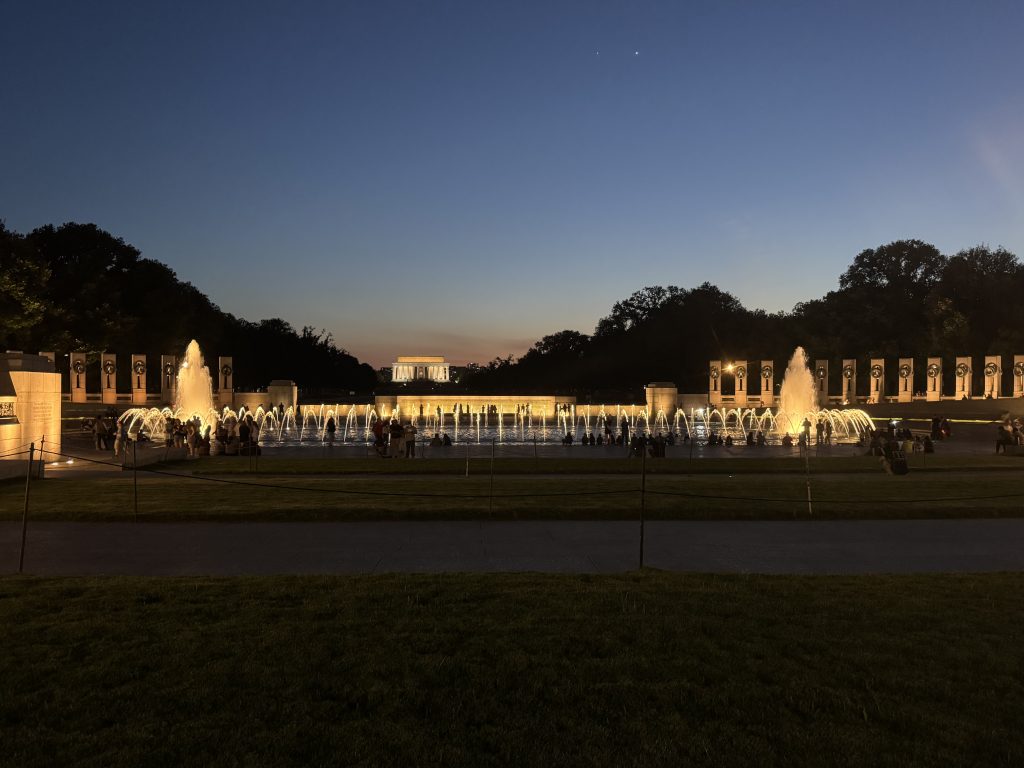
The highlight of the evening, however, was seeing some of Washington’s most iconic landmarks illuminated after dark.
We had already visited both the Washington Monument and the Lincoln Memorial during the day, but seeing them lit against the night sky was something entirely different. The soft lighting, the reflections, and the quiet atmosphere created a completely new experience. It was one of those moments where you find yourself standing still, taking it all in, and realizing that no camera can truly recreate what your eyes are seeing.
If you’re planning a trip to Washington, D.C., I’d absolutely recommend seeing the monuments both during the day and after sunset. They each have their own personality, and experiencing both is well worth the time.
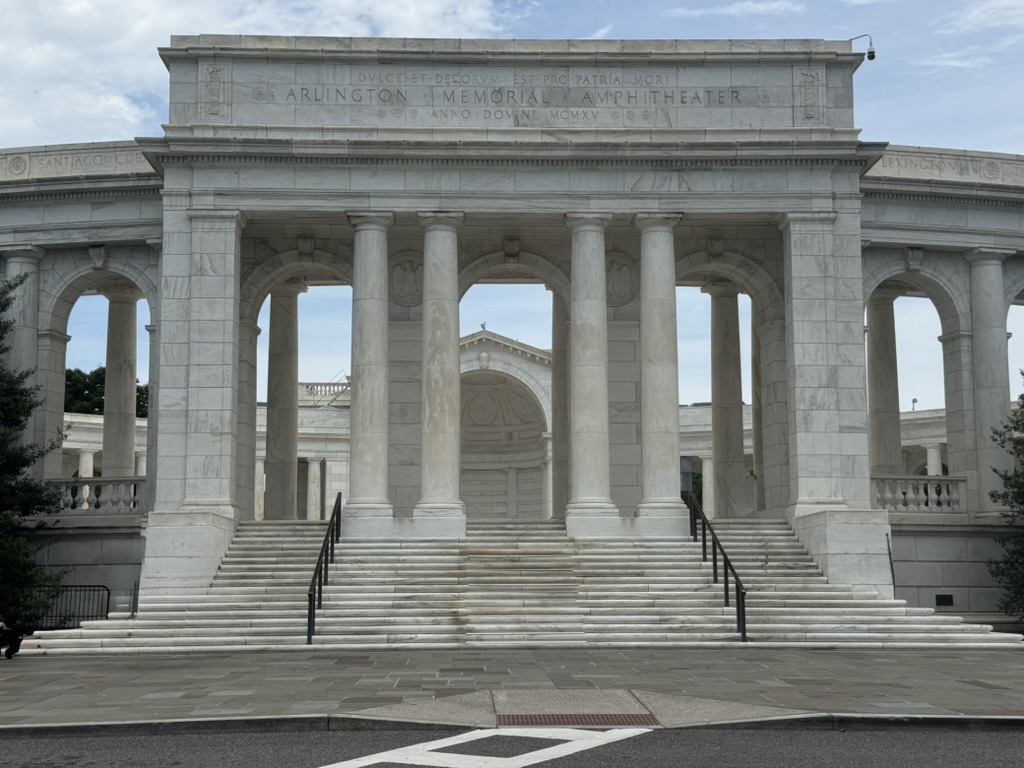
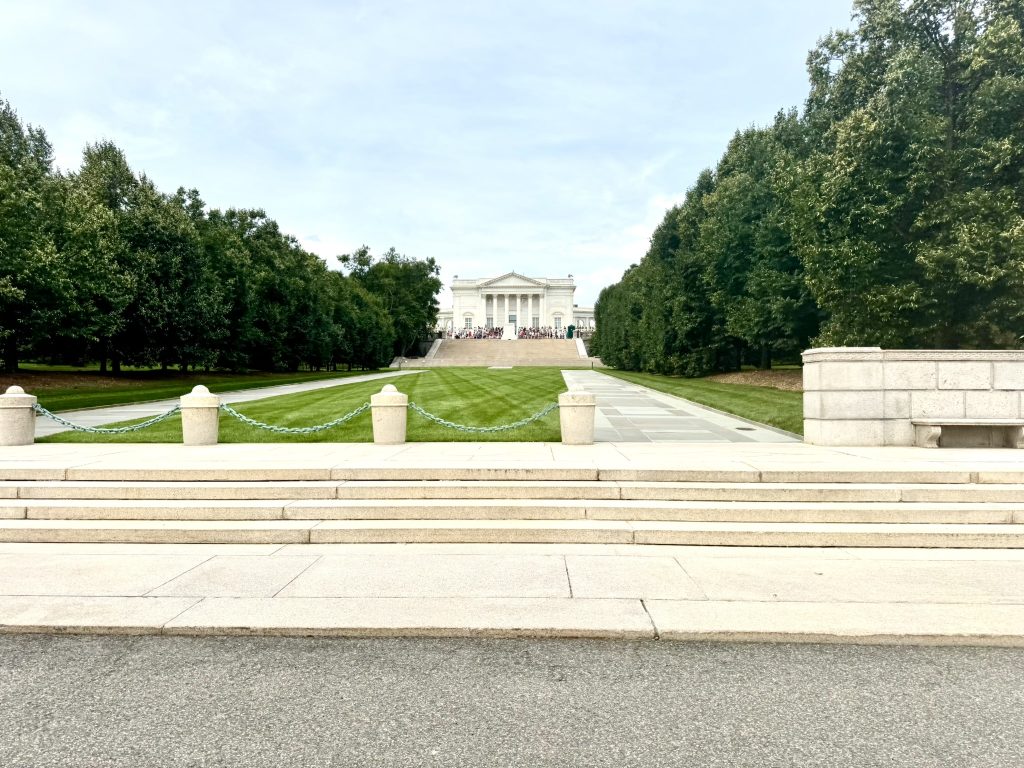
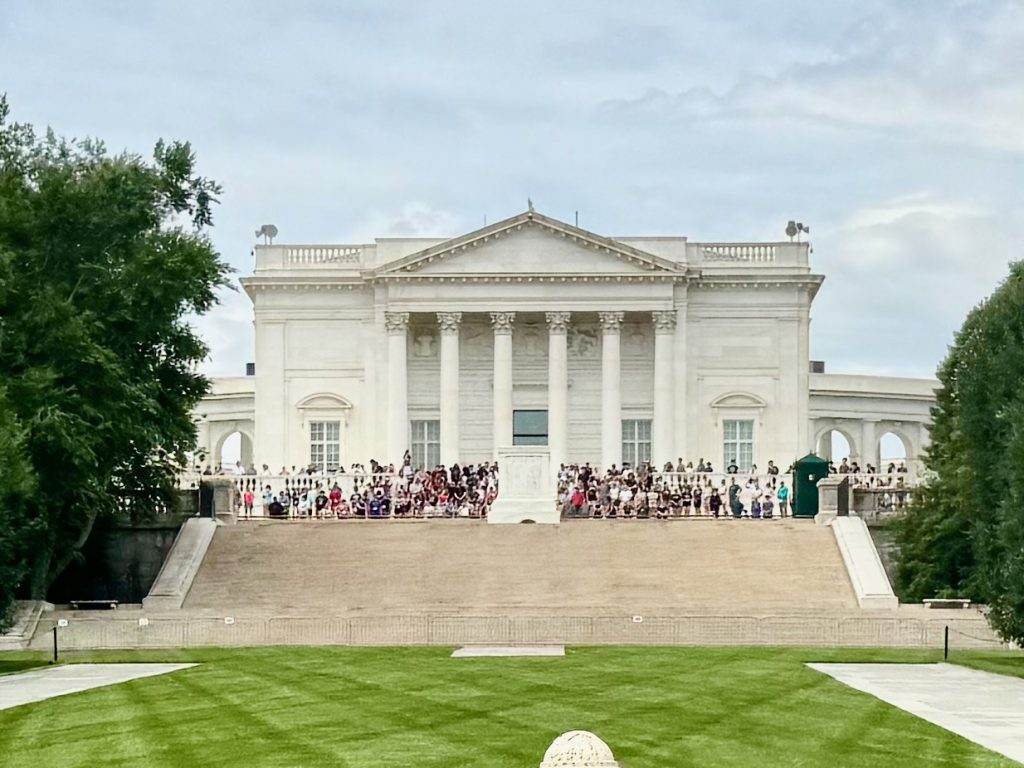
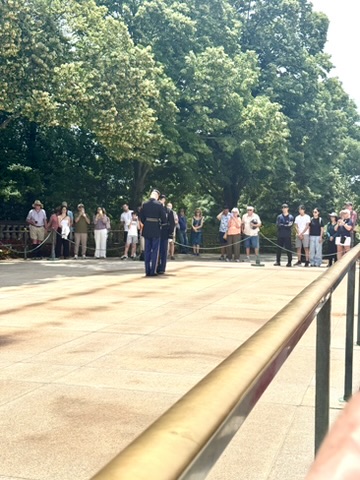
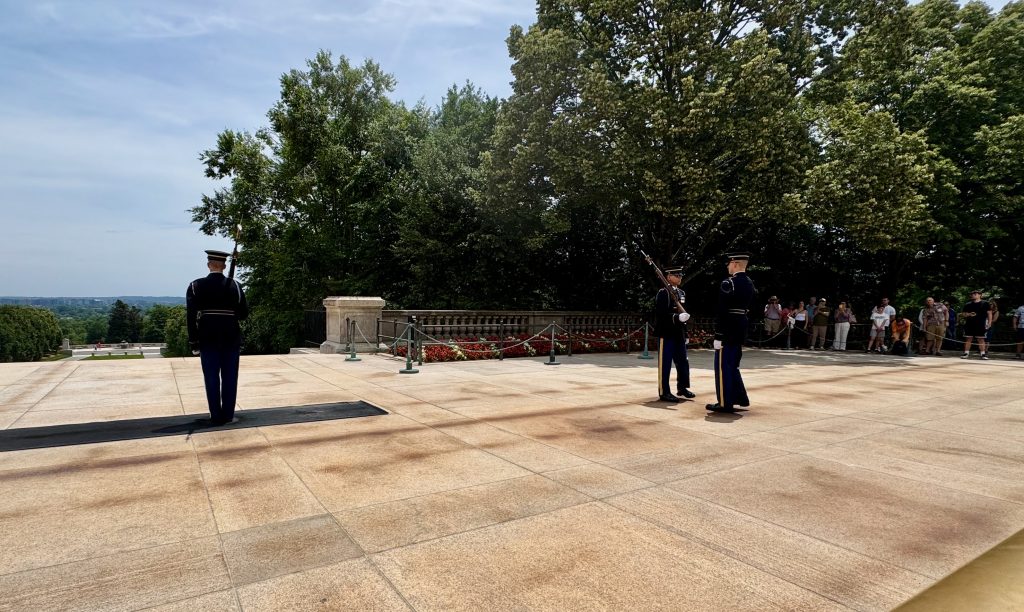
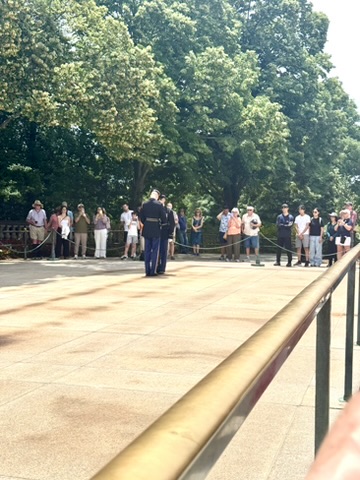
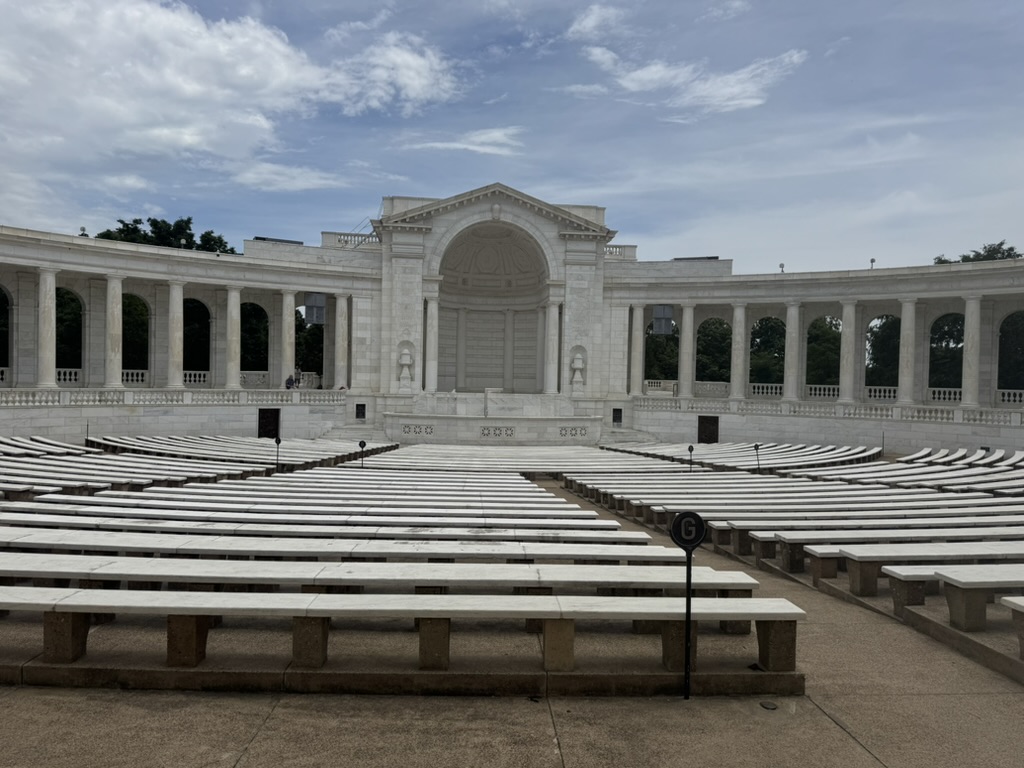
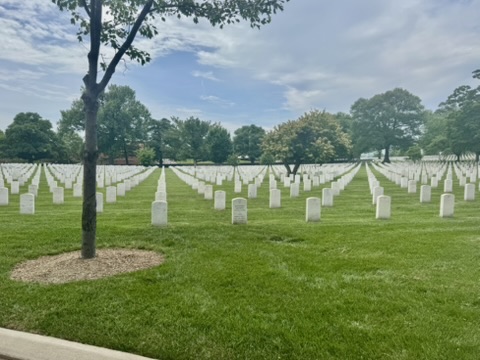
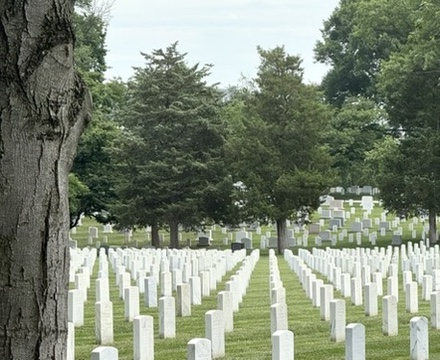
As we found a place to stand, groups of students from visiting schools participated in the ceremony. Some places leave an impression that stays with you long after you’ve gone home.
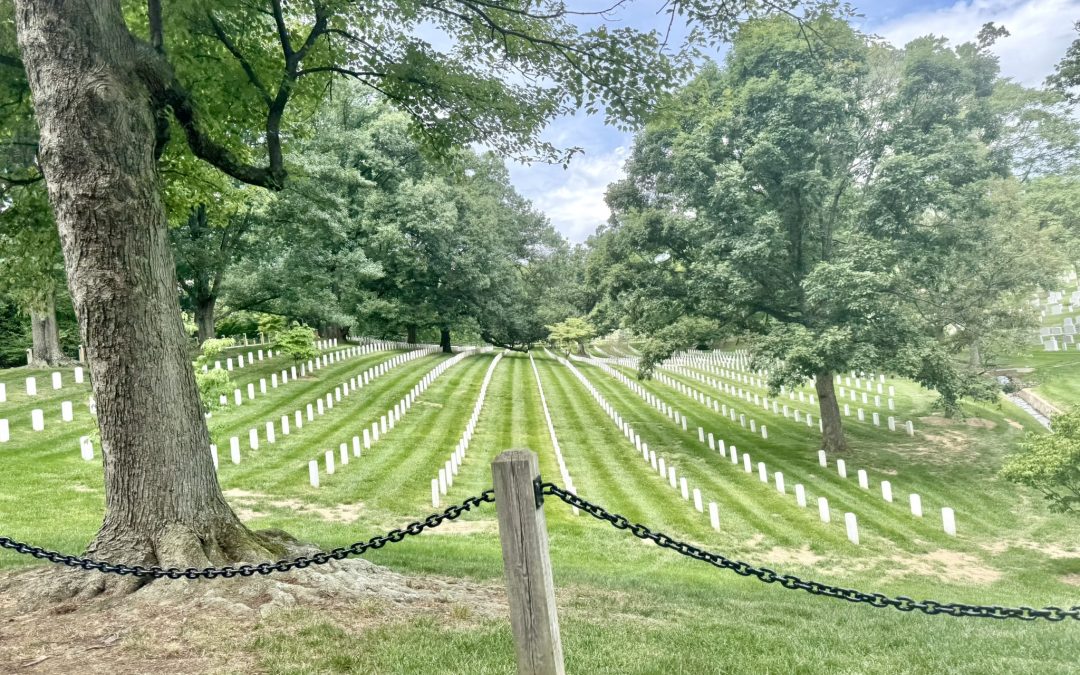
For us, Arlington National Cemetery was one of those places.
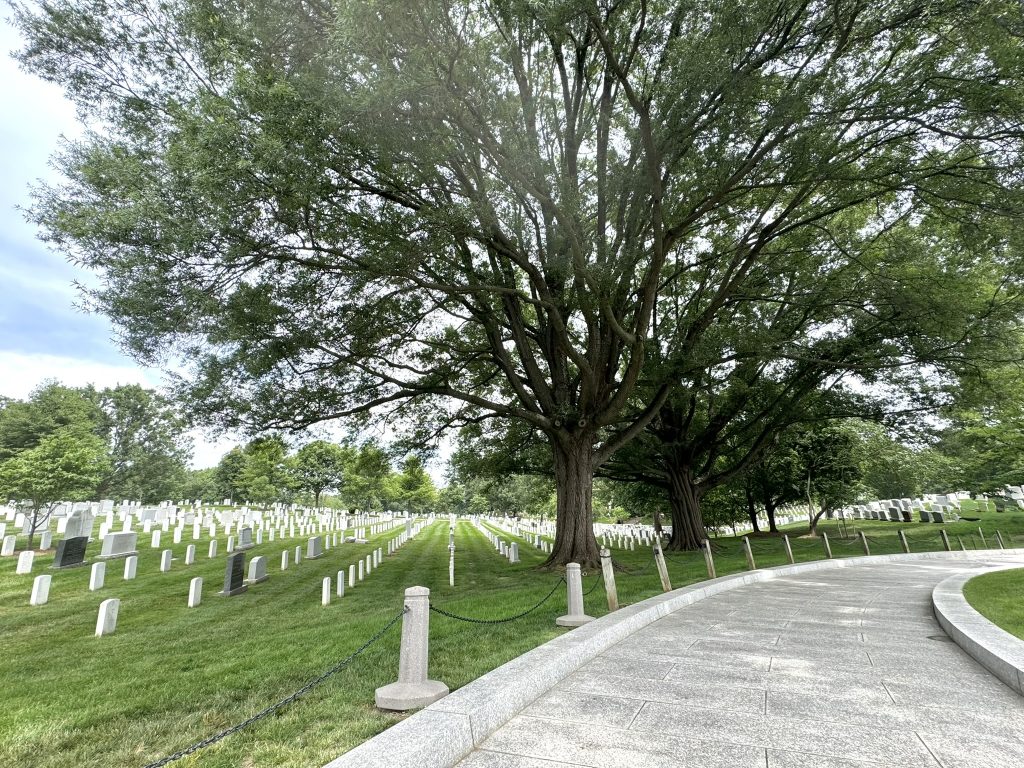
If you’re planning a visit to Washington, D.C., I cannot recommend this experience enough. No photograph or video can truly prepare you for what you’ll feel while standing on those grounds.
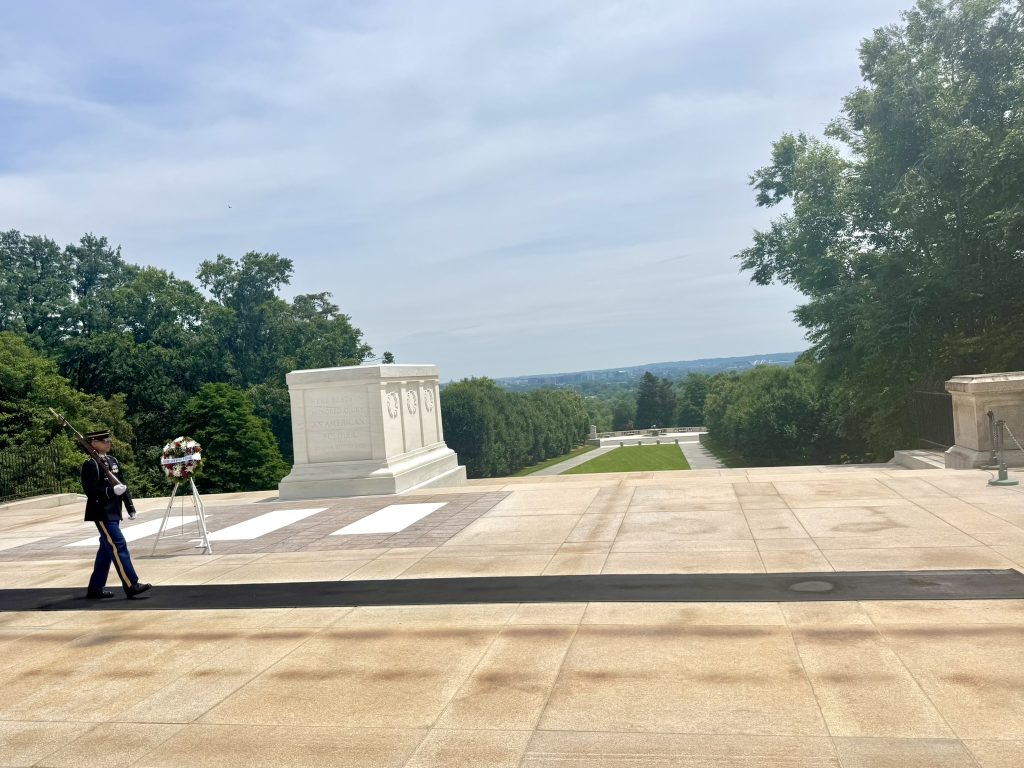
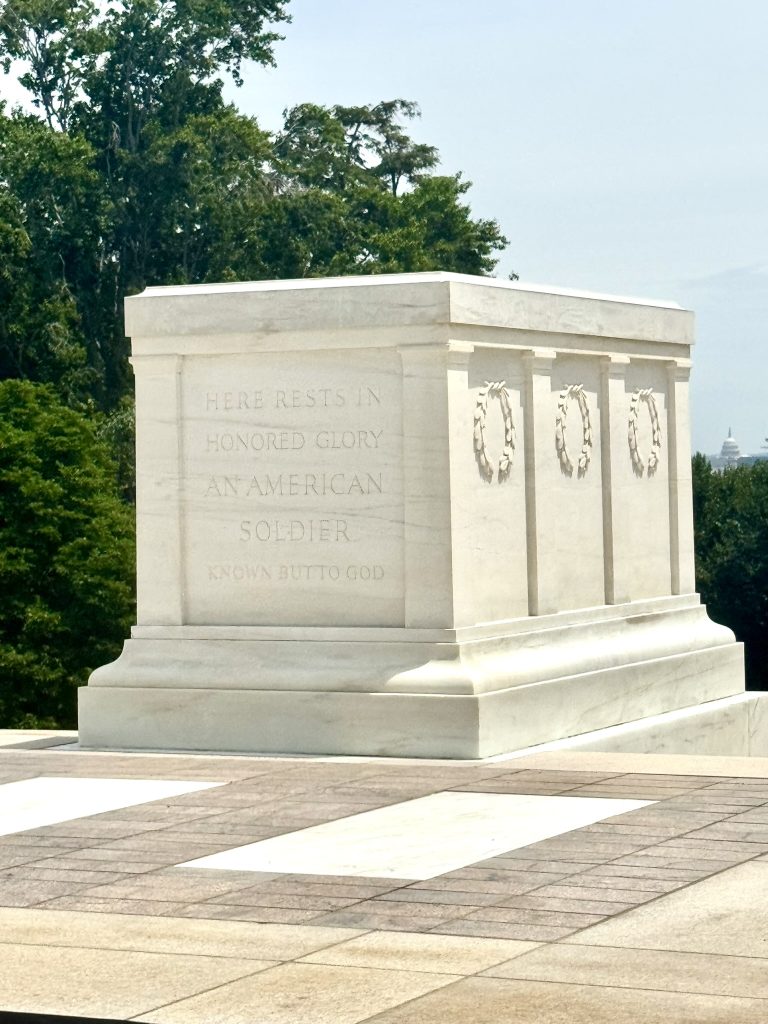
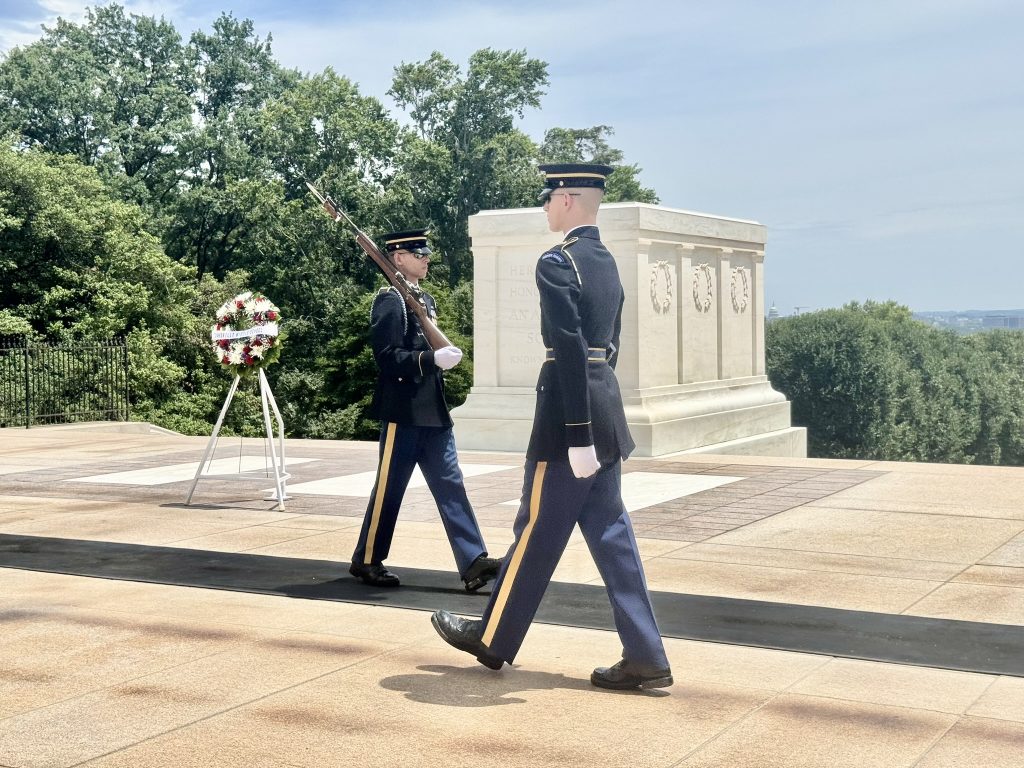
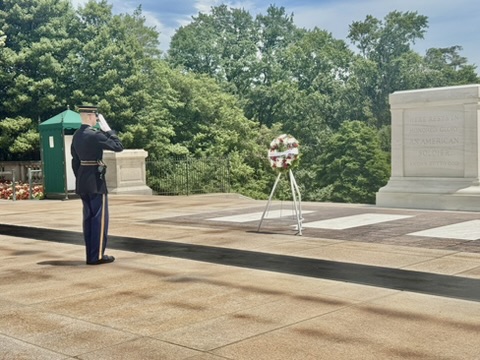
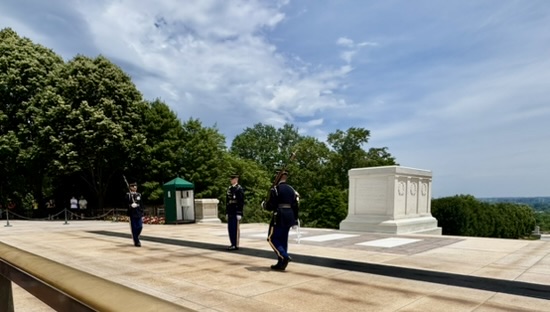
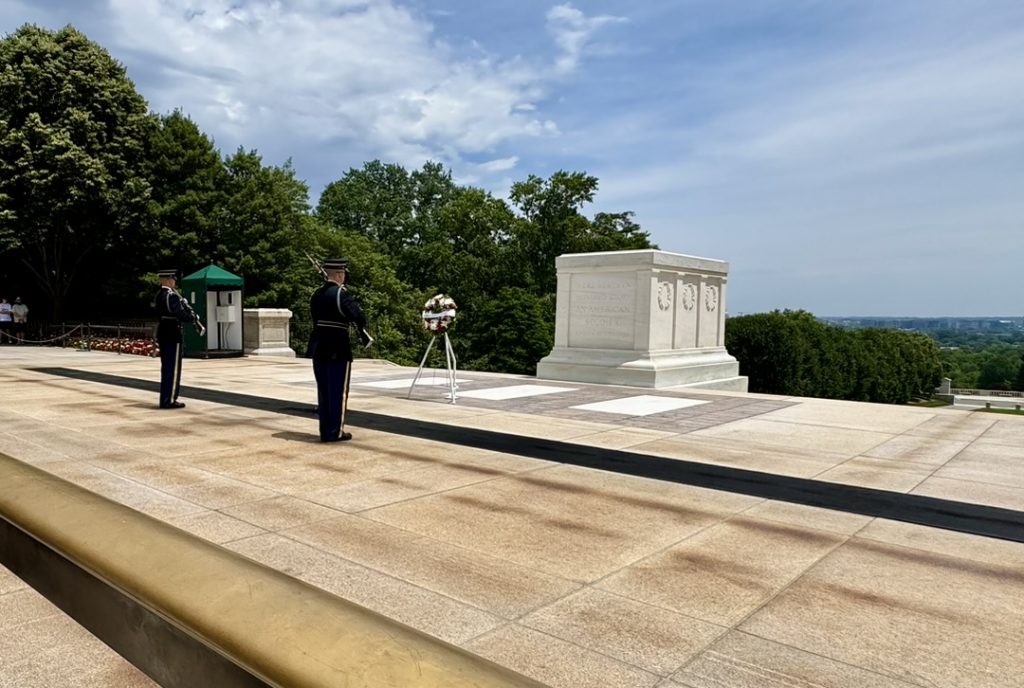
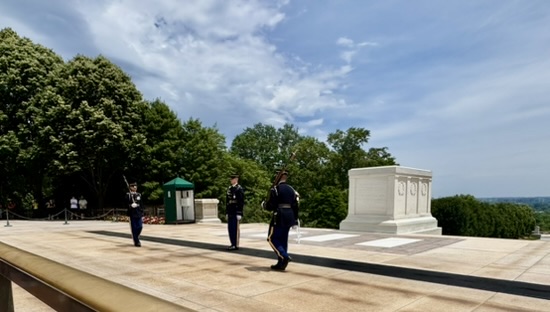
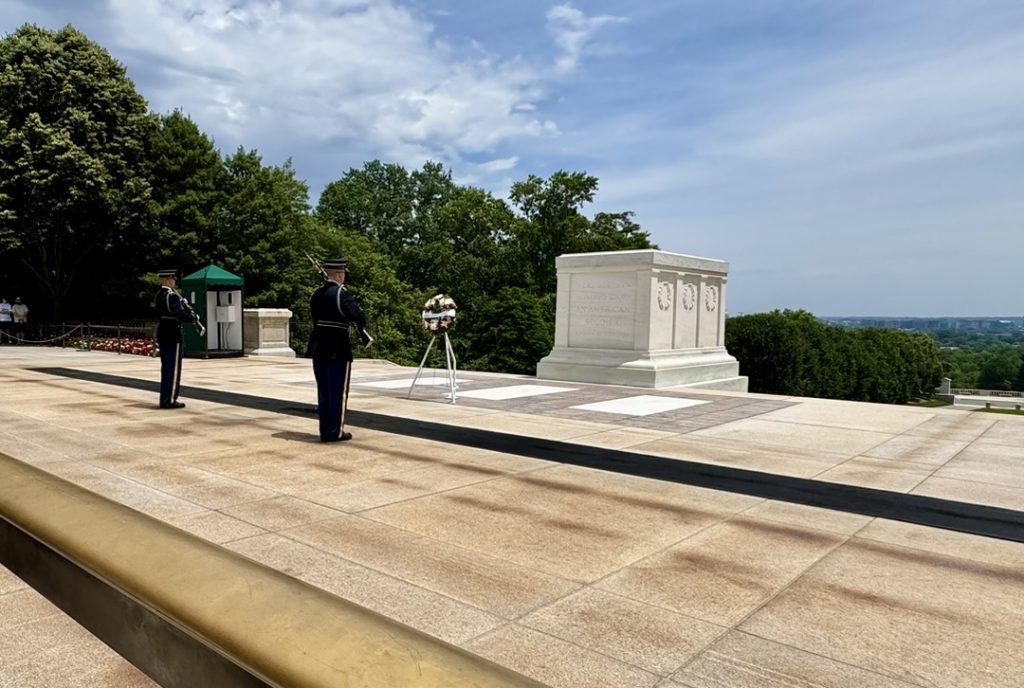
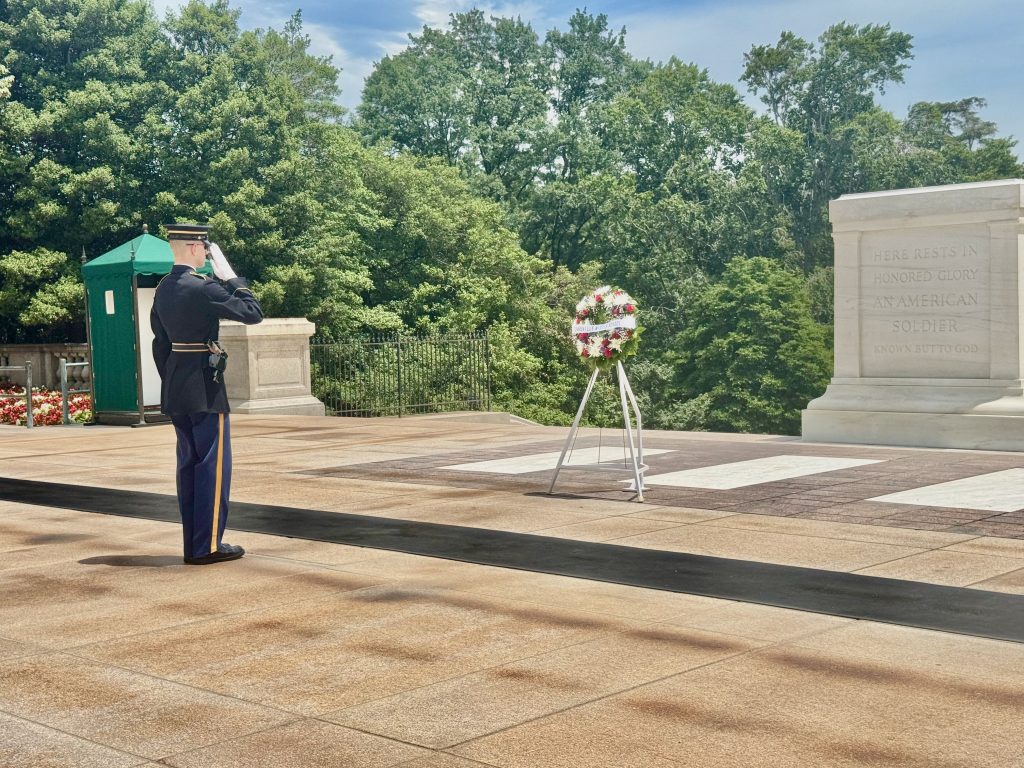
When we arrived, we learned that a special wreath-laying ceremony was taking place before the Changing of the Guard at the Tomb of the Unknown Soldier. It wasn’t something we had planned to see, making it feel even more meaningful.
They carefully carried each wreath alongside the guards before presenting it with the dignity and respect the occasion deserved. One by one, the wreaths were placed in front of the Tomb, each serving as a quiet reminder of the sacrifices made by so many.
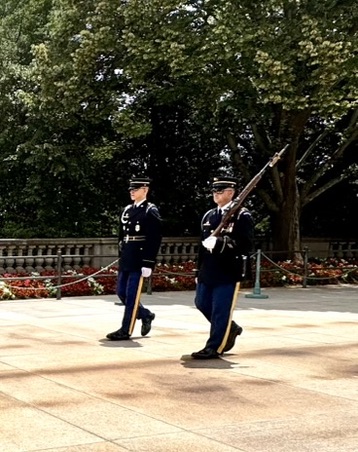
When the ceremony concluded, the crowd became almost completely silent as everyone turned their attention to the Changing of the Guard.
It’s difficult to put into words what we felt while watching.
The precision of every movement, every step, every pause is something you have to witness for yourself. There is an incredible sense of honor, discipline, and reverence that surrounds the ceremony. For those few minutes, it seemed as though time simply stood still.
It was one of the most moving moments of our entire trip to Washington.
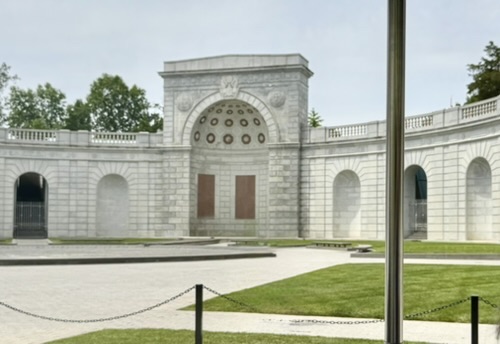
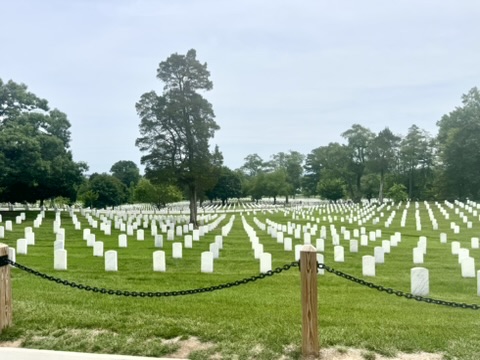
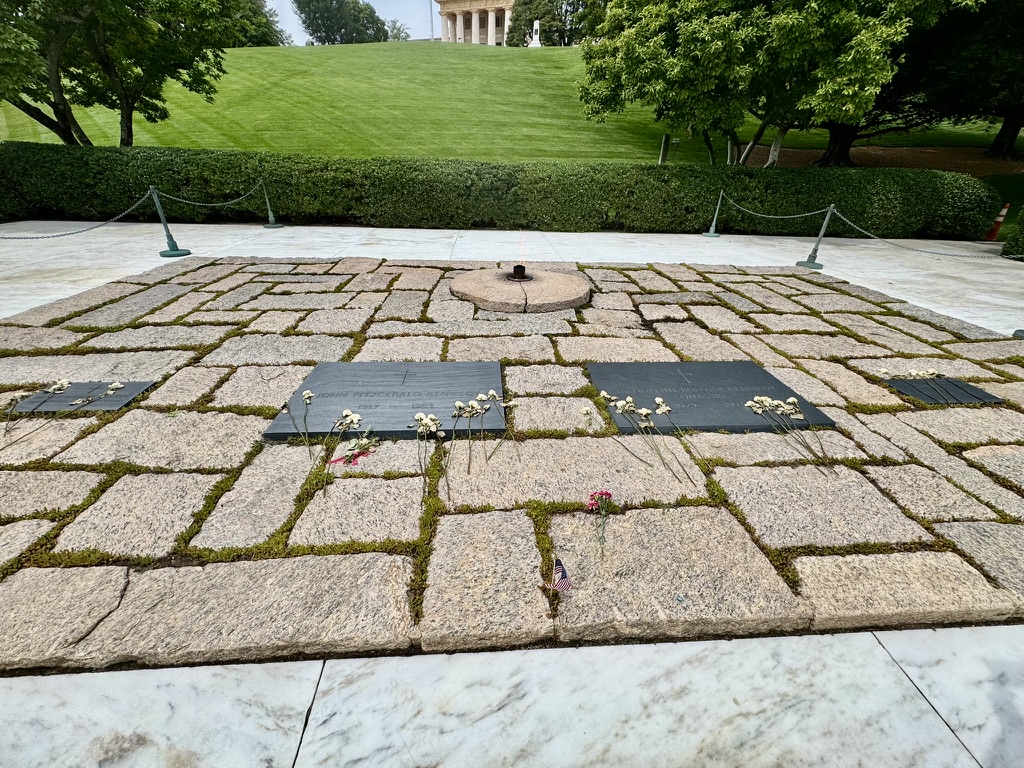
Afterward, we boarded the Arlington National Cemetery Tours trolley to continue to explore the rest of the cemetery. We highly recommend taking the hop-on, hop-off tour. Not only does it save quite a bit of walking, but the narration shares the stories behind many of the notable men and women laid to rest there, giving you a much deeper appreciation for the history that surrounds you.
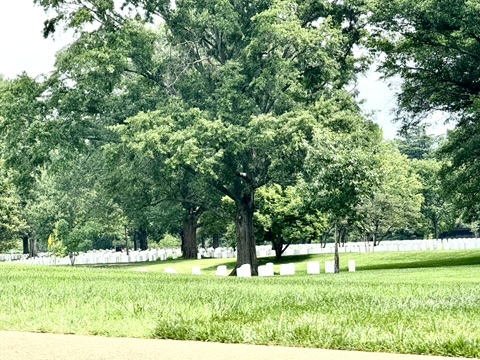
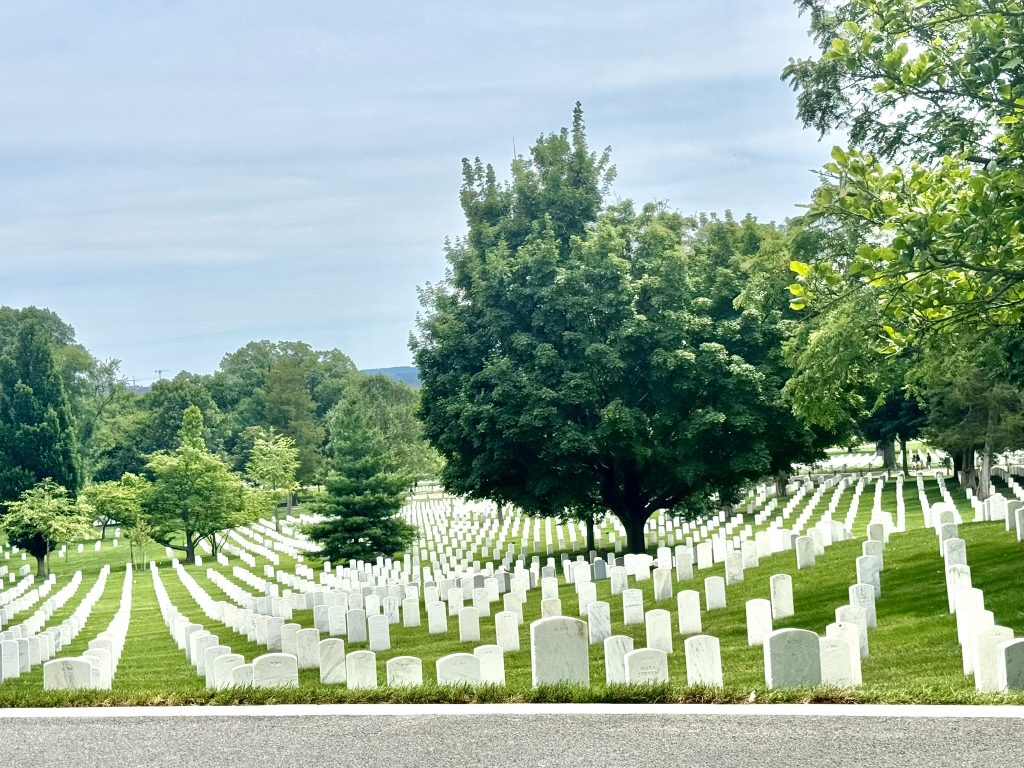
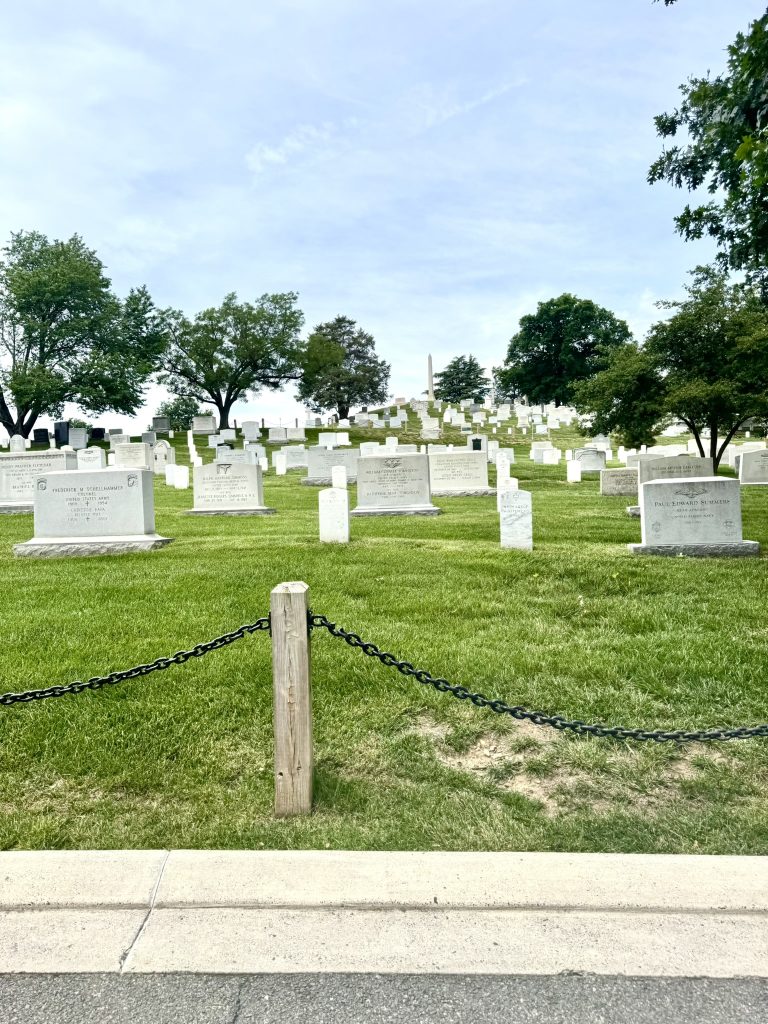
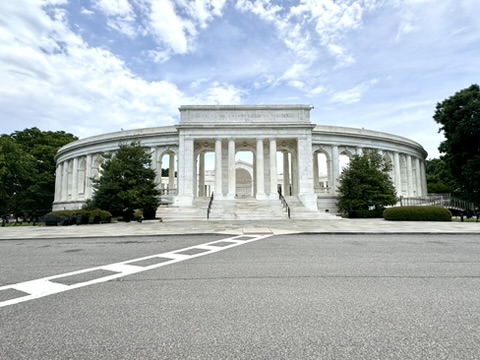
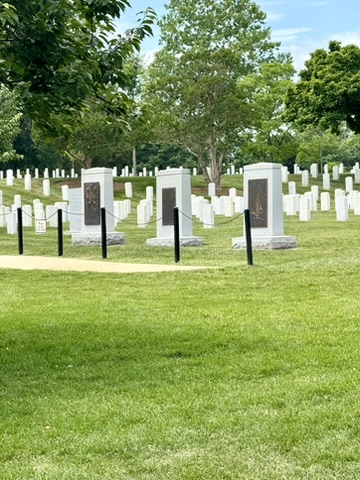
The photos below capture just a small glimpse of our visit, but they can never fully convey the respect, gratitude, and emotion we experienced while walking through this remarkable place.
When we planned our Washington, D.C. trip, we knew we’d spend plenty of time walking. What we didn’t realize was just how much history we would pack into a single day.
By the time we climbed back onto the Metro that evening, our watches showed nearly ten miles of walking. Our feet were tired, our camera batteries were nearly dead, and we couldn’t stop talking about everything we had seen.
For two people who had never visited our nation’s capital, it was one of those days that reminded us exactly why we chose this lifestyle.
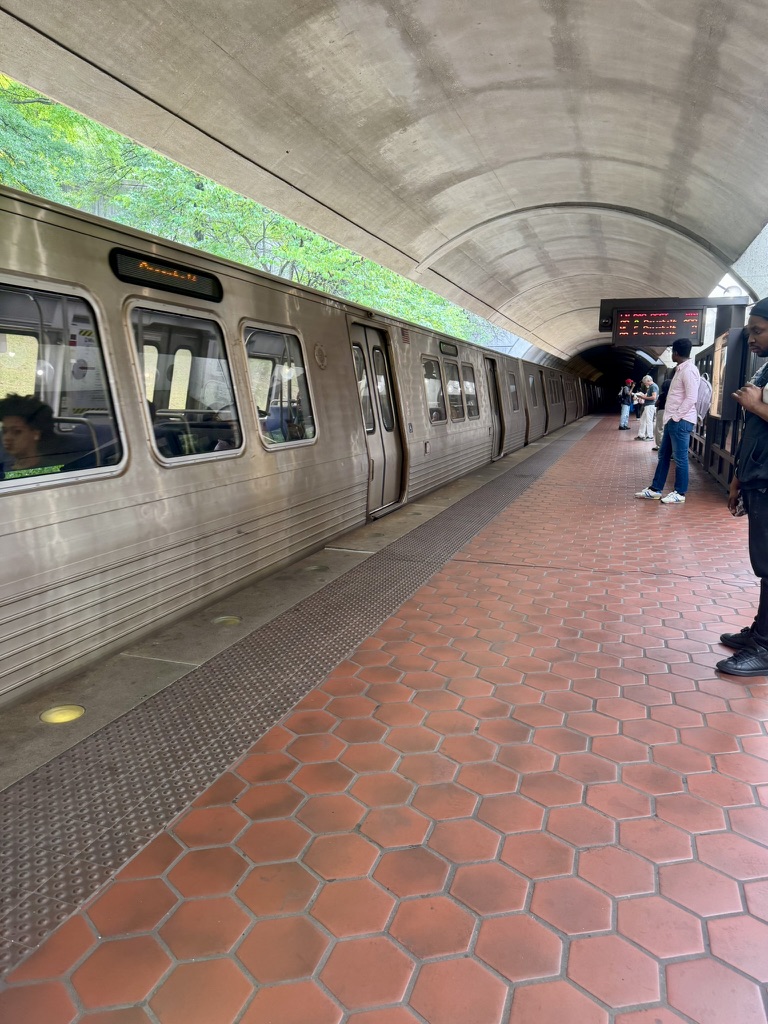
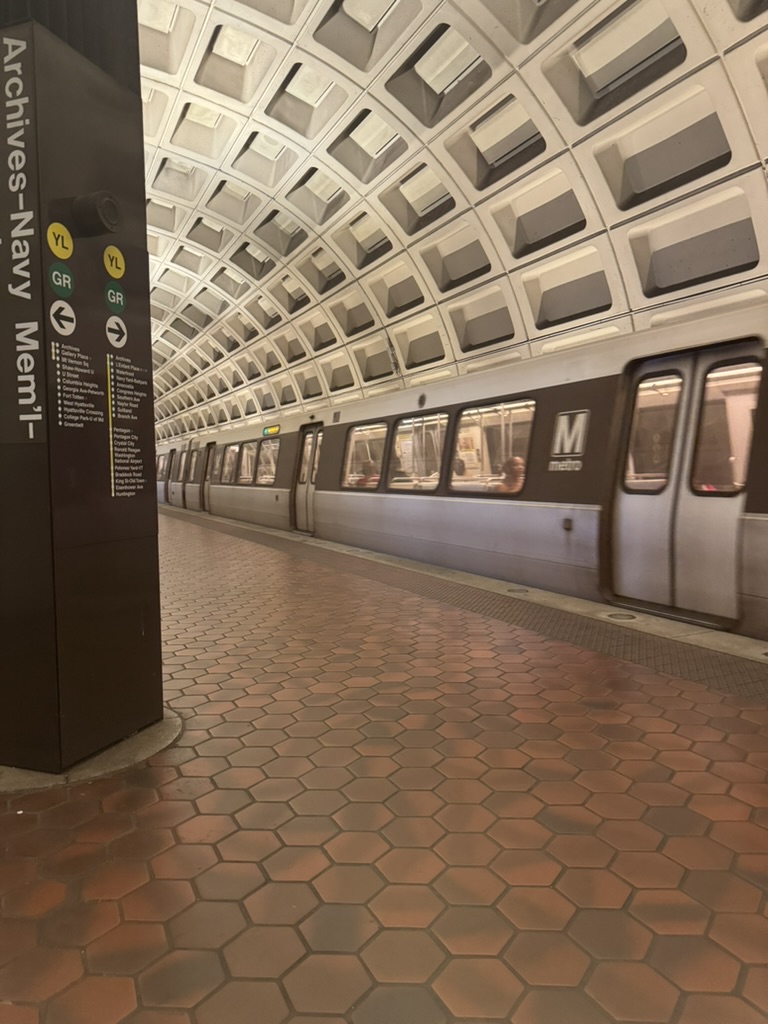
Learning the Metro
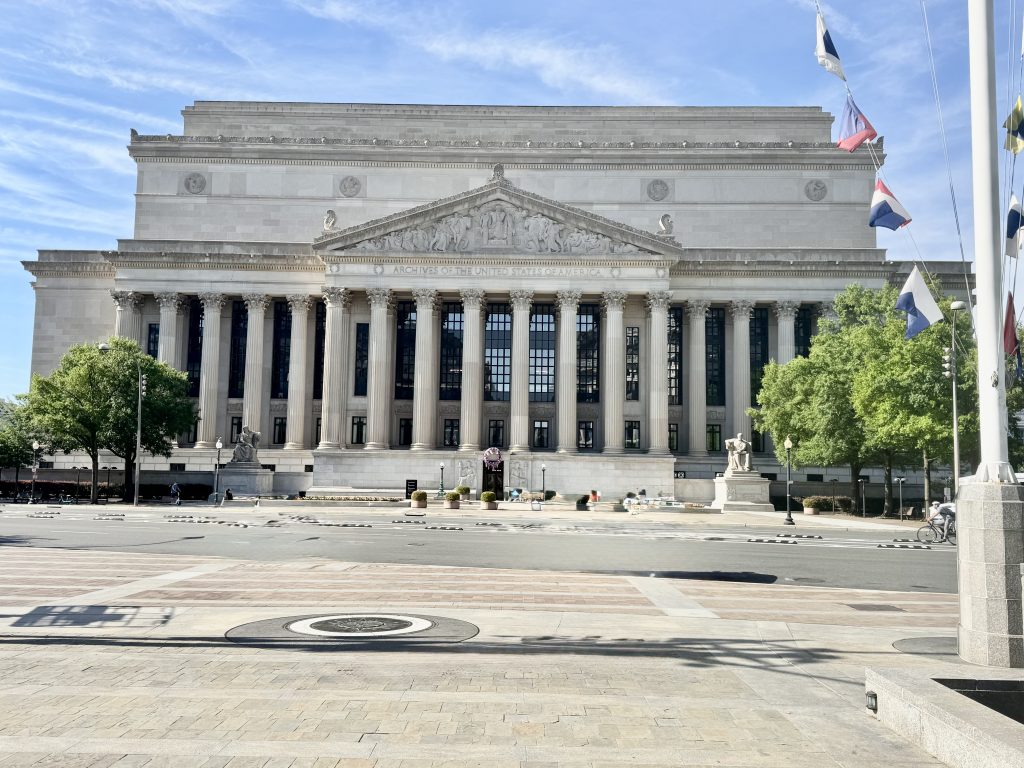
Our adventure began by taking the campground shuttle to the city bus before transferring to the Metro. We exited at Archives–Navy Memorial Station and started walking down Pennsylvania Avenue.
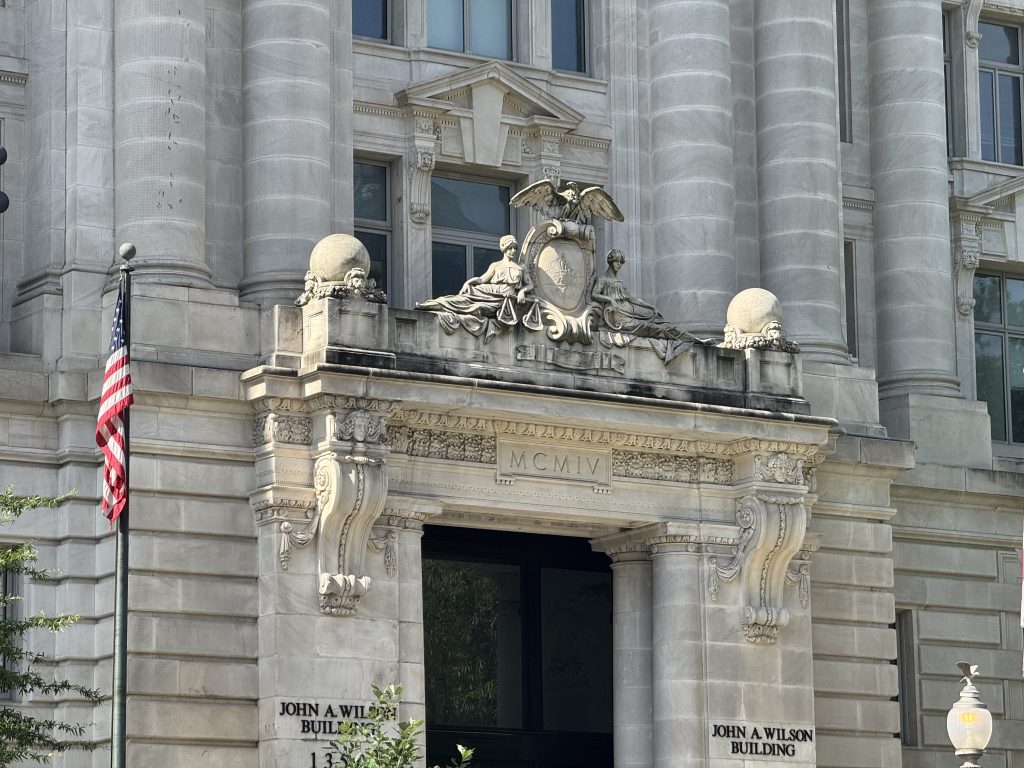
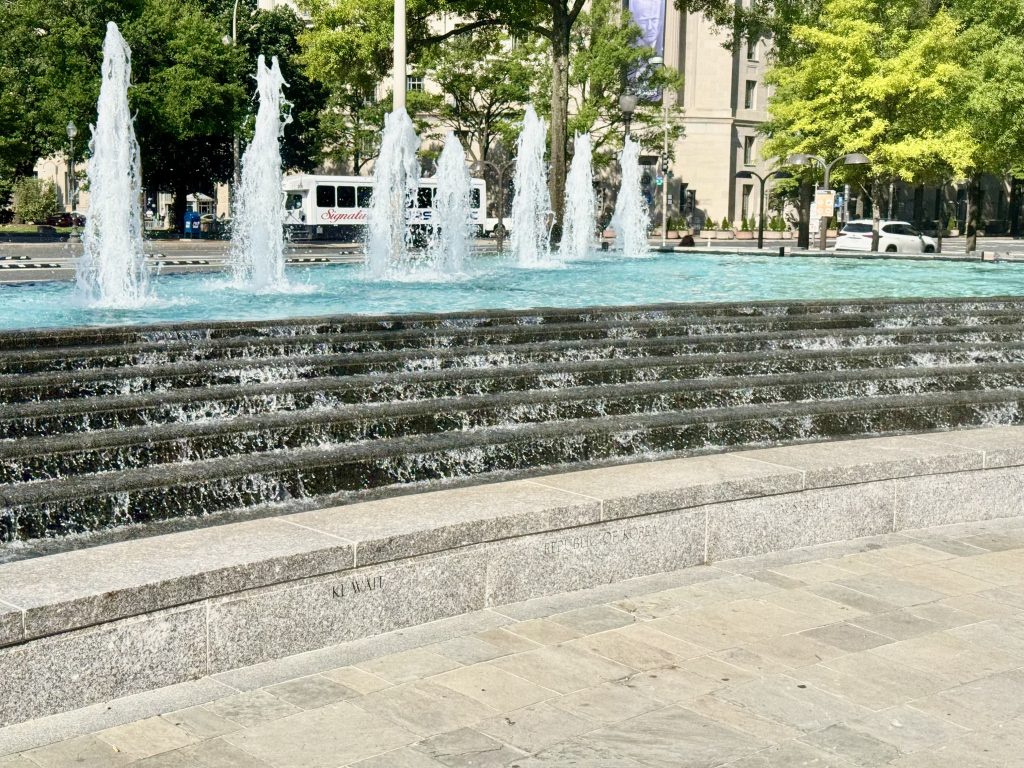
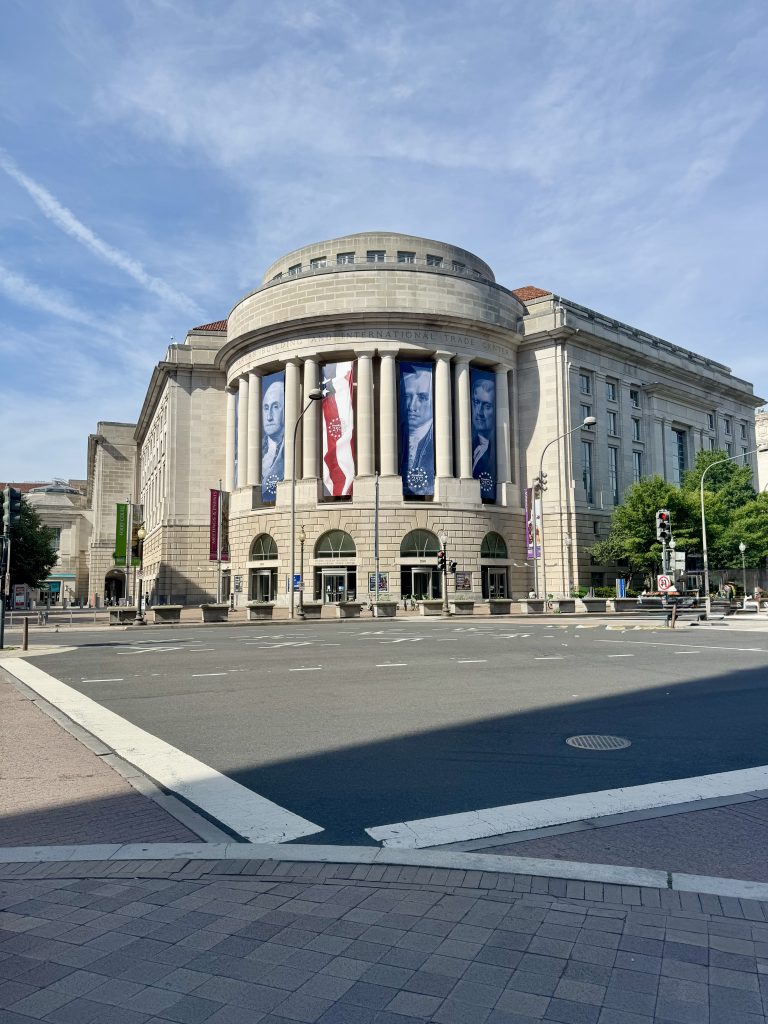
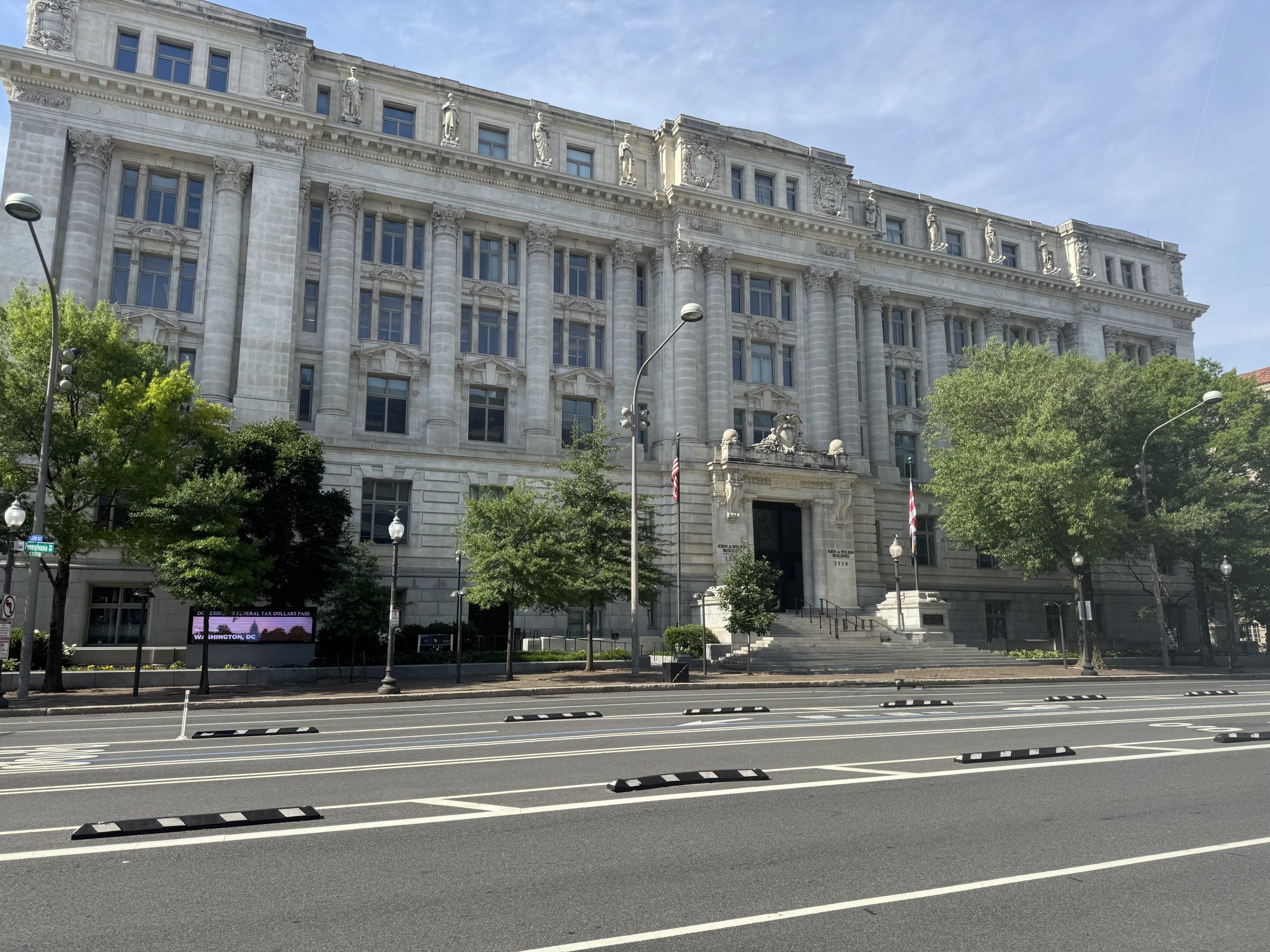
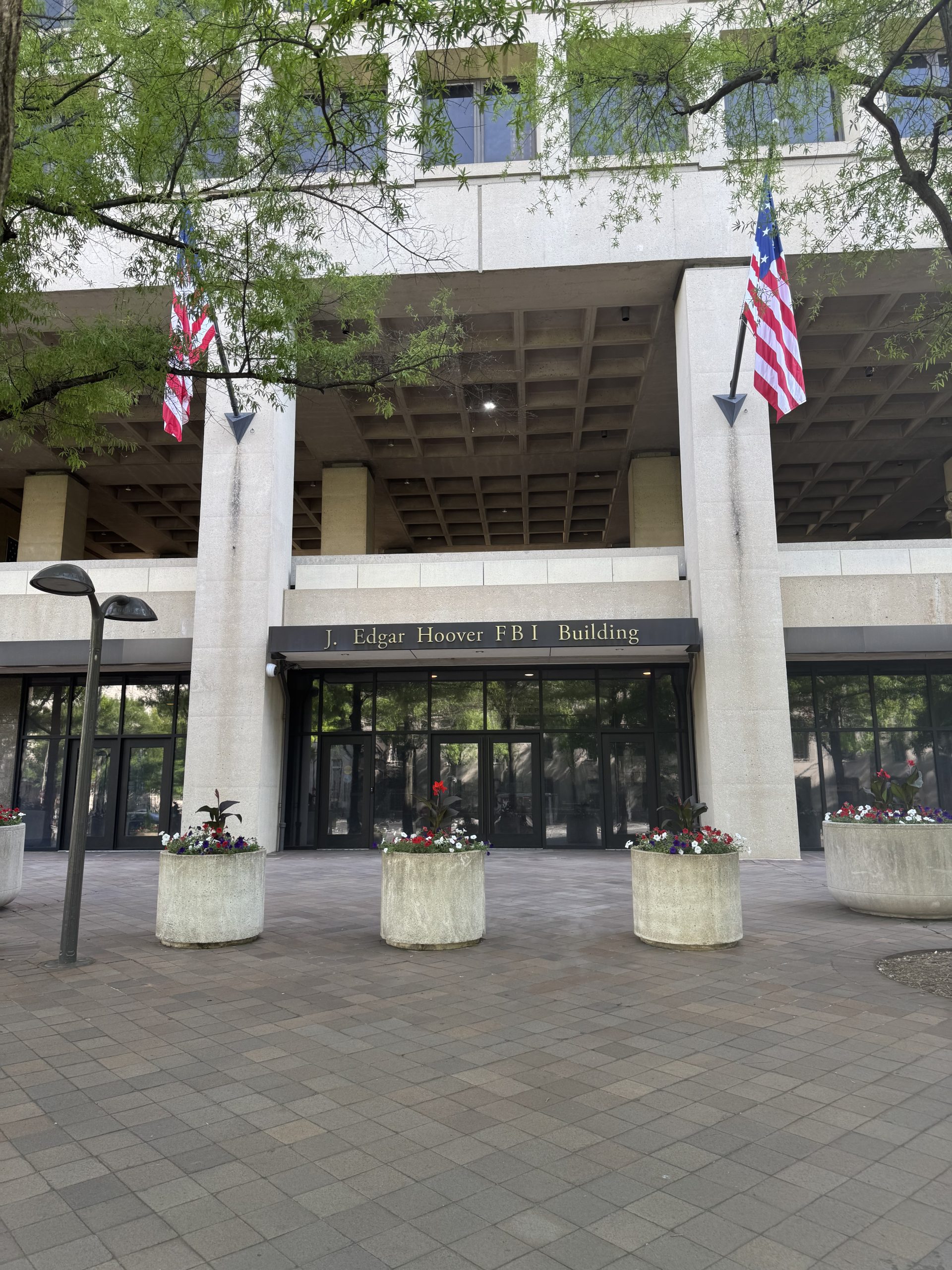
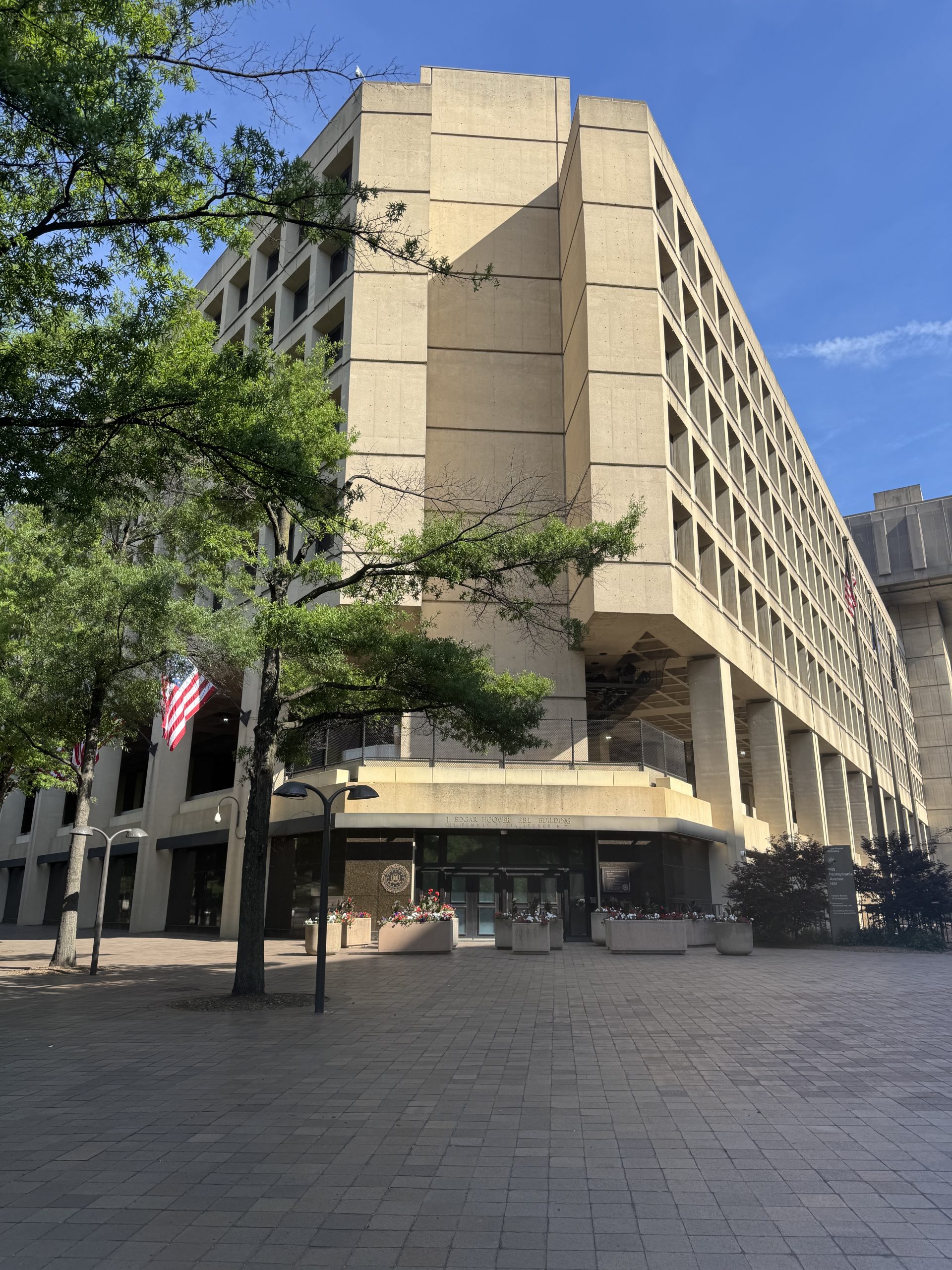
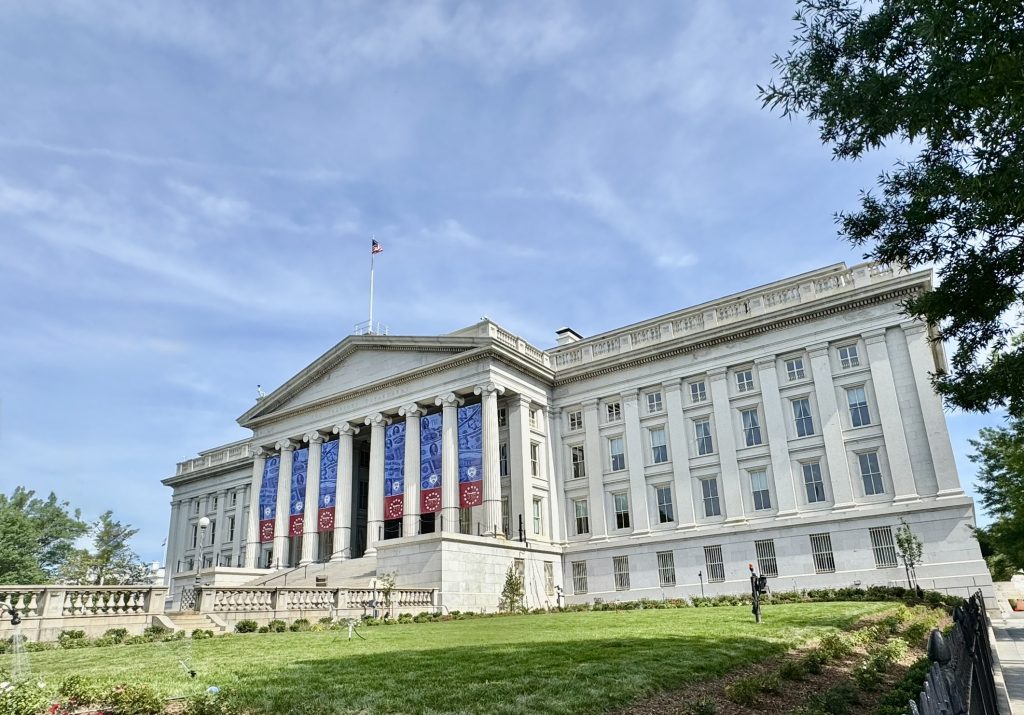
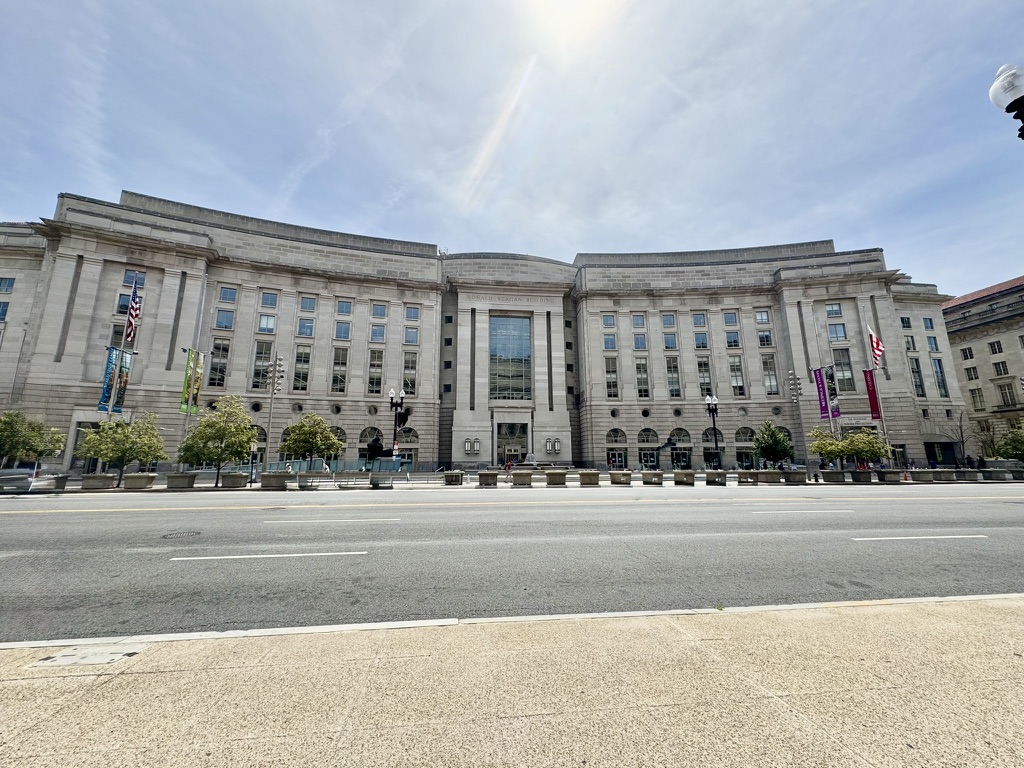
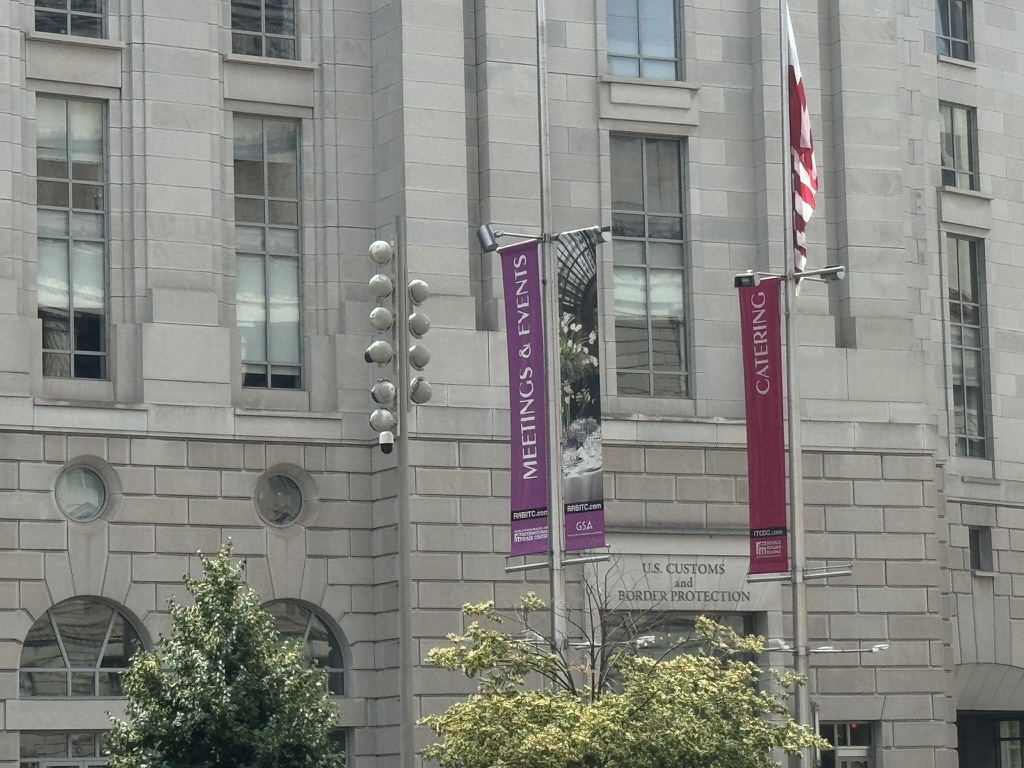
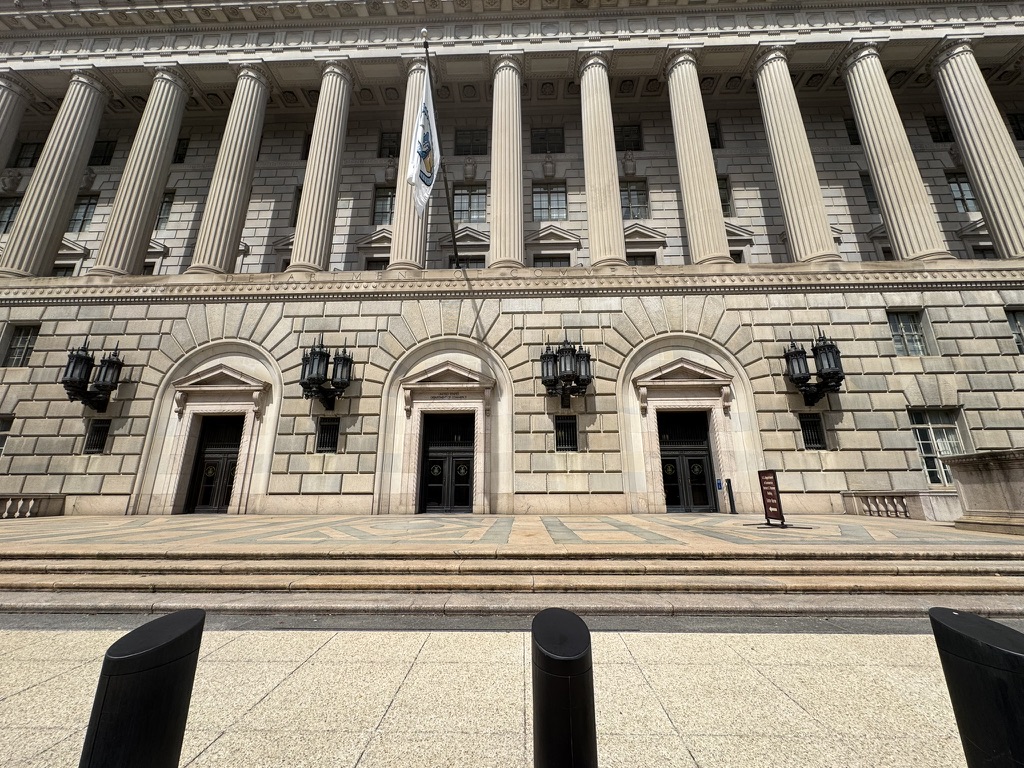
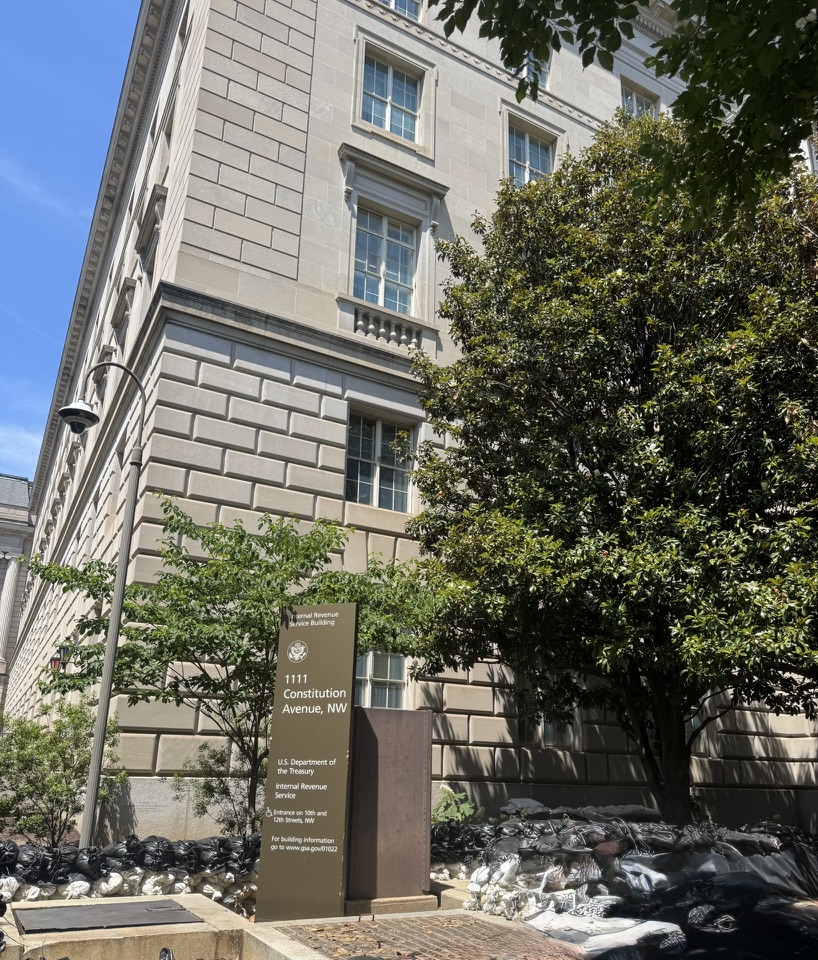
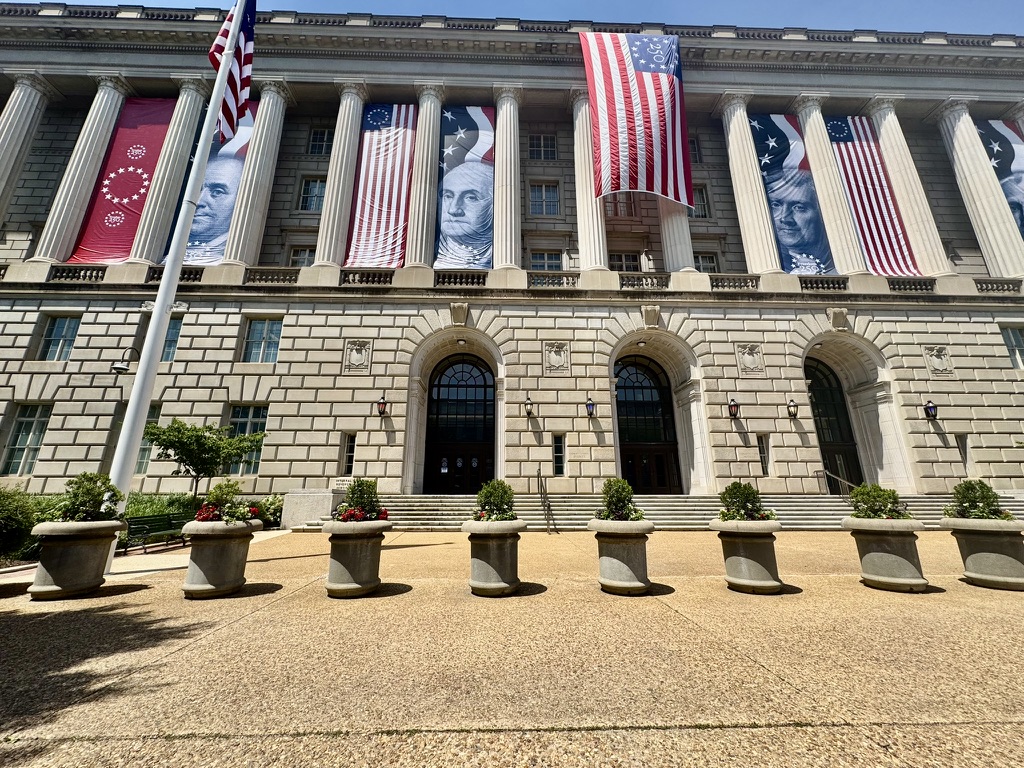
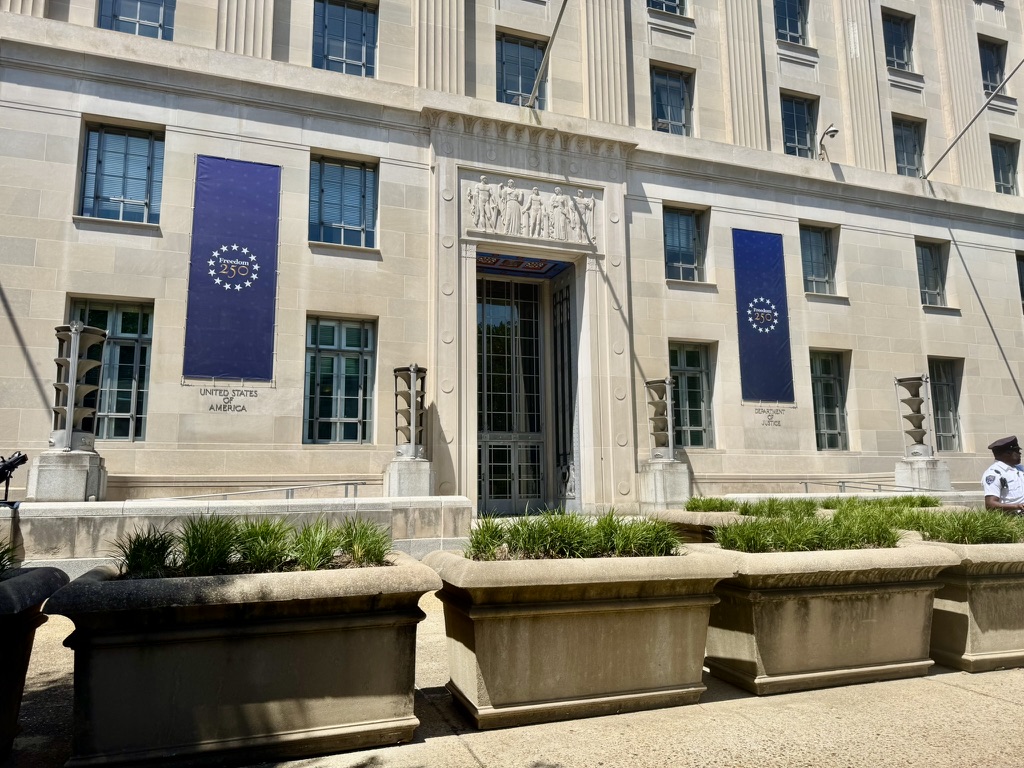
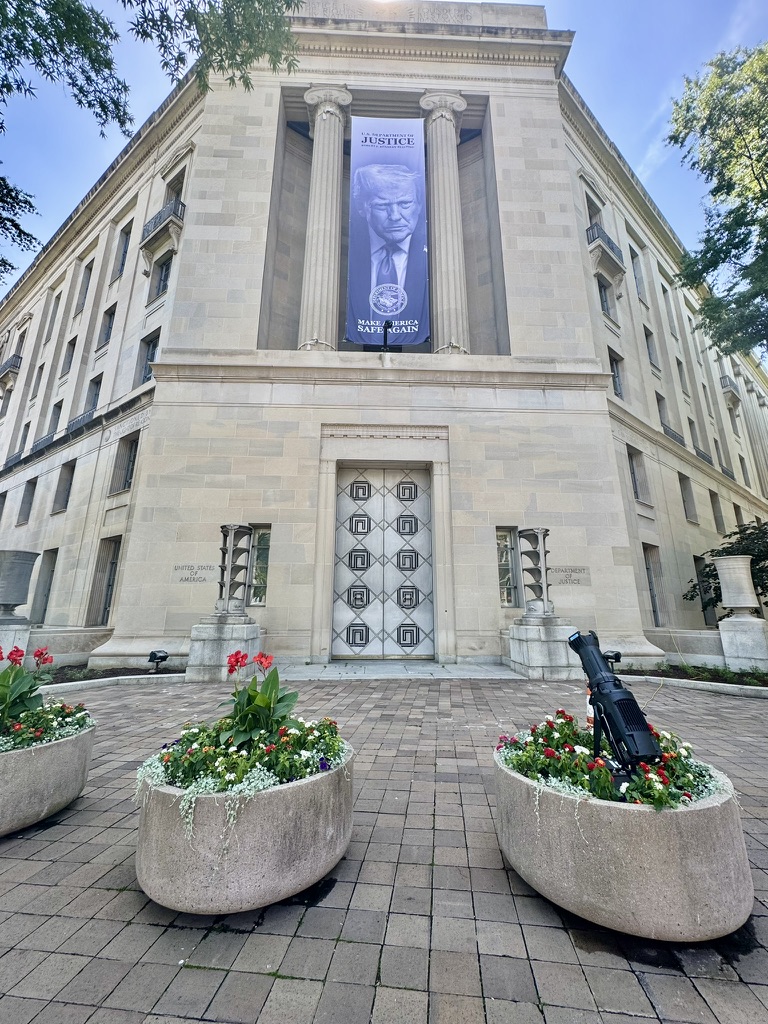
Almost immediately it felt like history surrounded us. Along the way we passed the U.S. Navy Memorial, the National Archives, the J. Edgar Hoover FBI Building, the Ronald Reagan Building and International Trade Center, and the John A. Wilson Building. Even the buildings you simply walk past in Washington seem to have a story worth telling.
(click on pic for larger scale photo)
A Meaningful Start
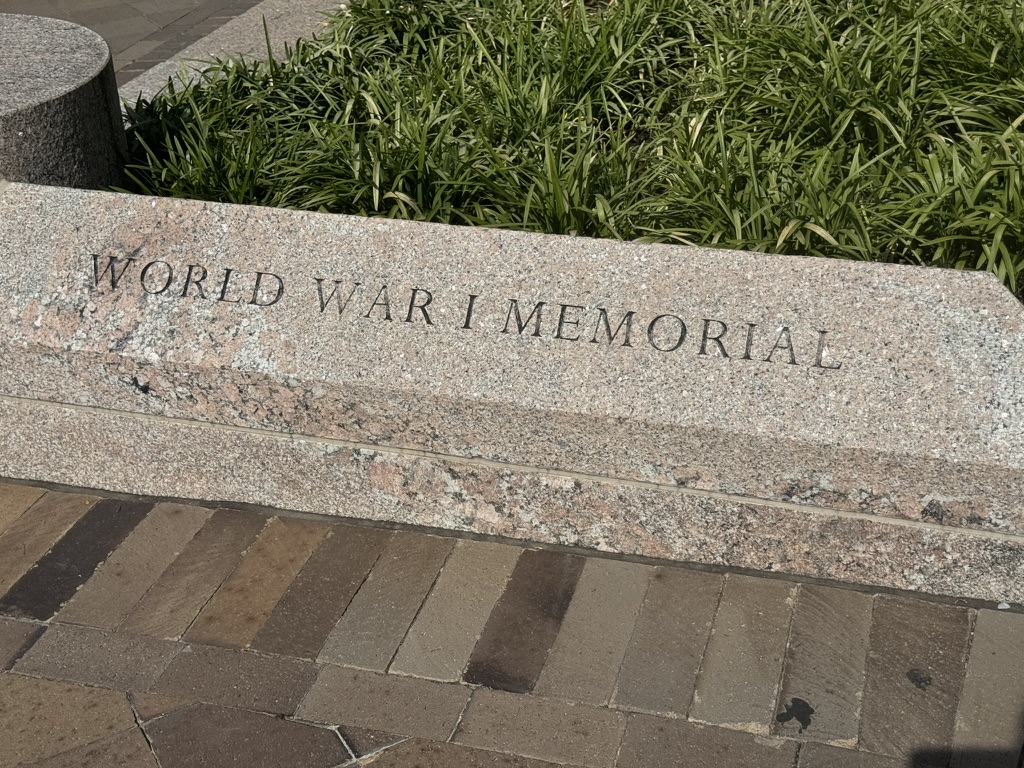
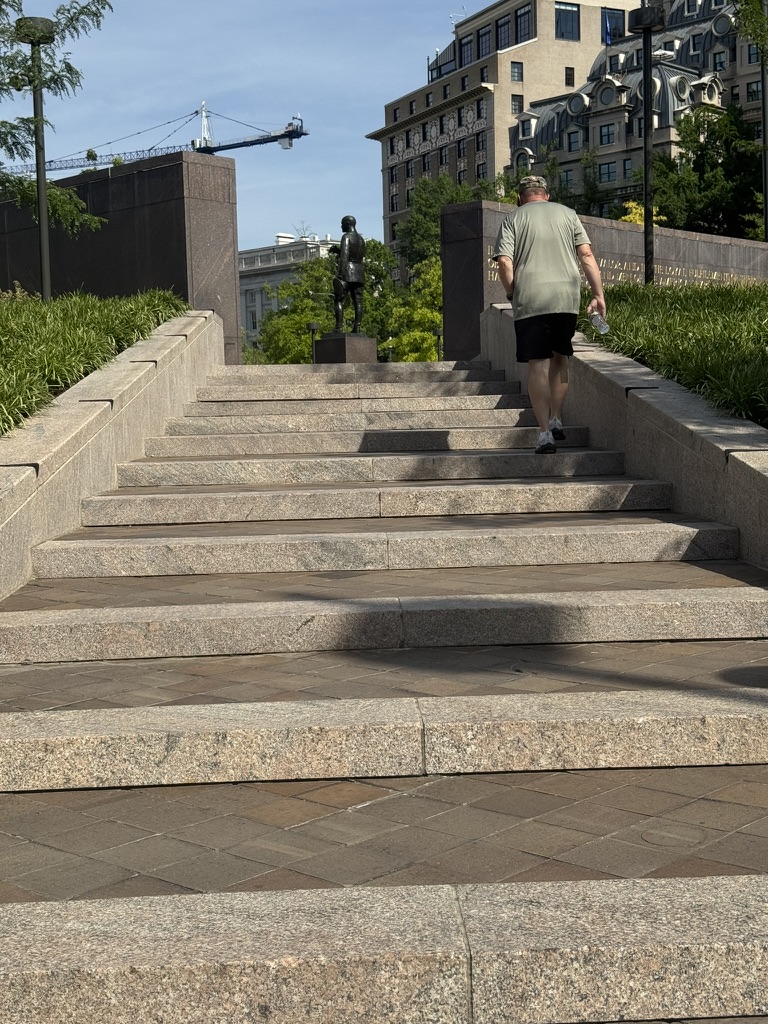
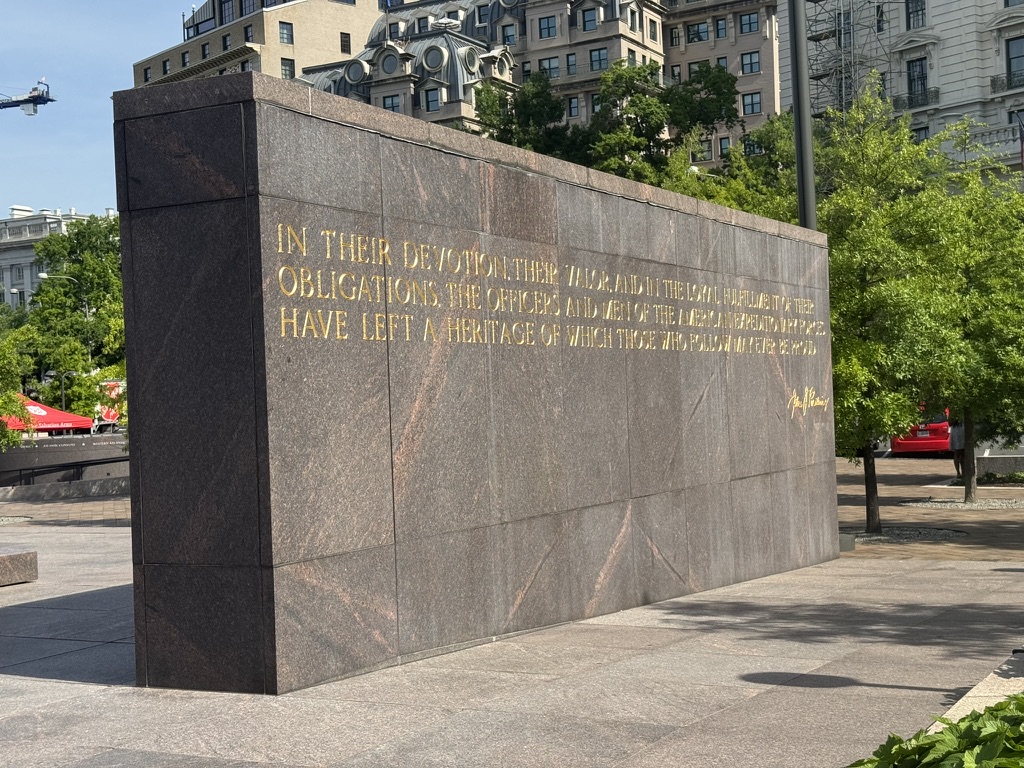
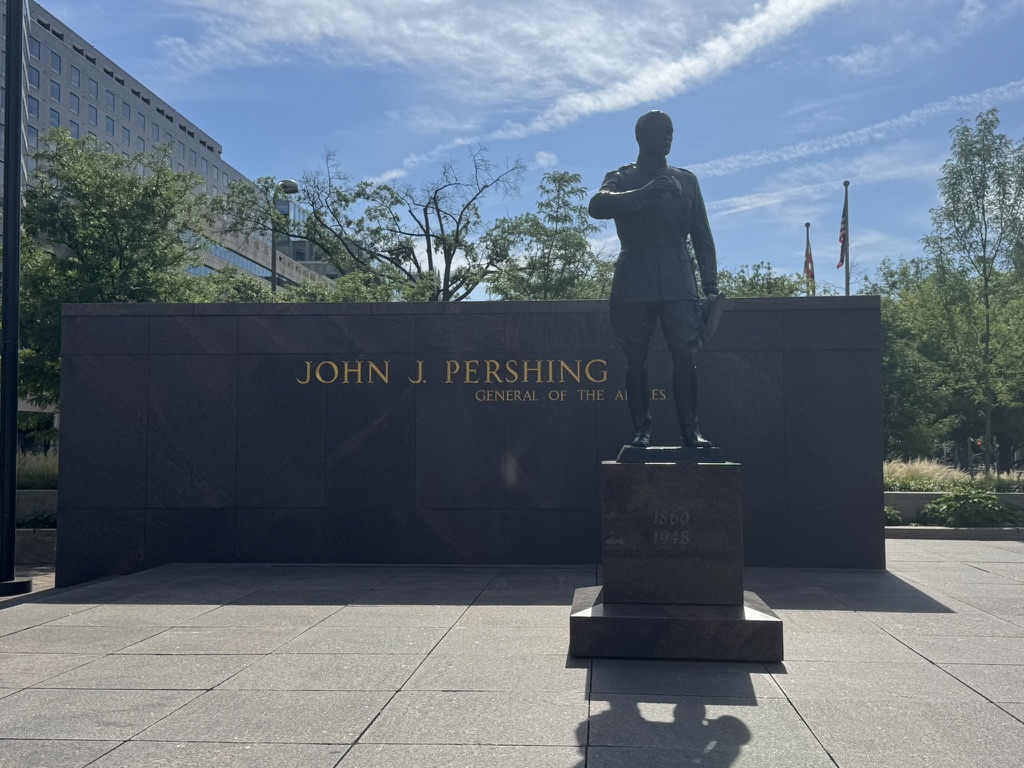
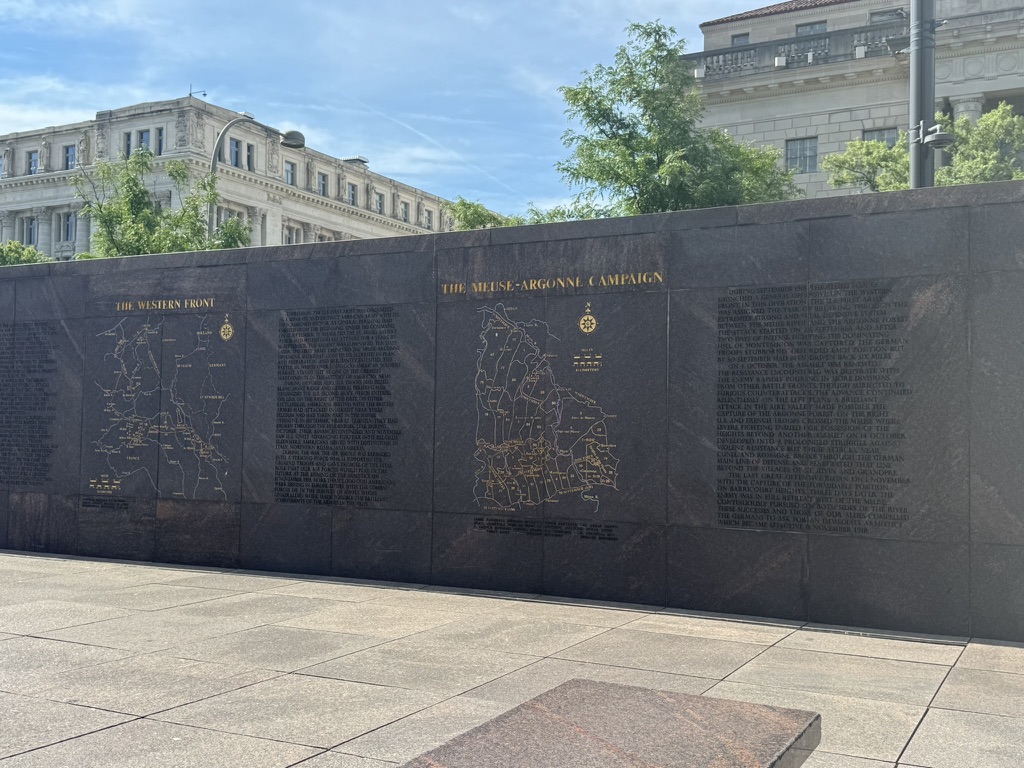
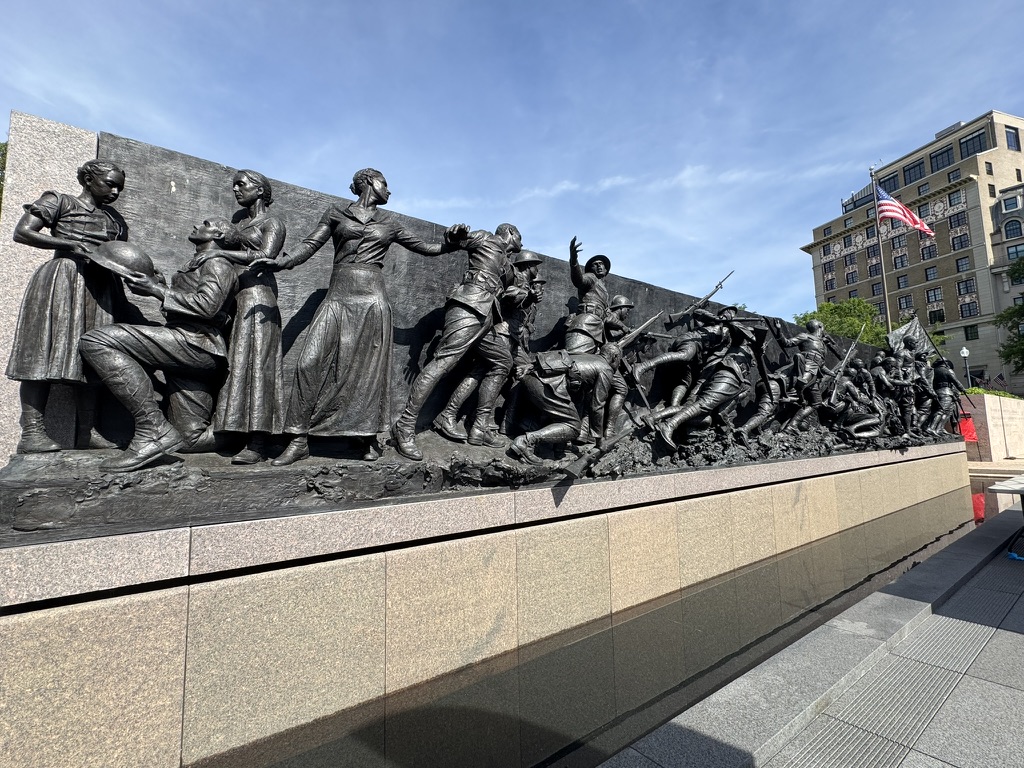
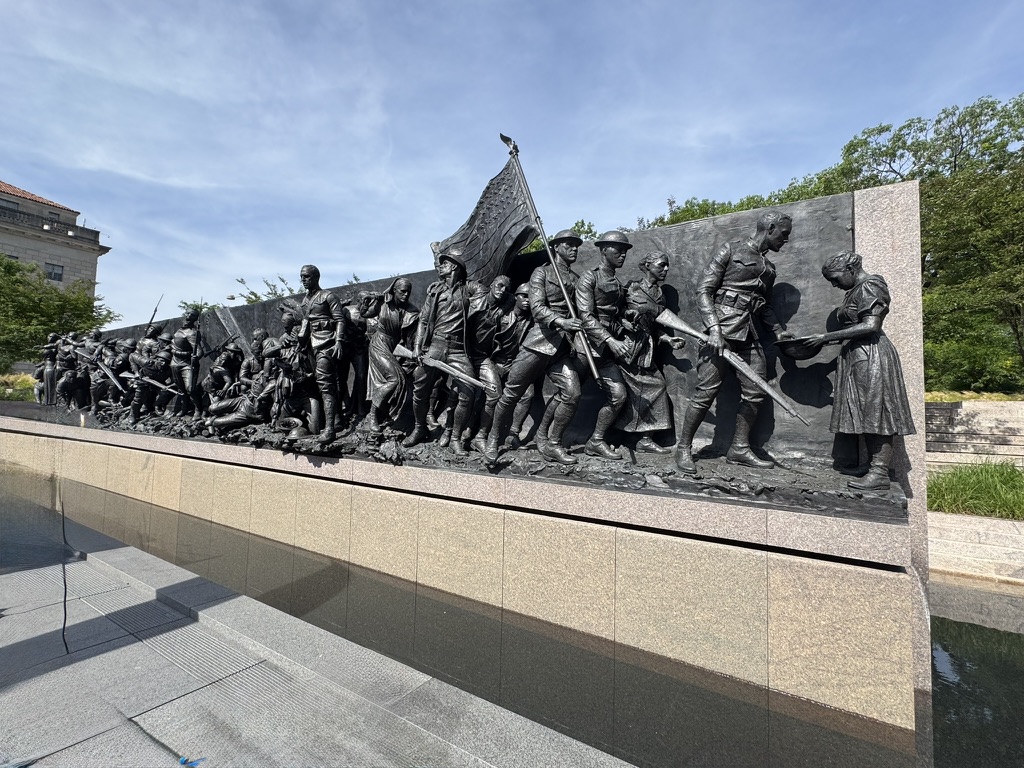
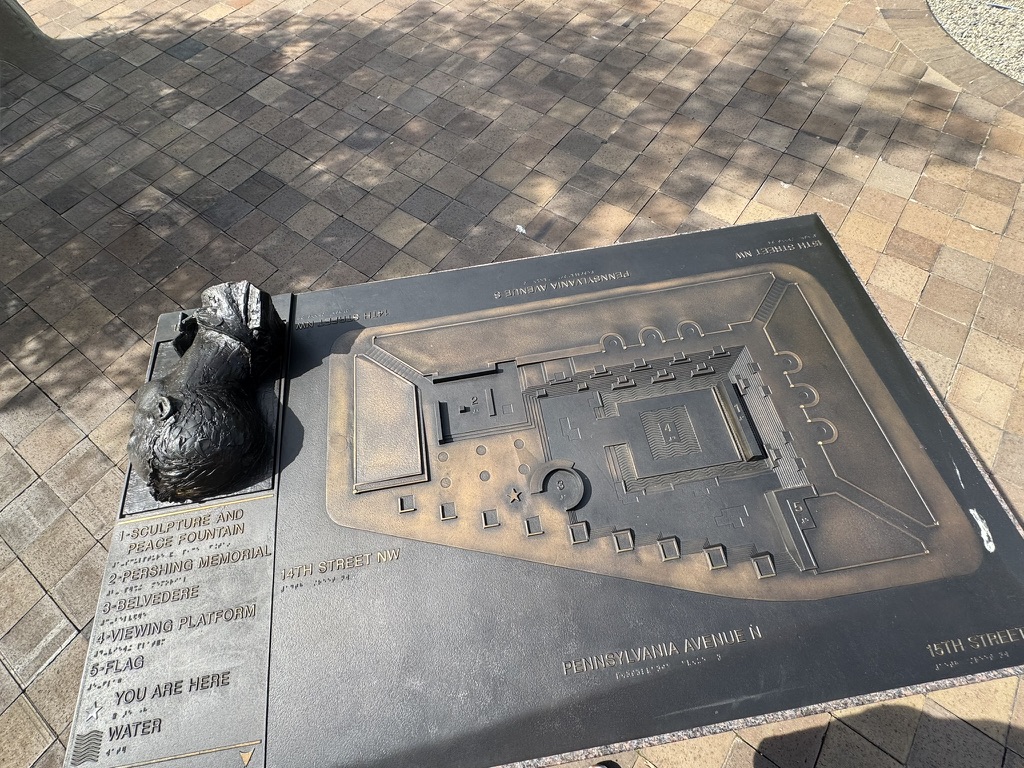
Our first major stop was the World War I Memorial.
What made this stop especially memorable wasn’t just the beautiful memorial itself—it was learning about the daily tradition of “Taps.” Every afternoon at 5:00 p.m., a bugler plays the familiar melody in honor of those who served. We later learned that as of July 3, 2025, the tradition had reached 1,500 consecutive days, regardless of the weather. It’s small traditions like this that quietly remind you that remembrance isn’t reserved for holidays.
Our White House Lesson
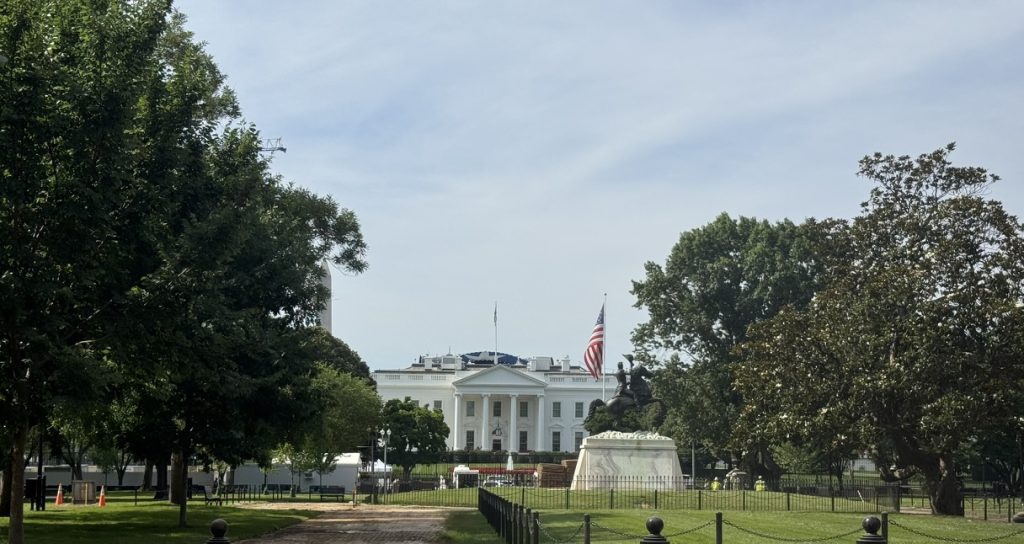
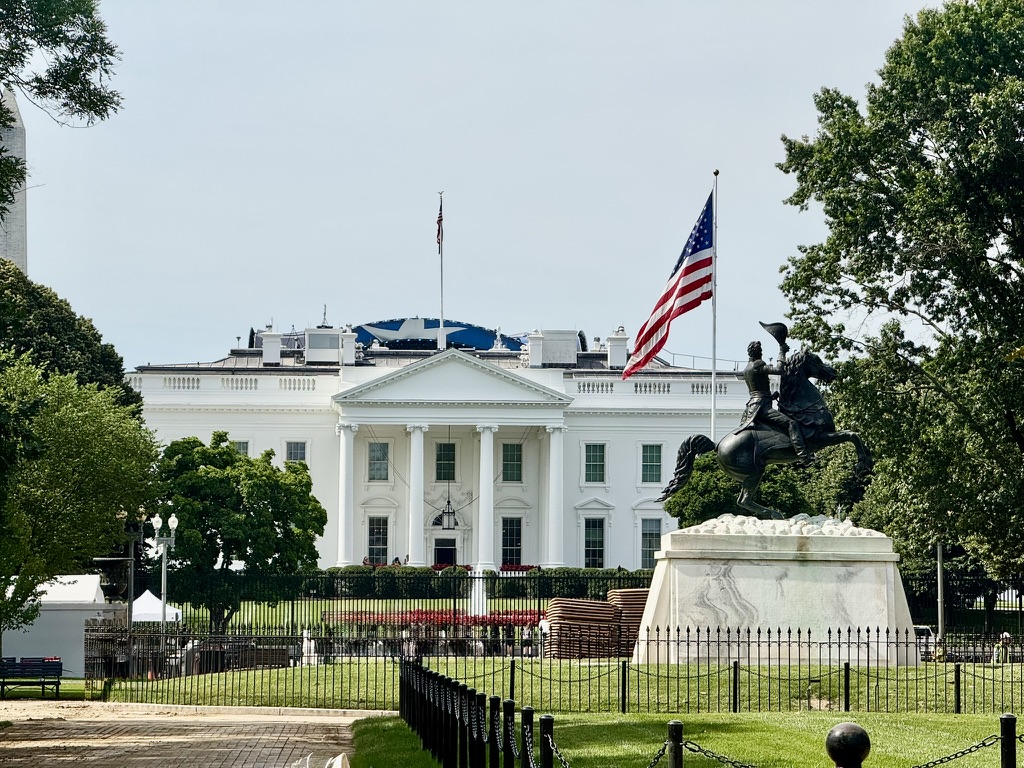
One of the places I was most excited to see was the White House.
Unfortunately, we quickly discovered that timing matters.
Construction, security barriers, and preparations for upcoming events meant there was only one small viewing area through a fence. I managed to line up my camera just right and capture a photograph, but it certainly wasn’t the view we had imagined.
That was our first lesson of the trip: sometimes you can plan everything perfectly and still miss out on something you hoped to see.
Instead of letting it disappoint us, we decided it simply gave us another reason to come back.
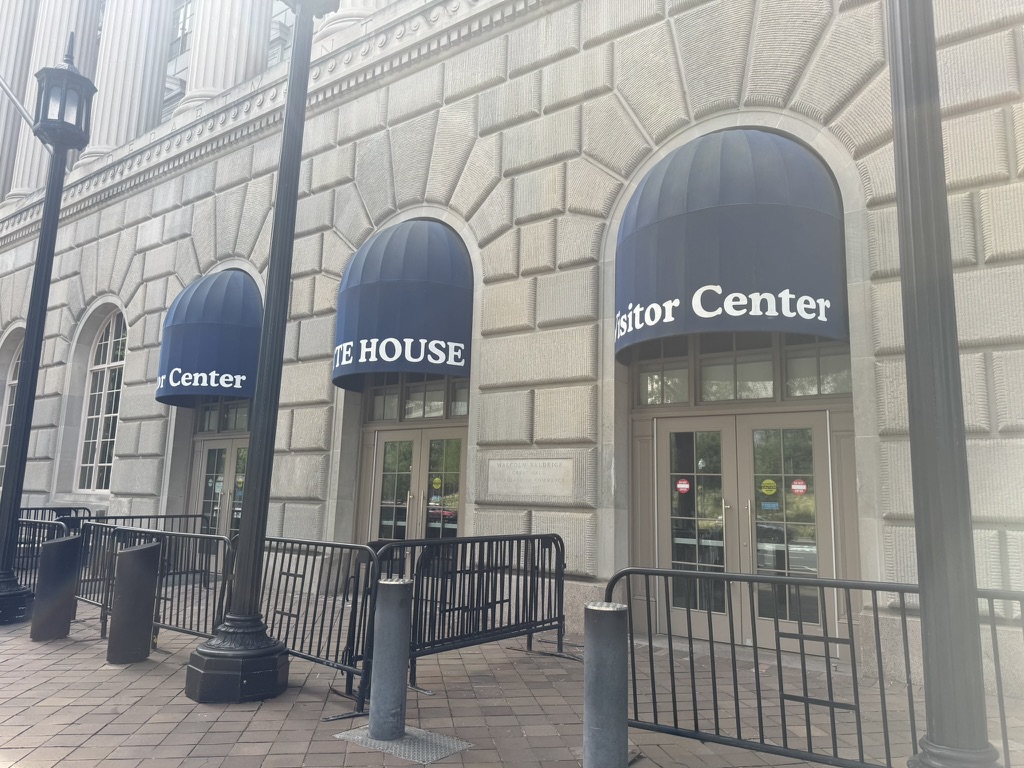
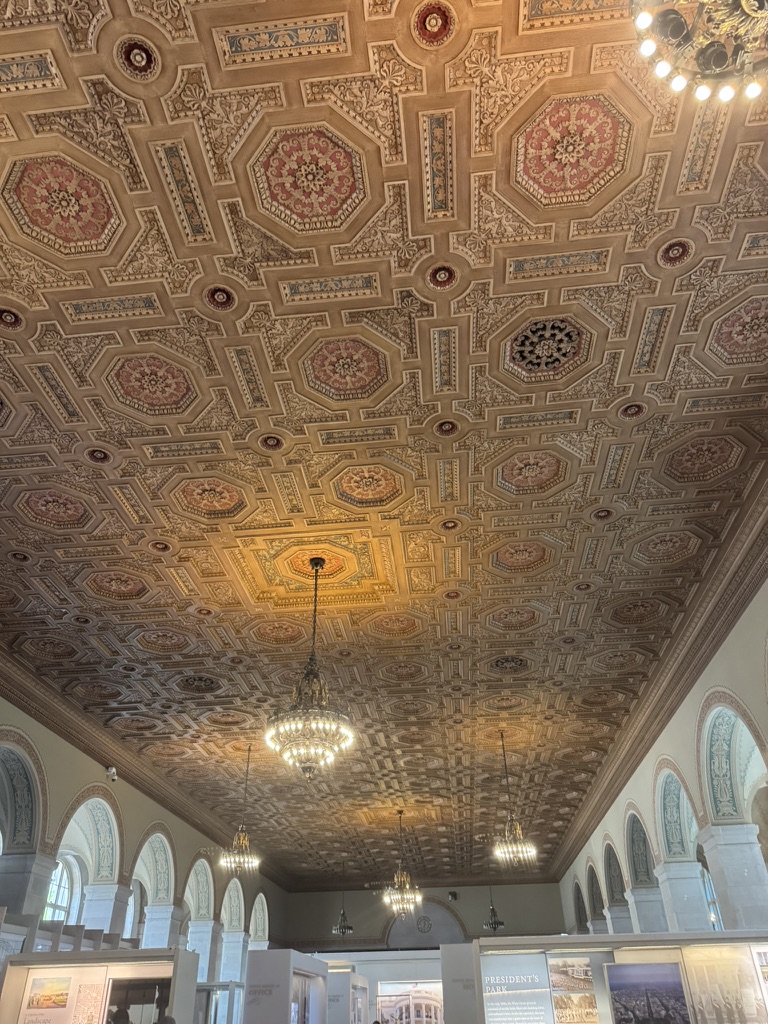
We also stopped inside the White House Visitor Center, where we picked up a Christmas ornament to add to our travel tree back at the RV. We always enjoy bringing home ornaments because every December they remind us of the places we’ve been together.
Lunch Worth Remembering
By lunchtime our legs were beginning to feel the miles.
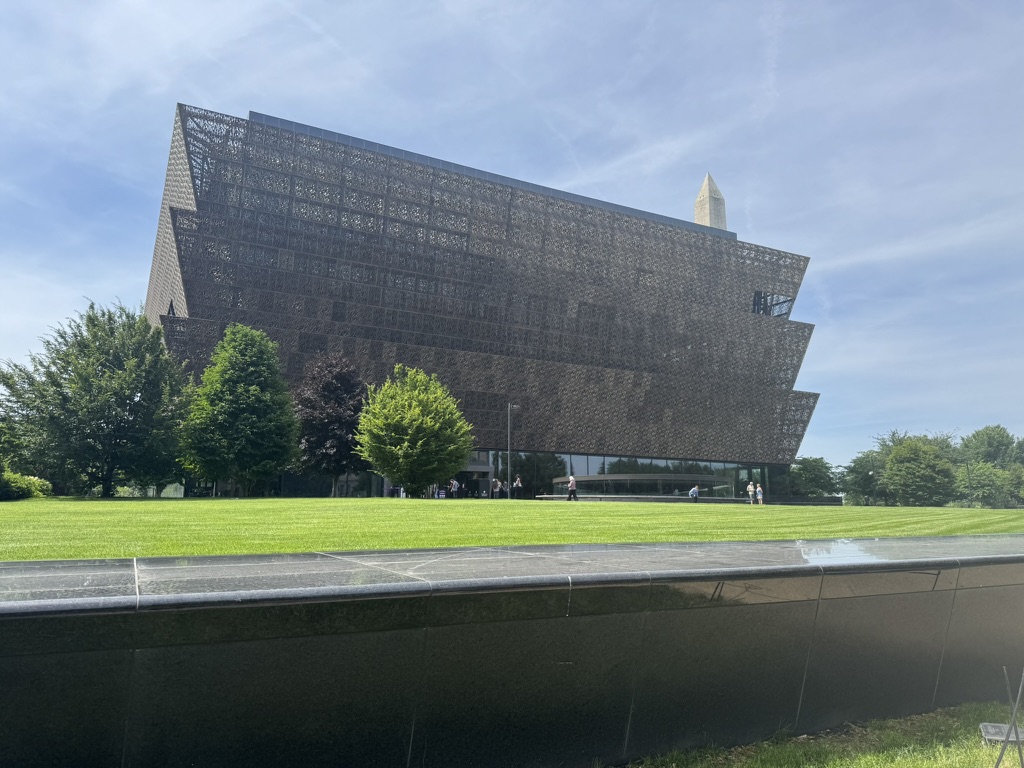
We eventually found ourselves at the Sweet Home Café inside the National Museum of African American History and Culture after seeing the Ronald Reagon Building, which also houses the U.S. Customs and Border Protection.
Without question, I had one of the best plates of shrimp and grits I’ve had in a long time. Sometimes the meals you remember most aren’t the ones you planned—they’re the ones you discover after wandering around all morning.
Standing Beneath the Washington Monument
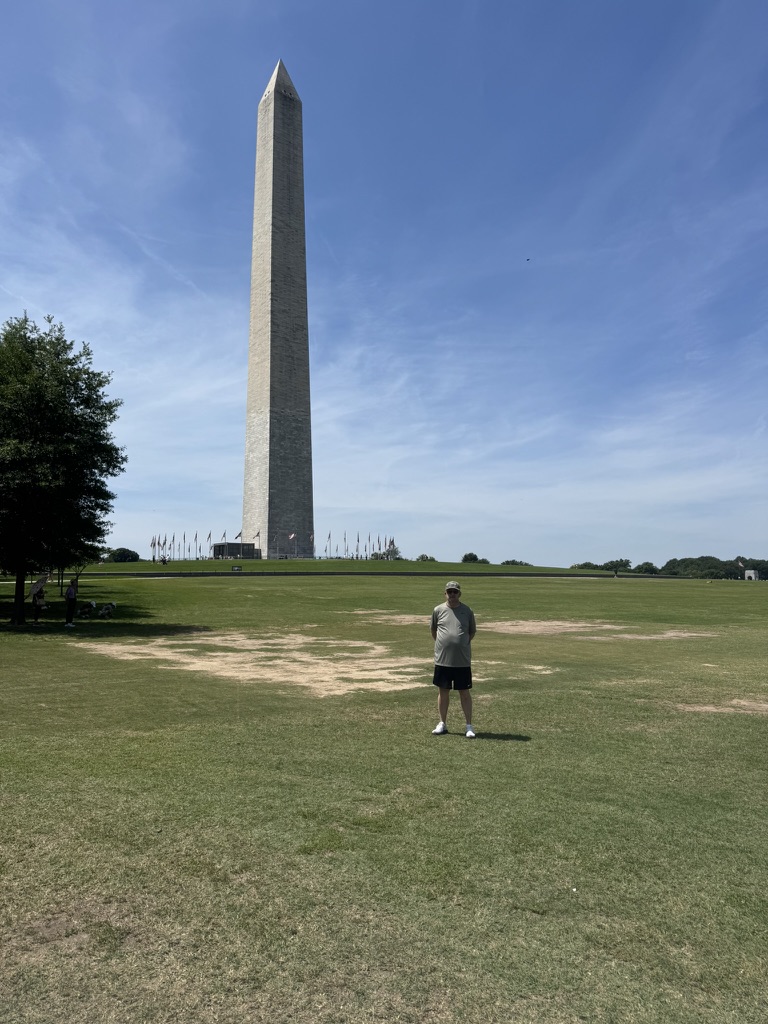
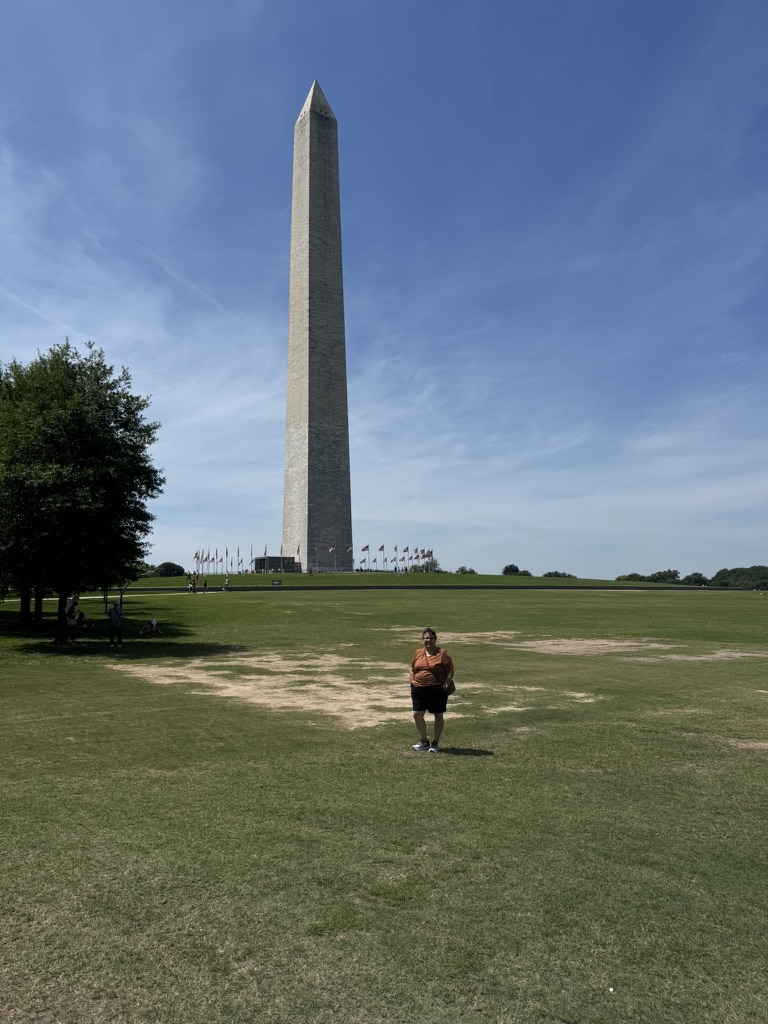
After lunch we made our way toward the Washington Monument.
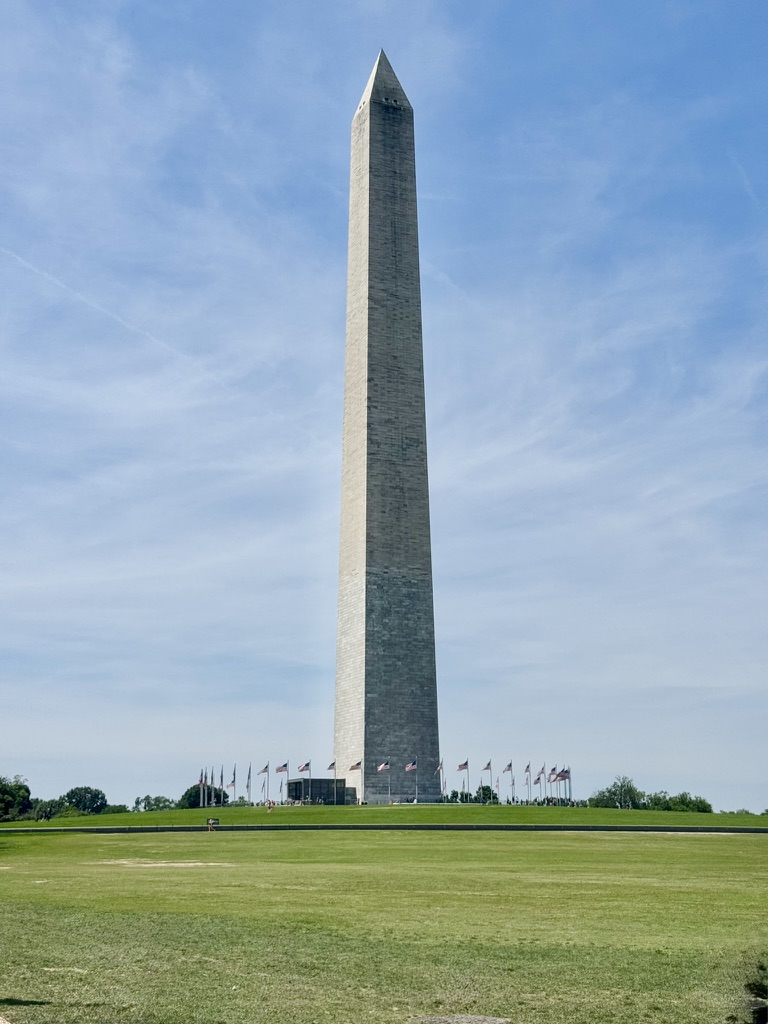
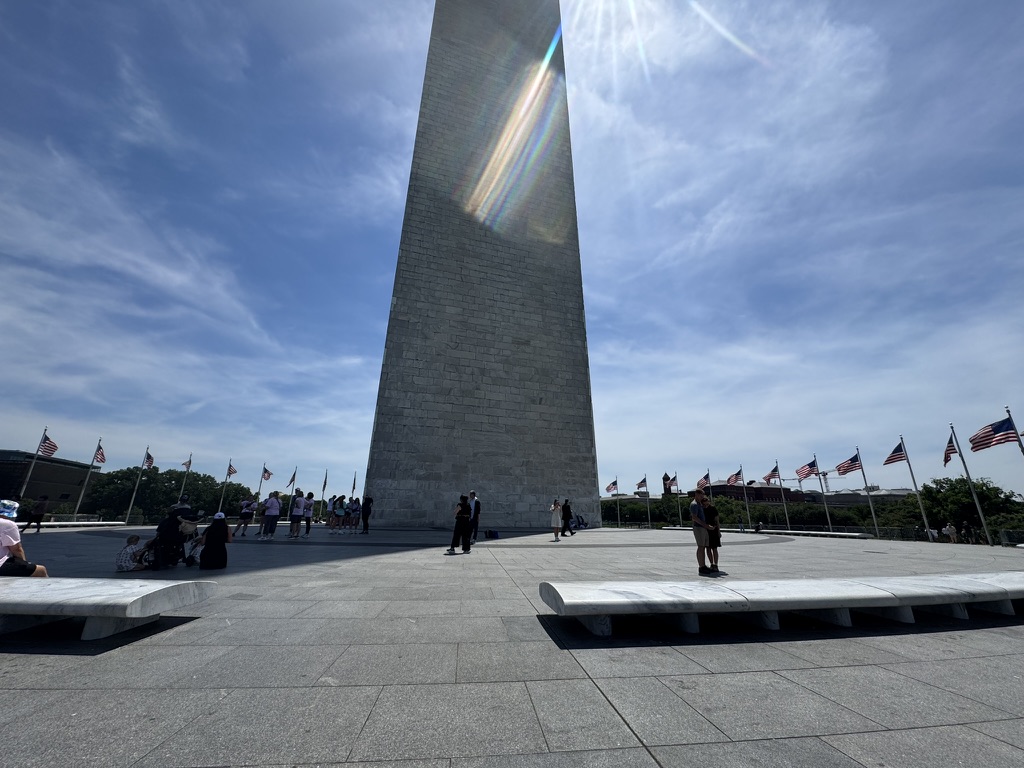
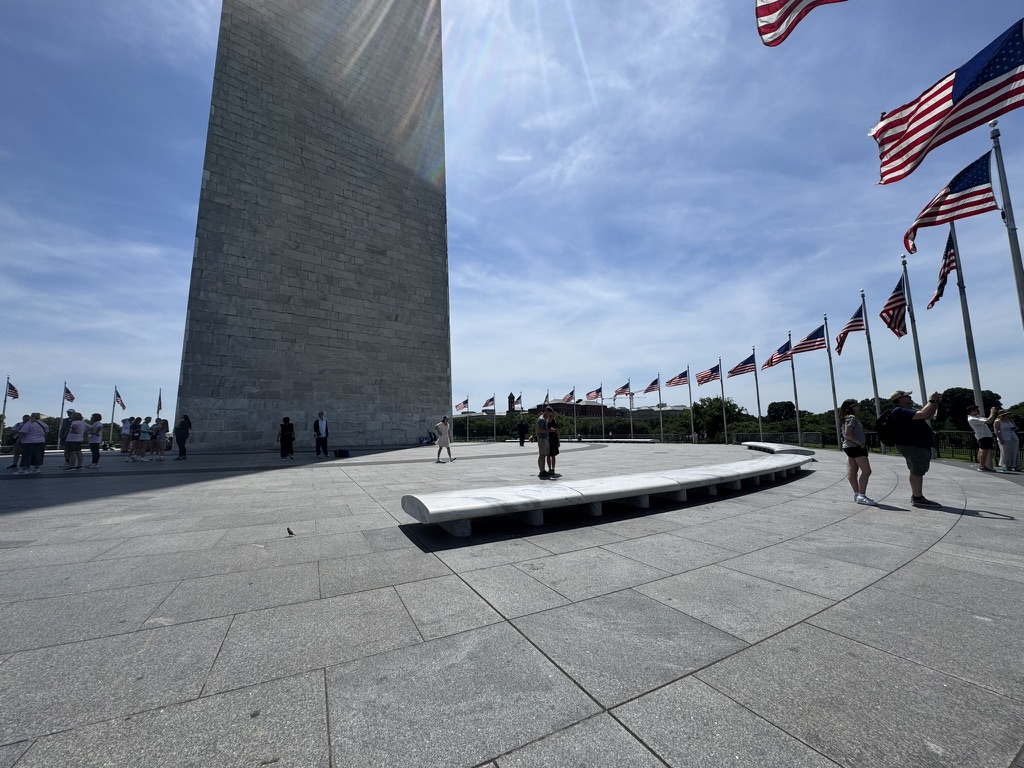
No matter how many photographs you’ve seen, nothing prepares you for standing beneath it and looking straight up at all 555 feet.
Visitors can ride an elevator to the observation deck, but Greg and I politely passed. Being a little claustrophobic and seeing the long lines made that decision pretty easy.
One detail I found especially interesting was the change in the color of the marble. Construction began in 1848 but stopped for more than twenty years because of funding issues and the Civil War before finally being completed in 1888. If you look closely, you can actually see where construction resumed.
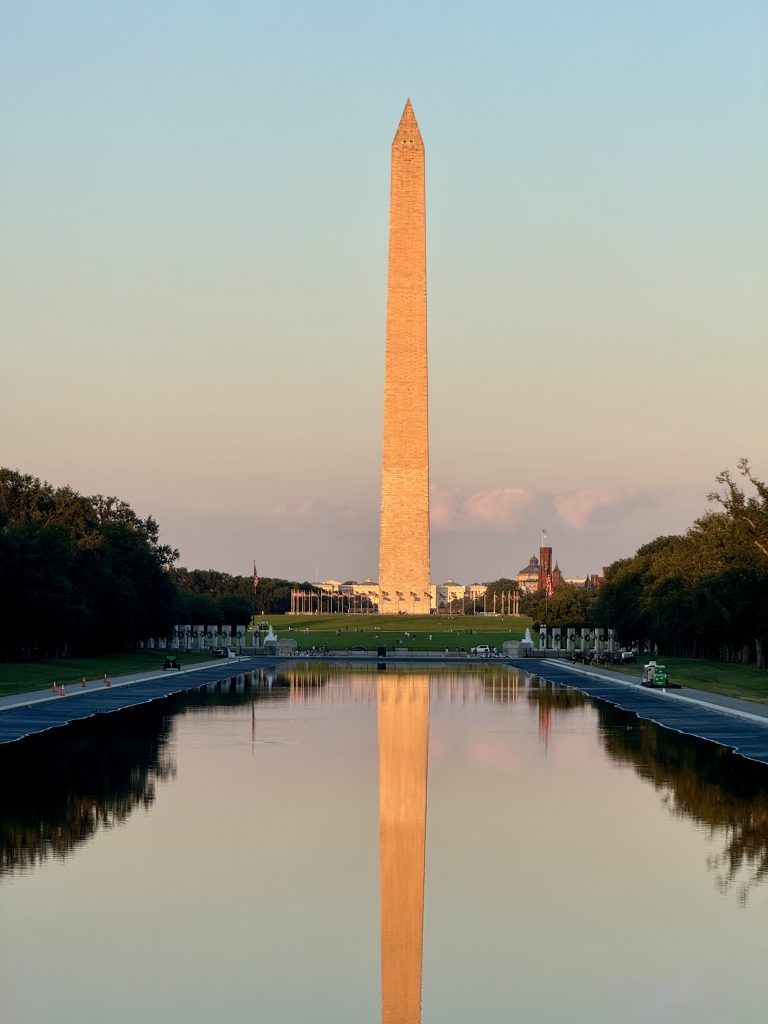
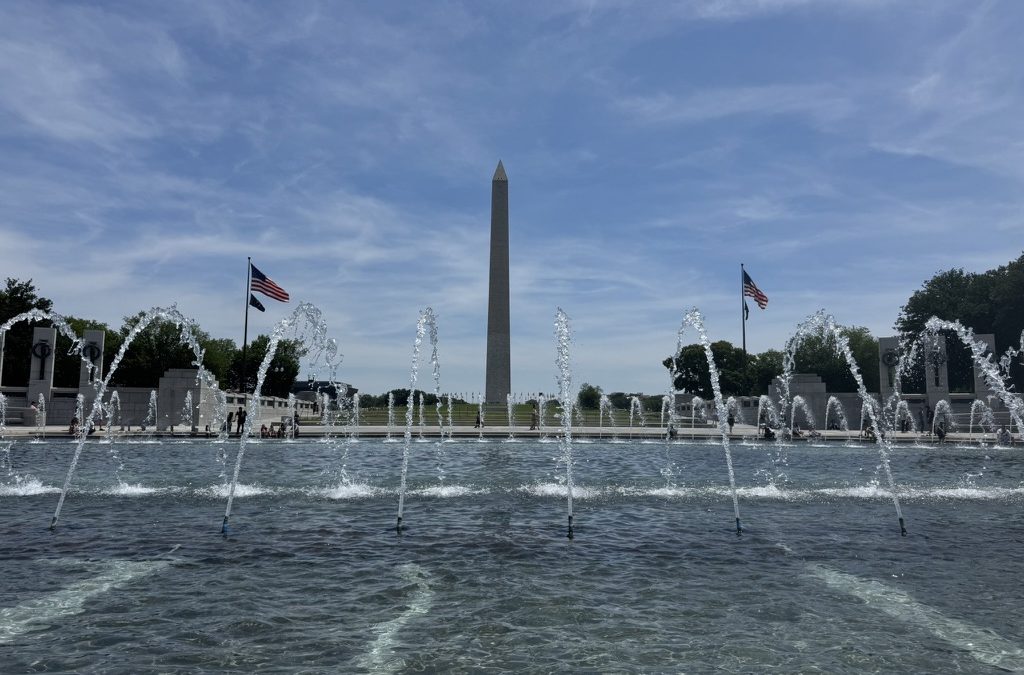
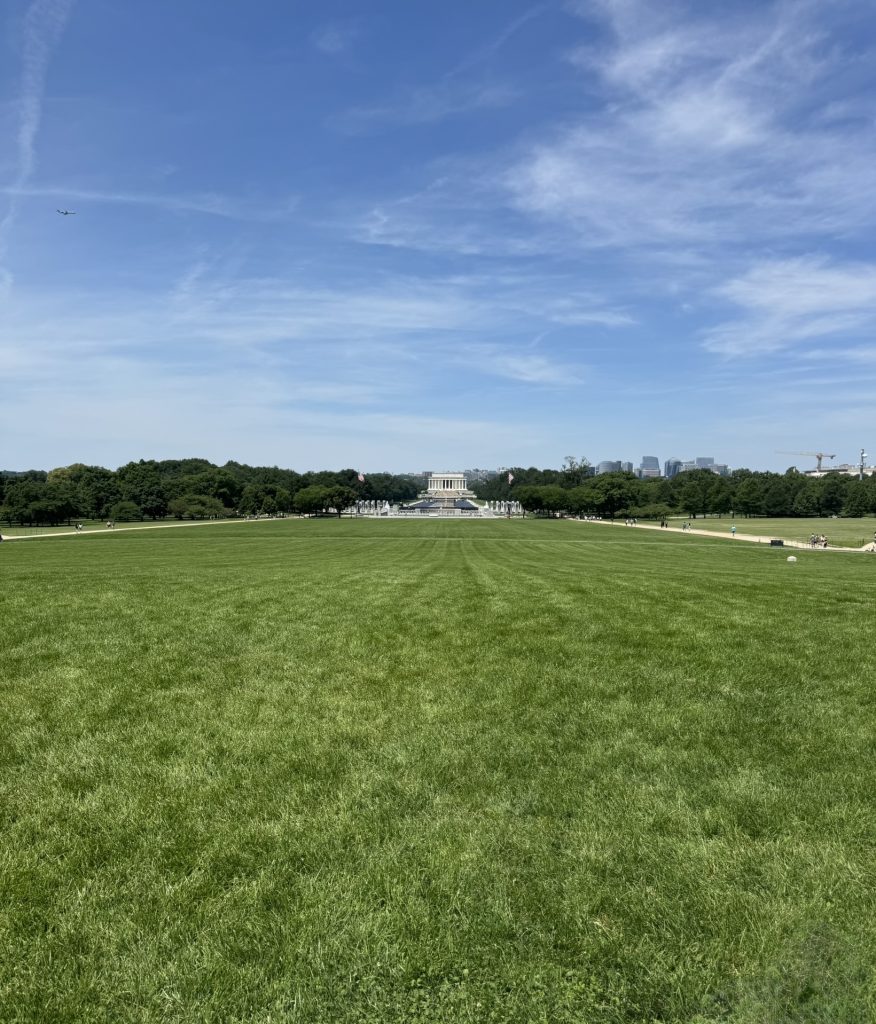
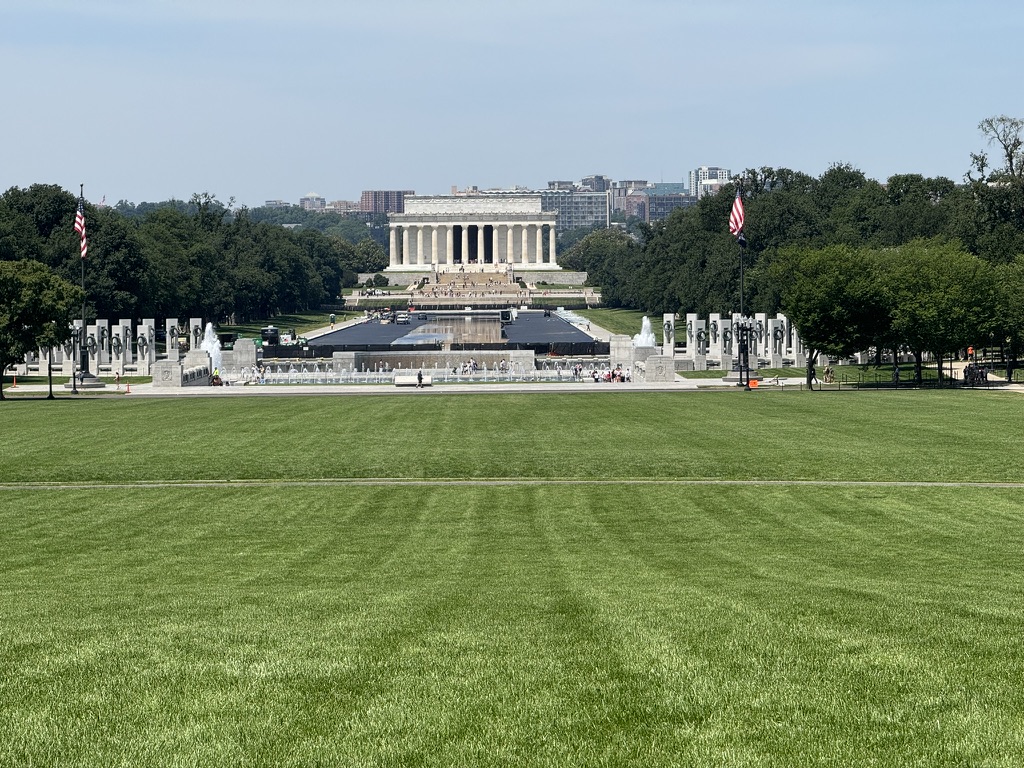
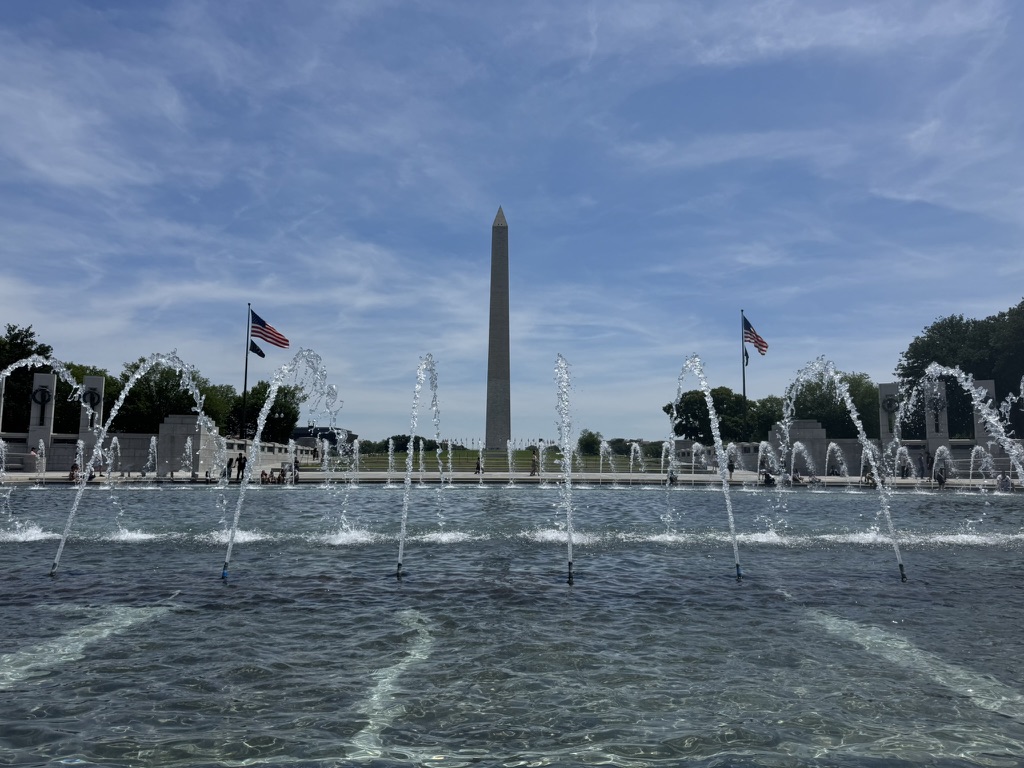
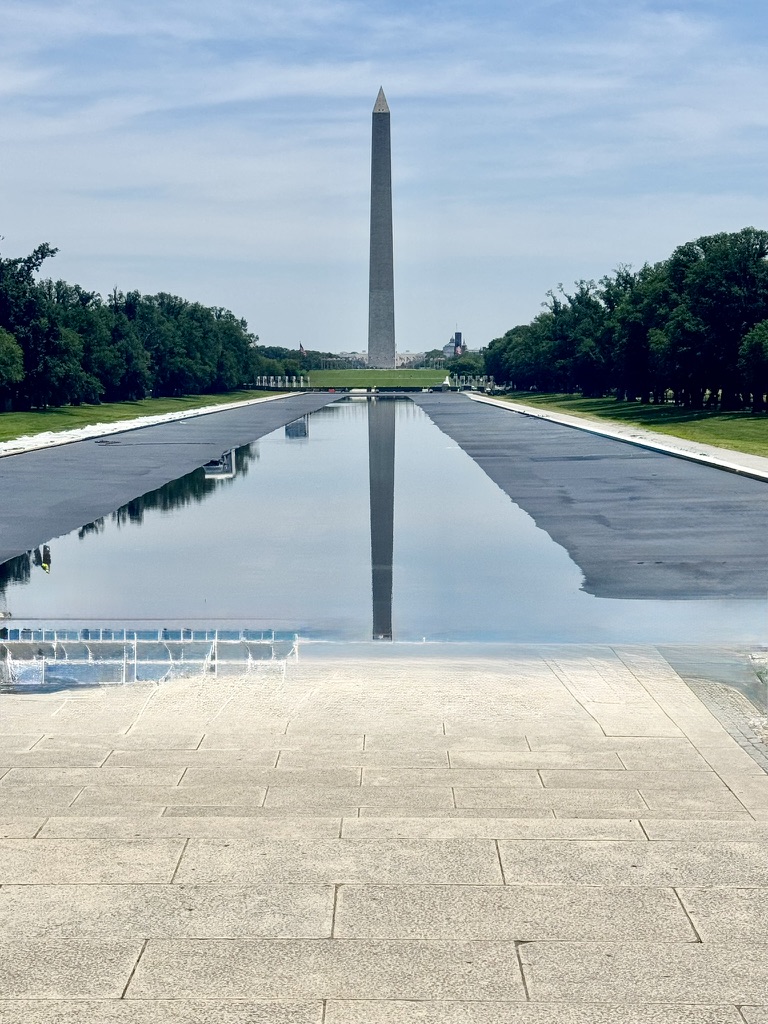
From the monument, the views toward the World War II Memorial, the Reflecting Pool, and the Lincoln Memorial were absolutely breathtaking.
Memorials that Leave You Quiet
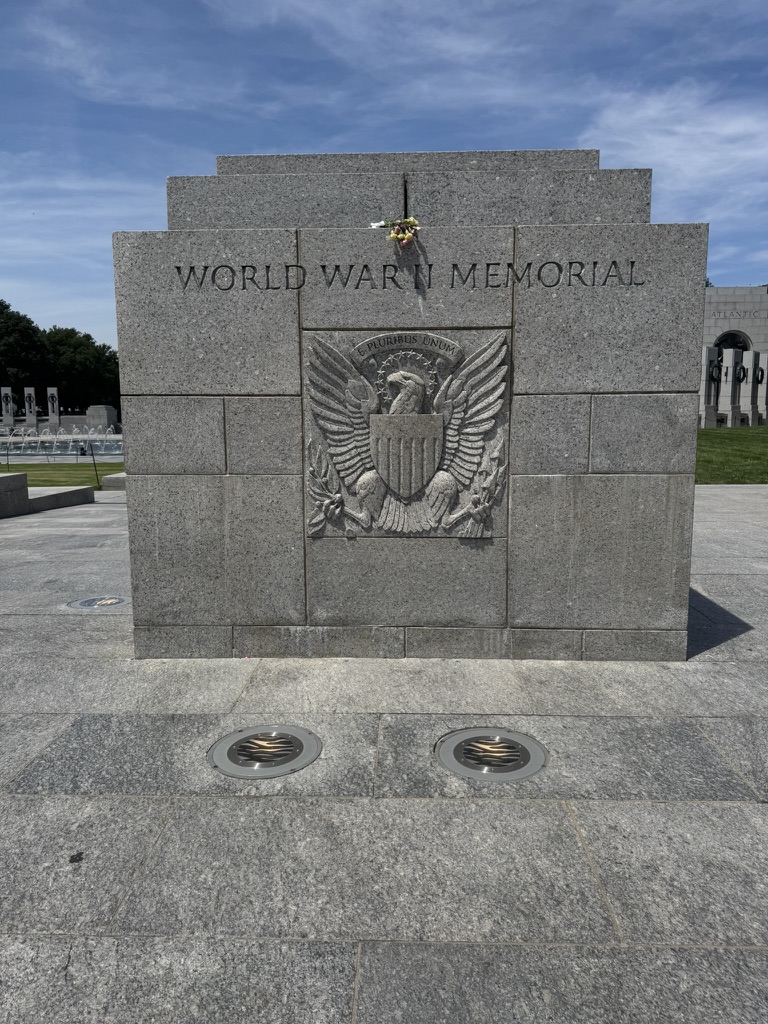
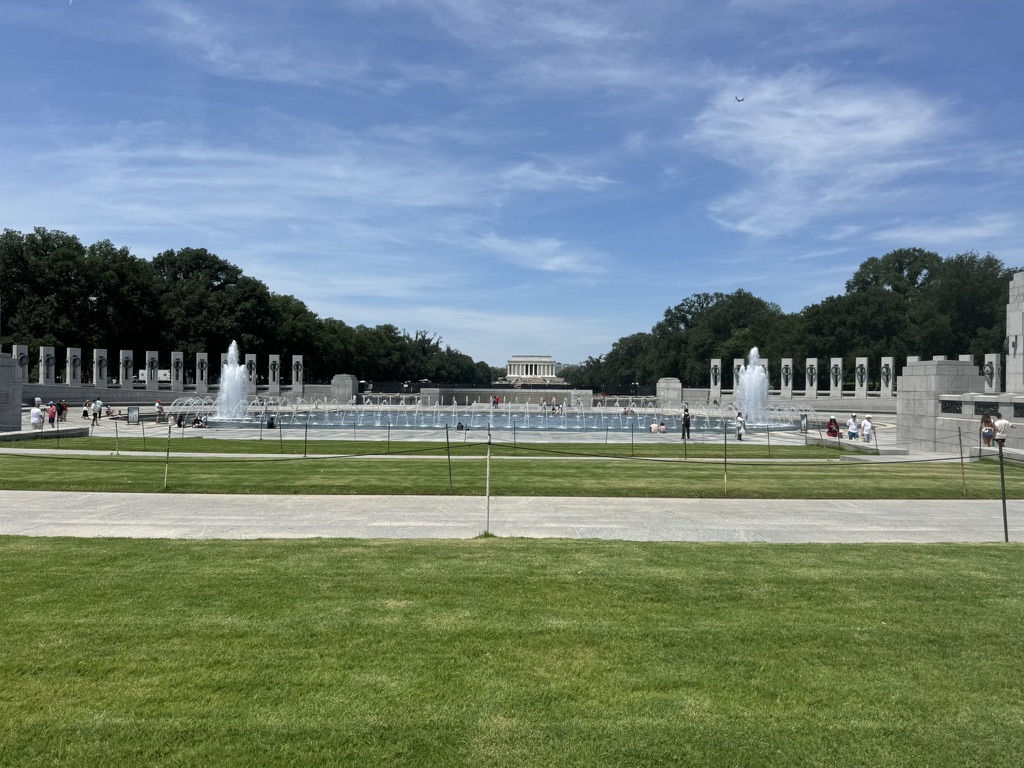
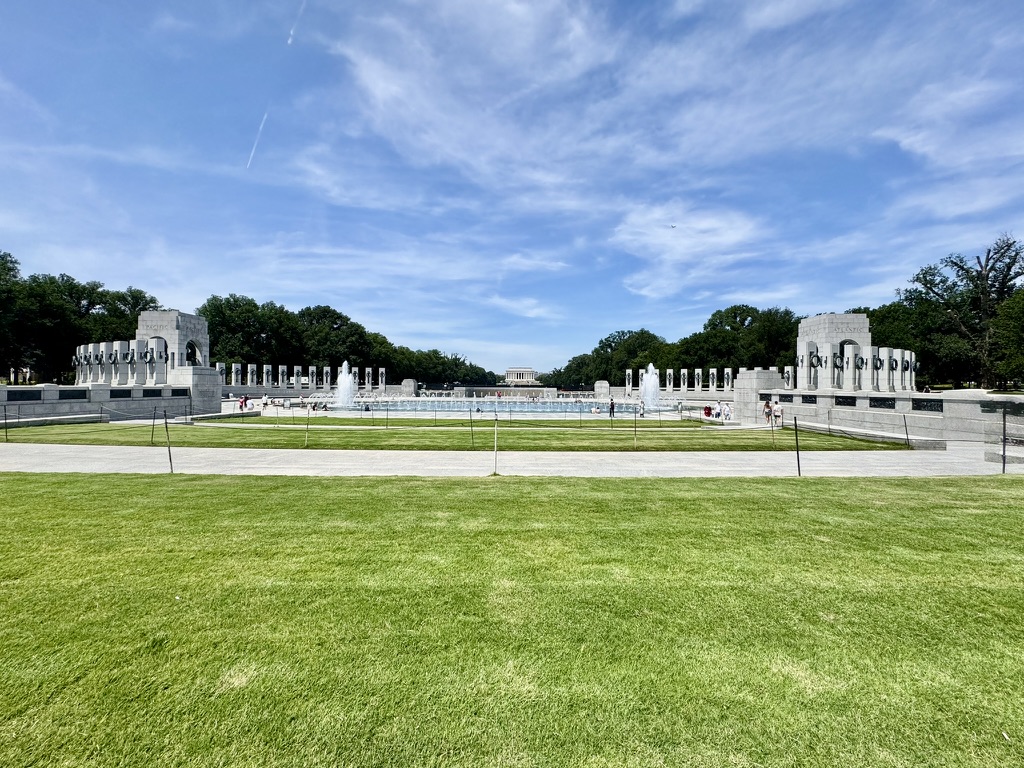
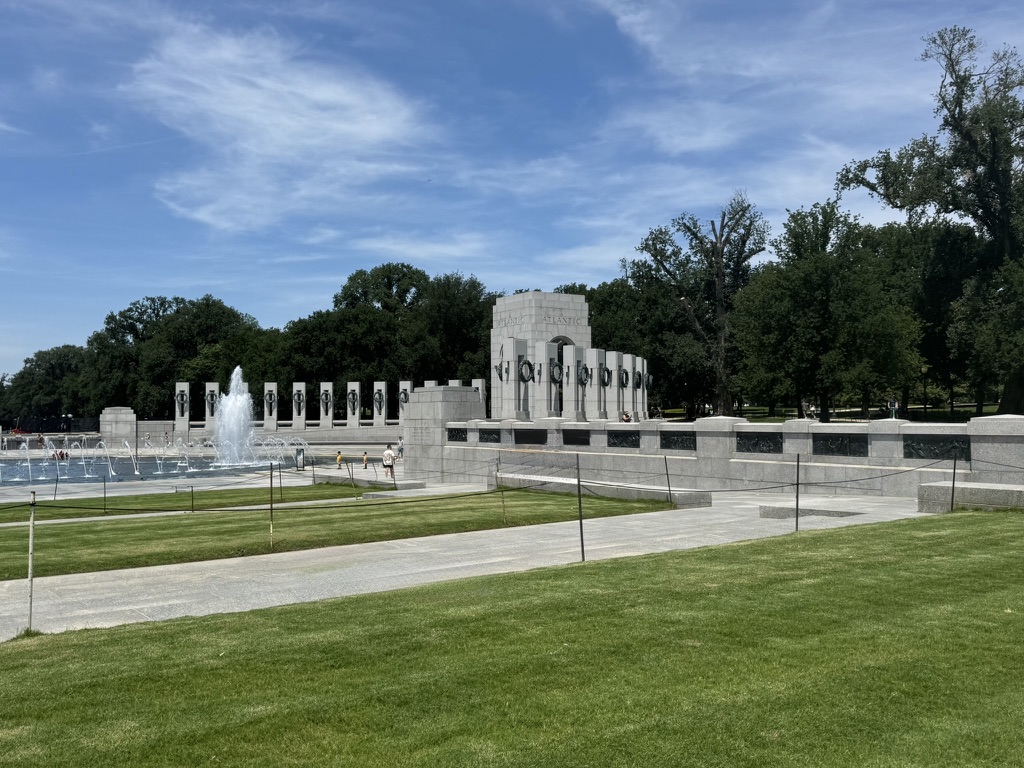
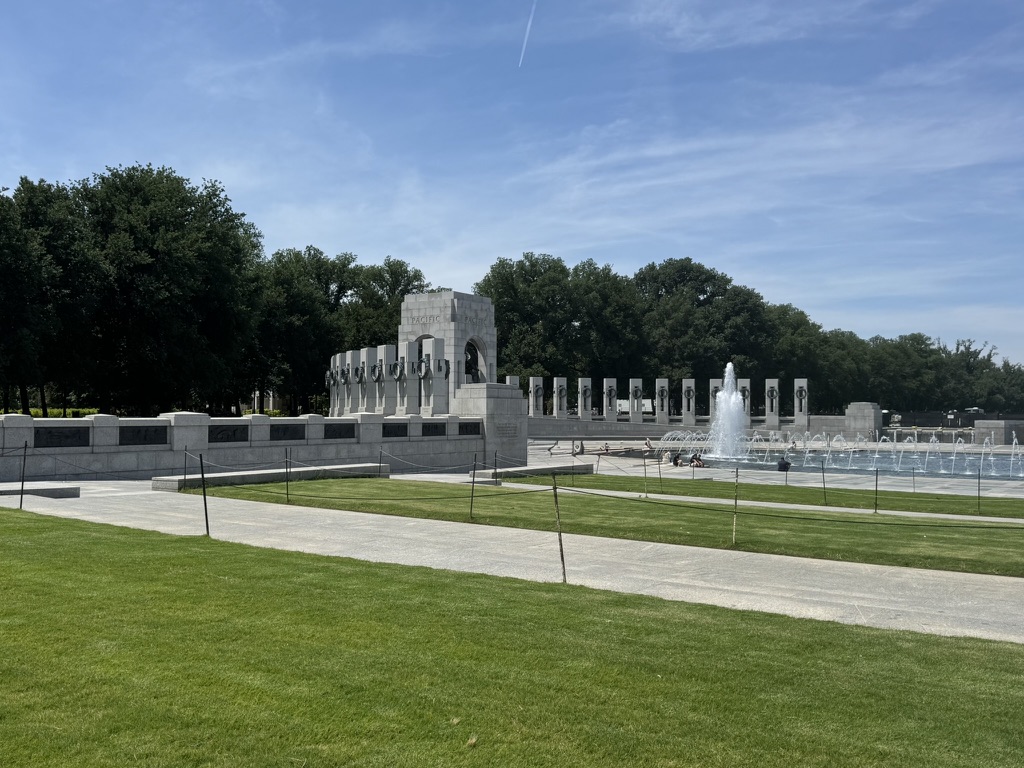
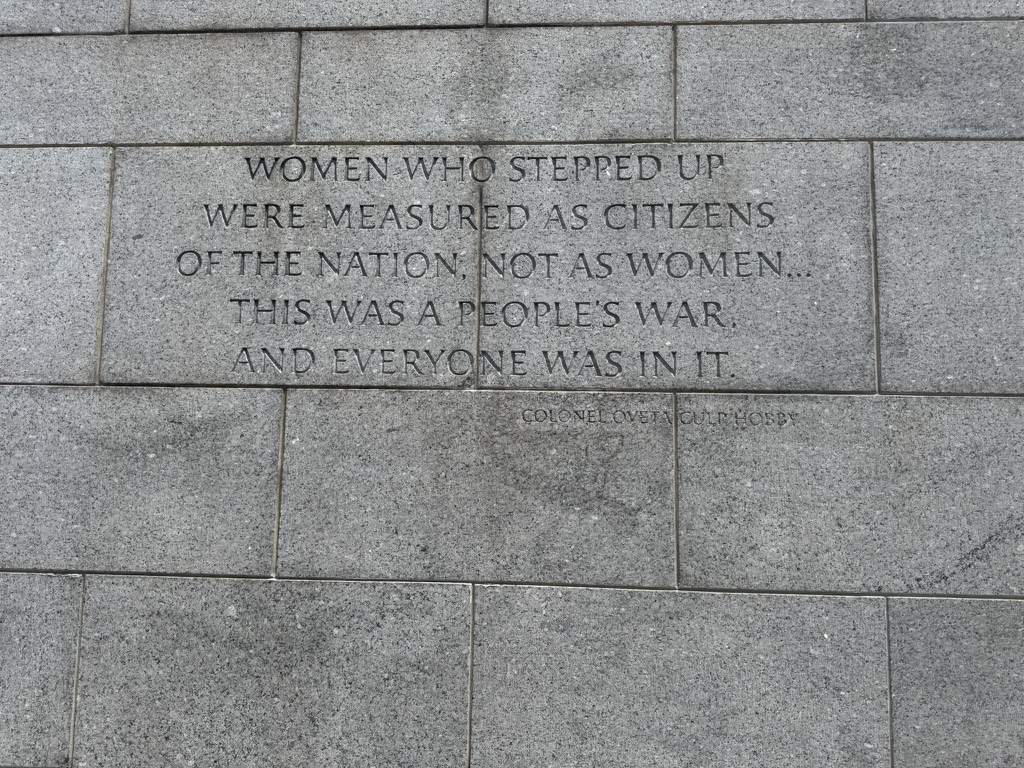
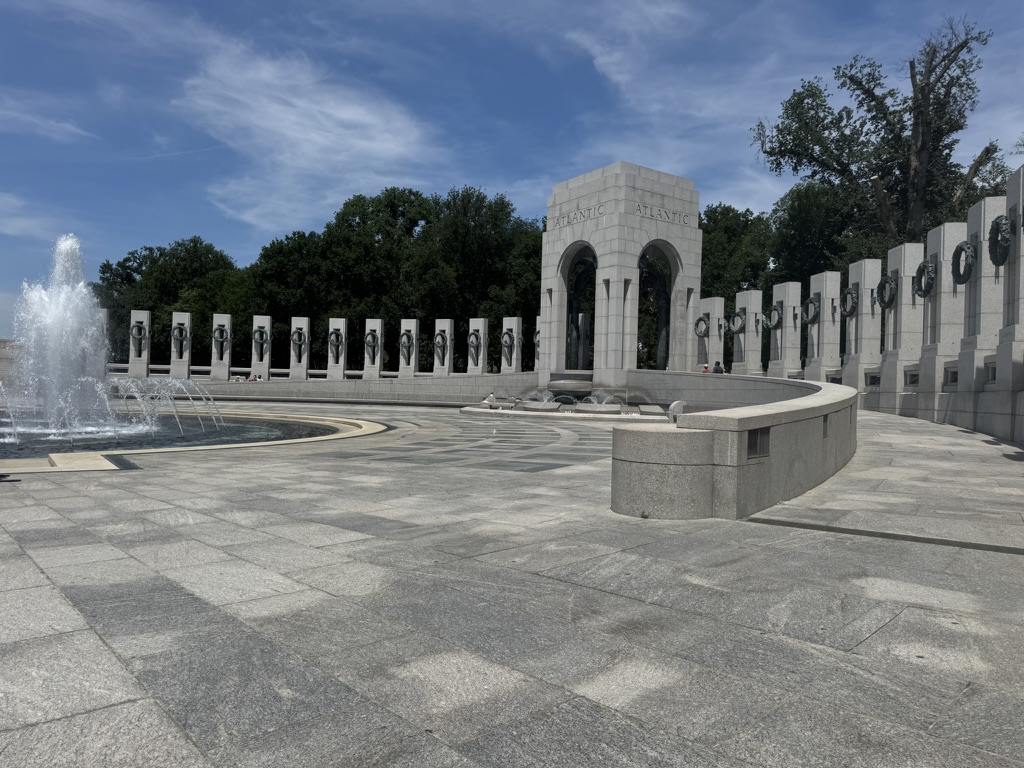
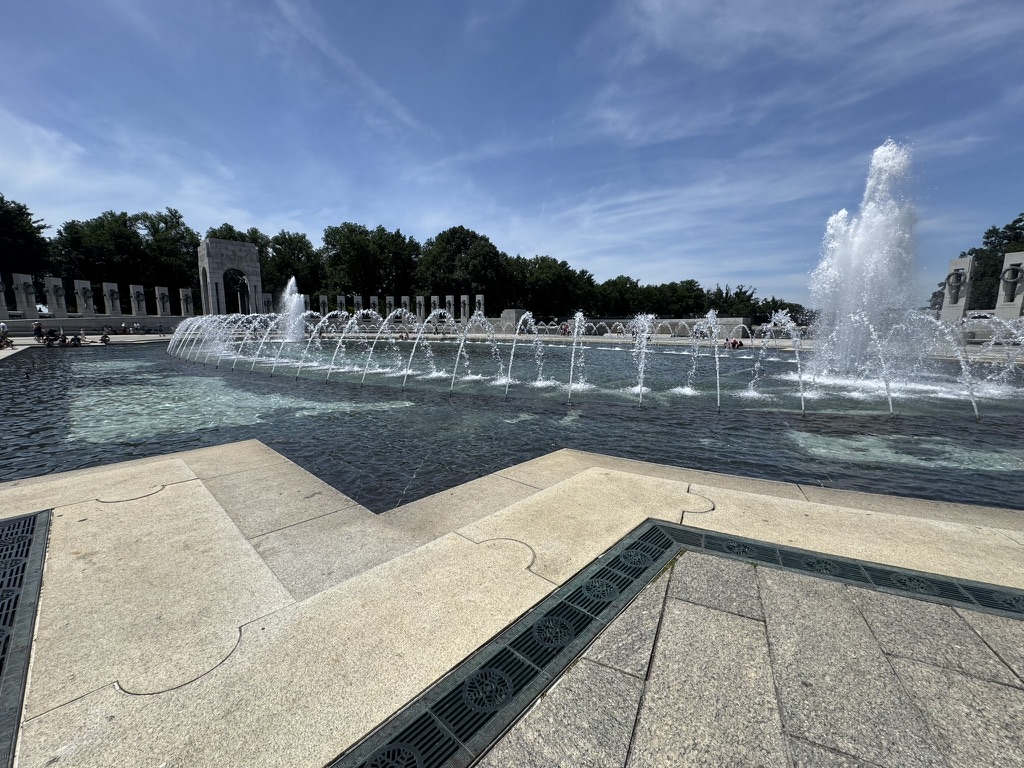
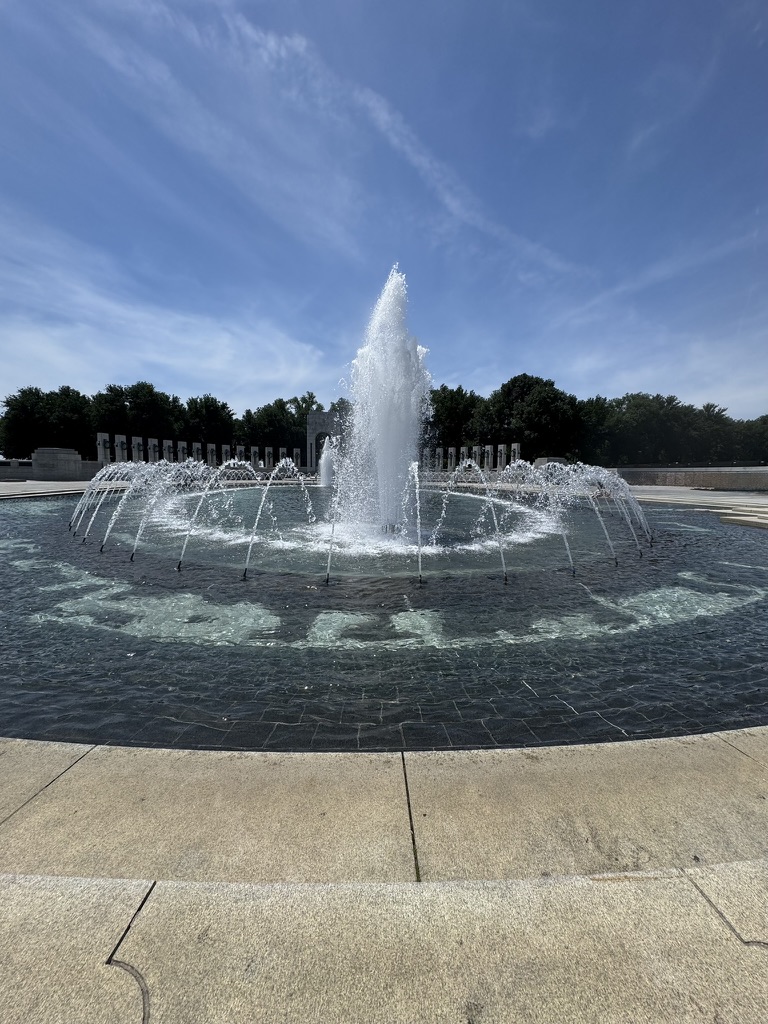
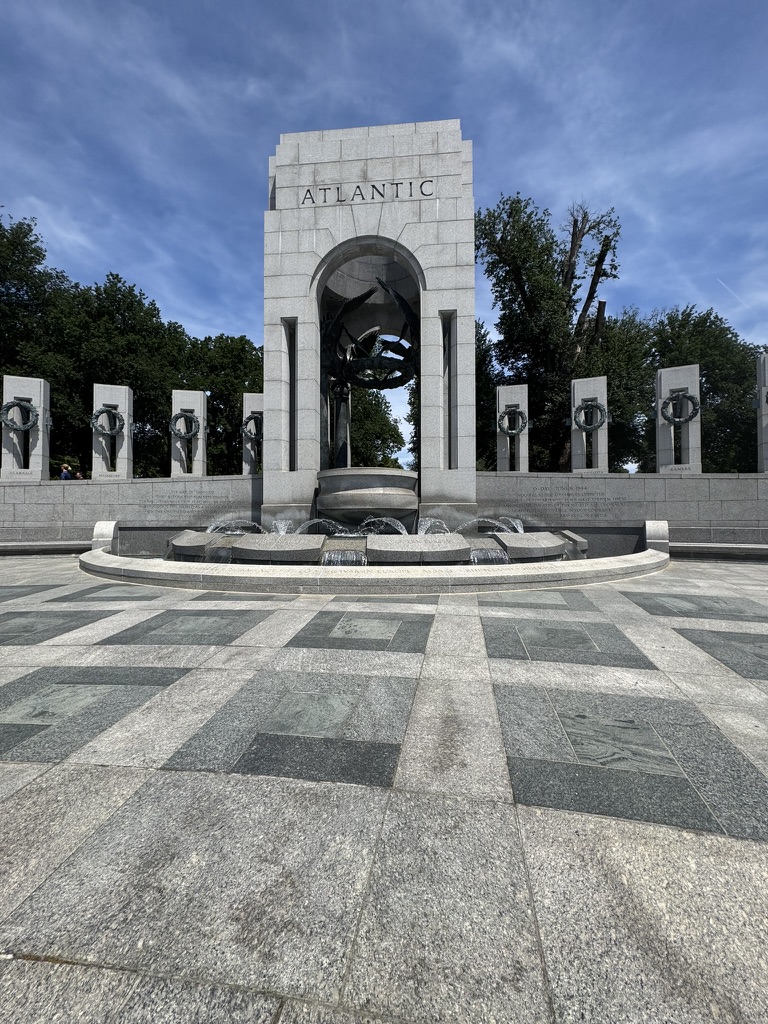
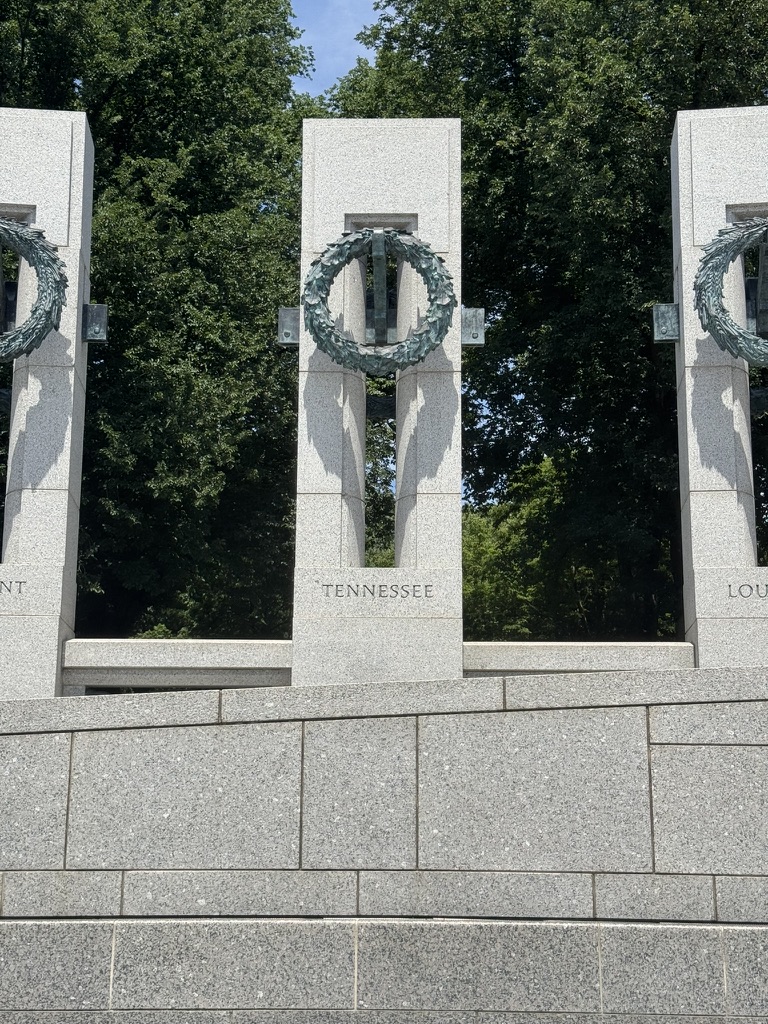
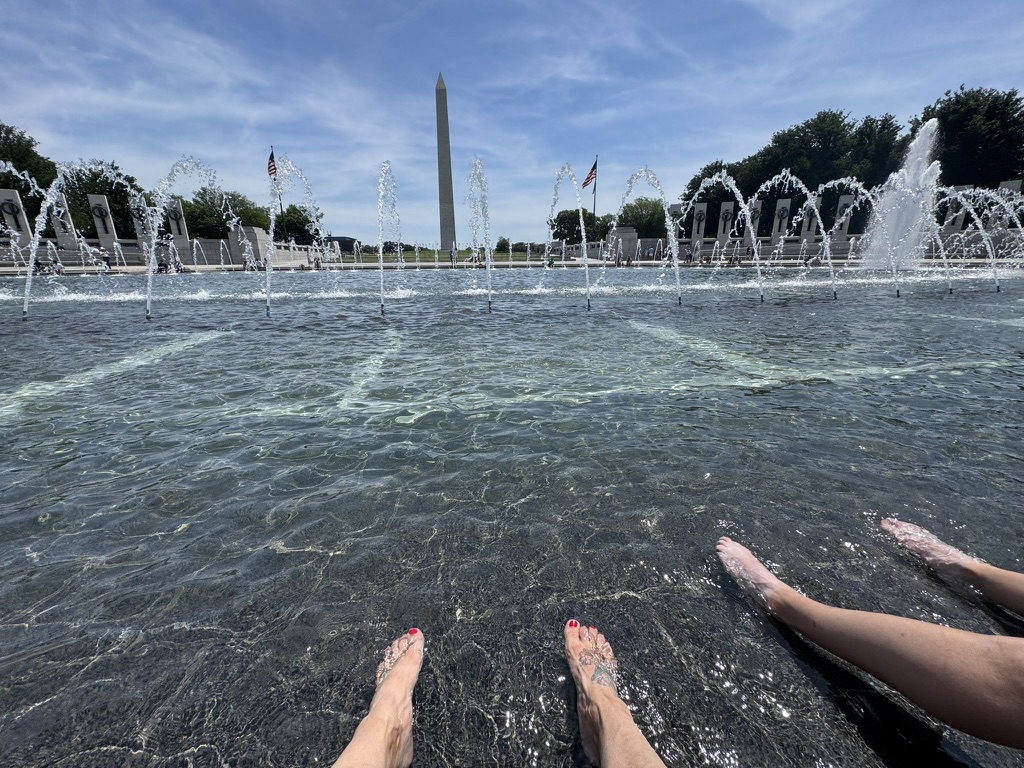
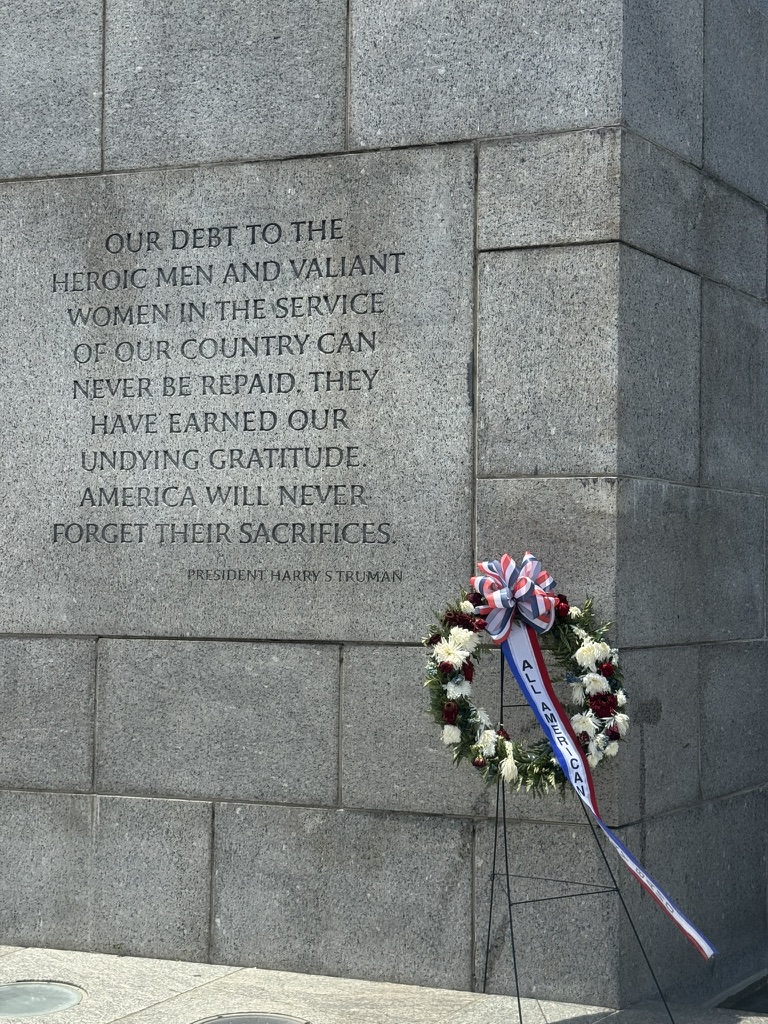
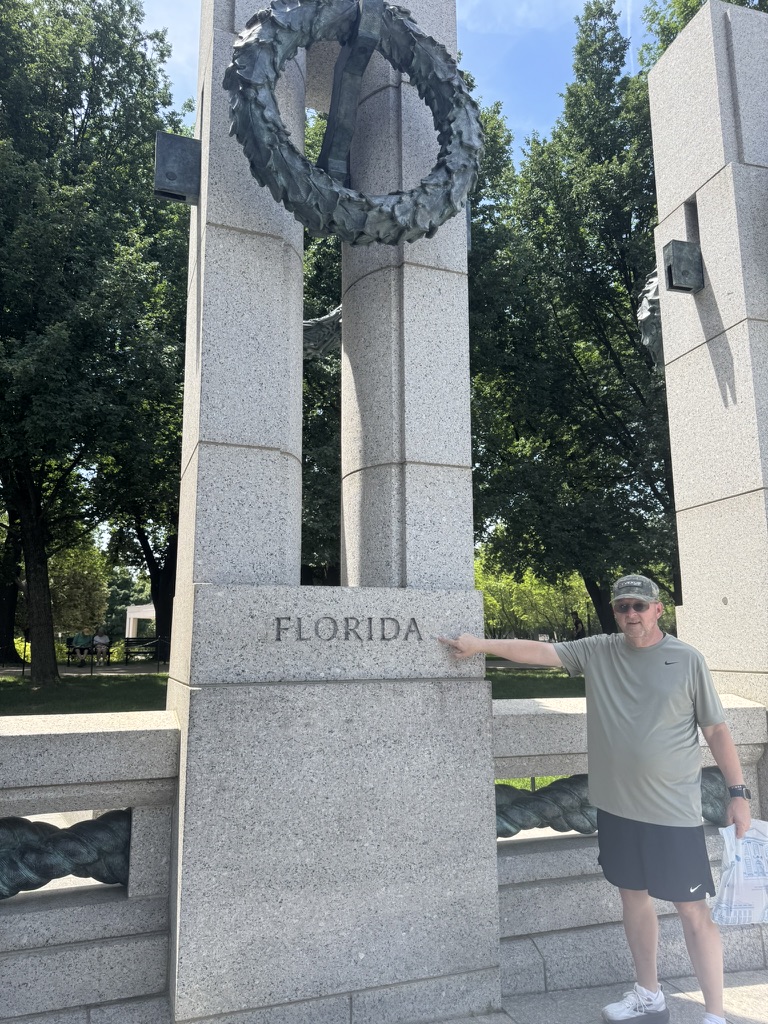
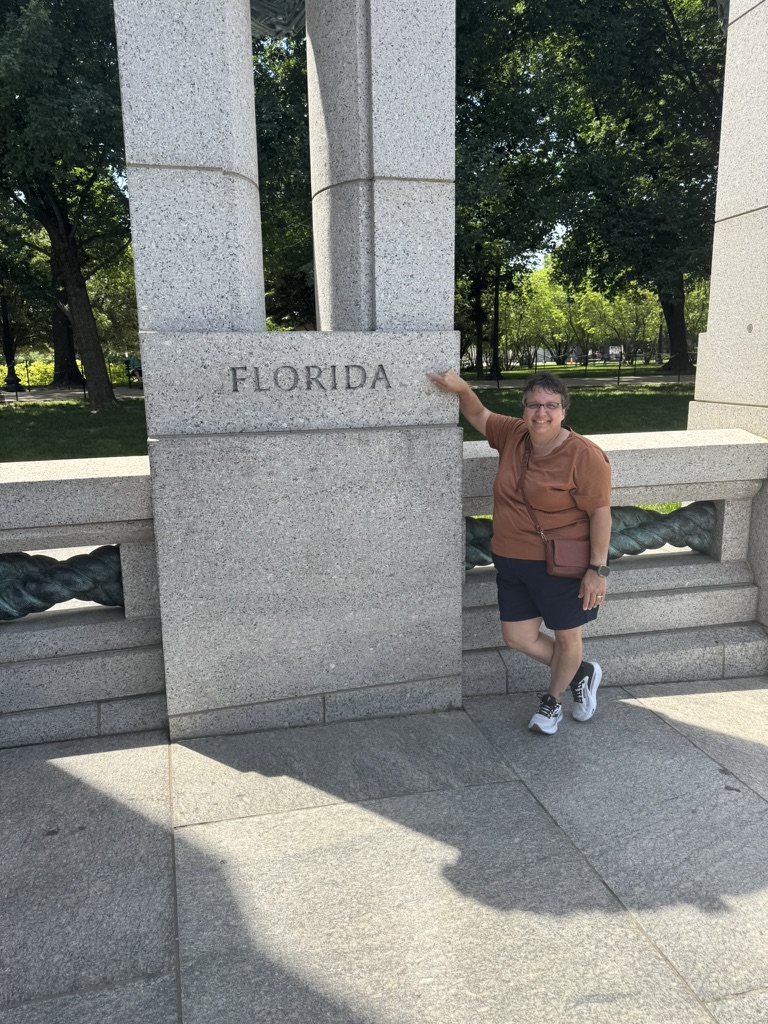
The World War II Memorial was one of those places that encourages you to slow down.
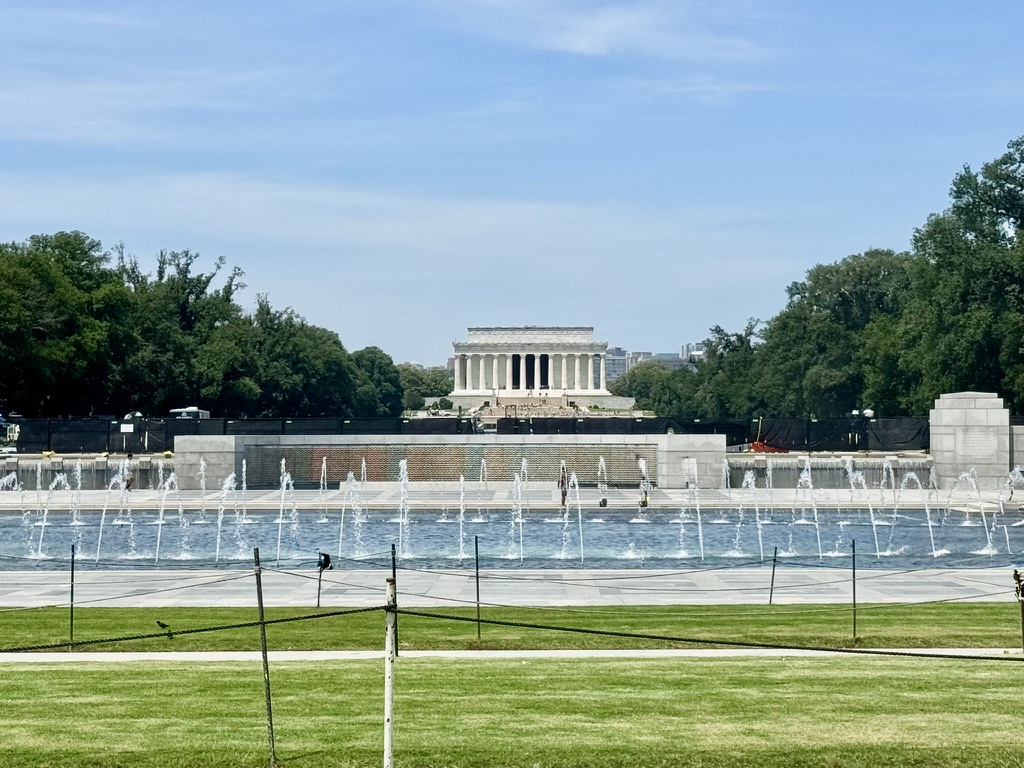
Visitors are welcome to cool their feet in the fountain, something we had never seen before at a national memorial. Sitting there for a few moments gave us time to reflect on the millions of Americans who served and sacrificed during the war.
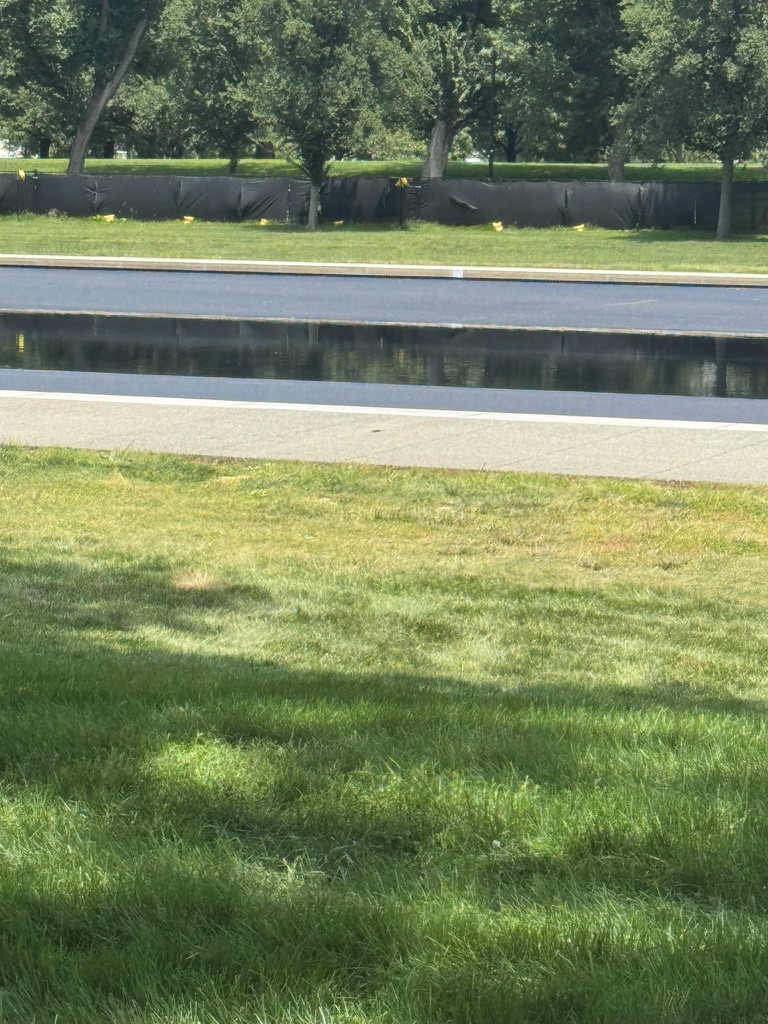
As we continued toward the Lincoln Memorial, we noticed the Reflecting Pool was still being refilled after restoration work. Even without its usual water level, it was still beautiful enough to capture some wonderful reflections of the Washington Monument.
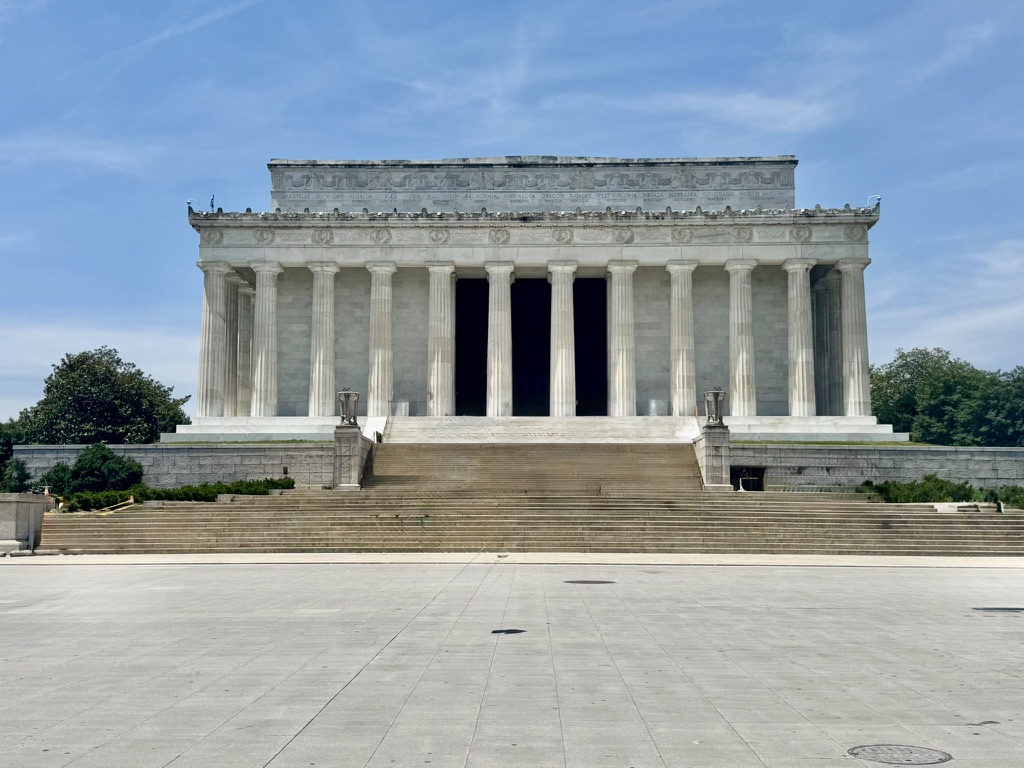
Climbing the steps to the Lincoln Memorial wasn’t exactly easy after nearly nine miles of walking, but every step was worth it.
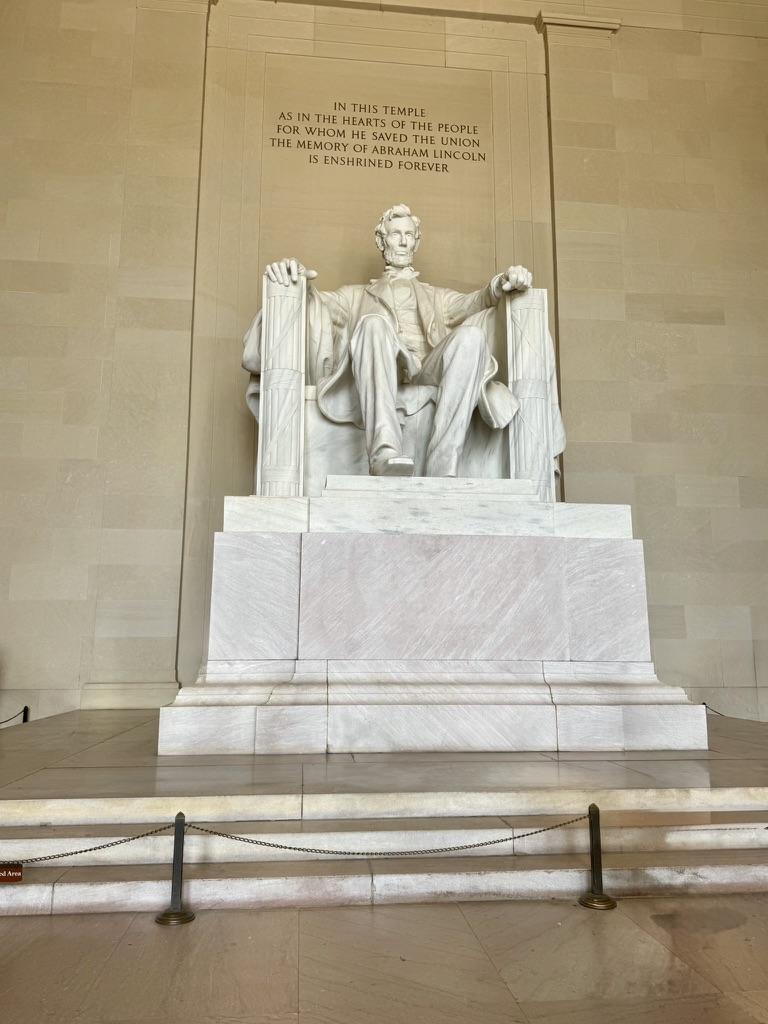
Standing before Abraham Lincoln’s massive seated statue is one of those moments that’s difficult to describe. It’s a place you’ve seen countless times in photographs, yet seeing it in person carries a completely different feeling.
Two Memorials That Stay With You
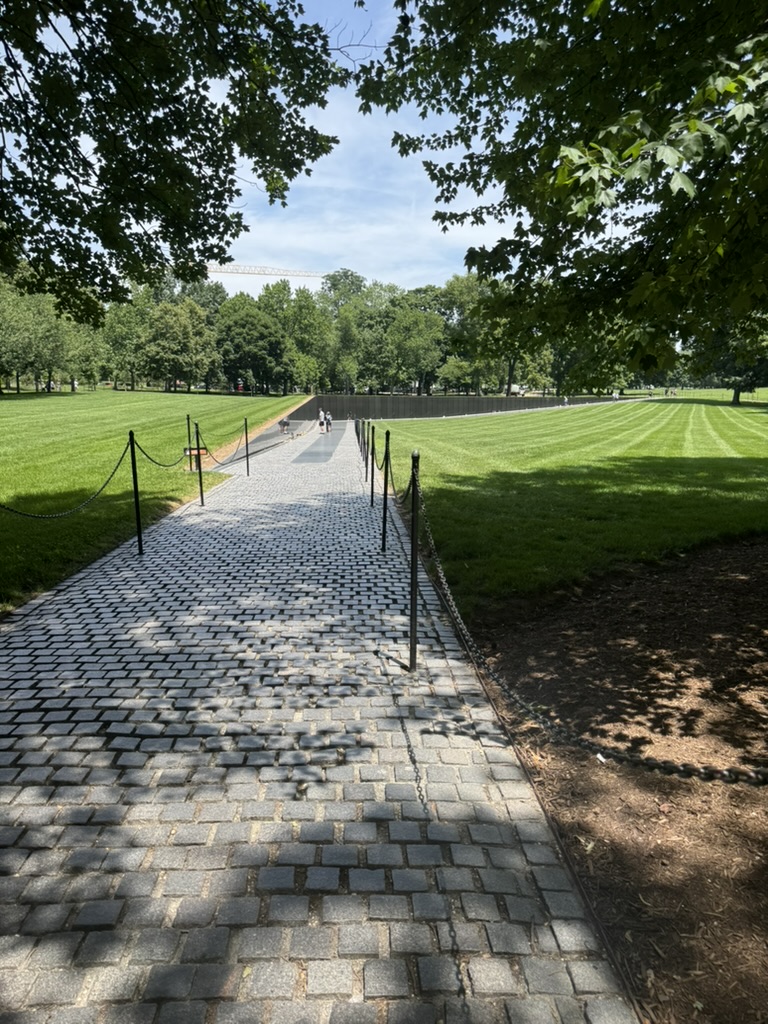
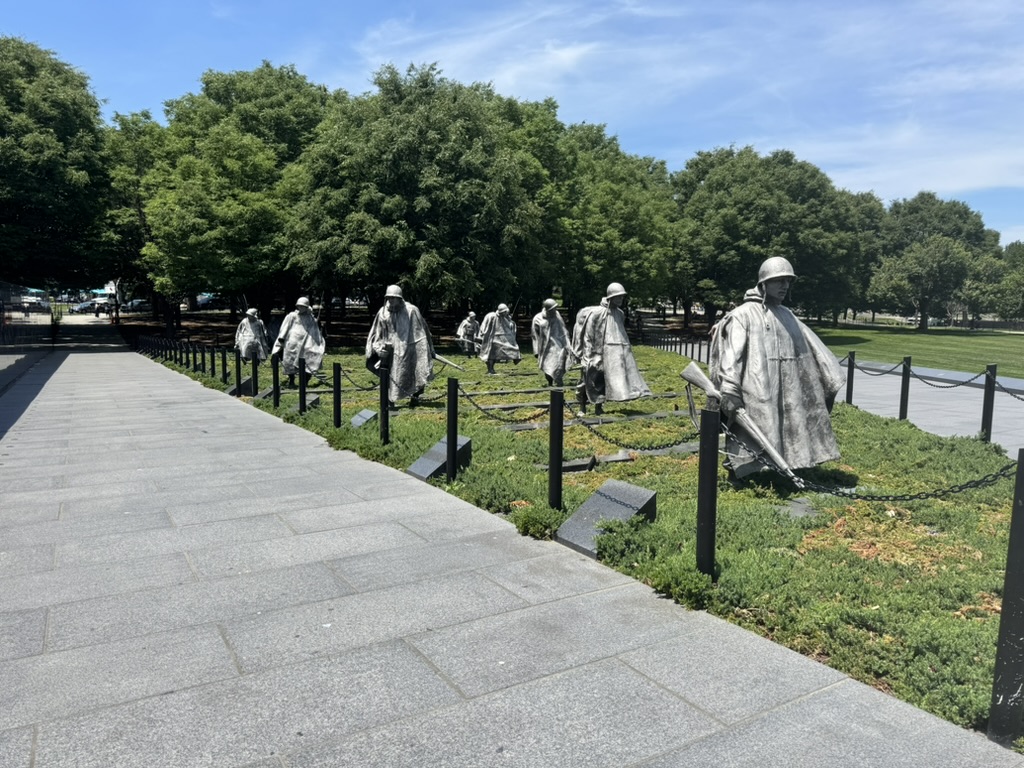
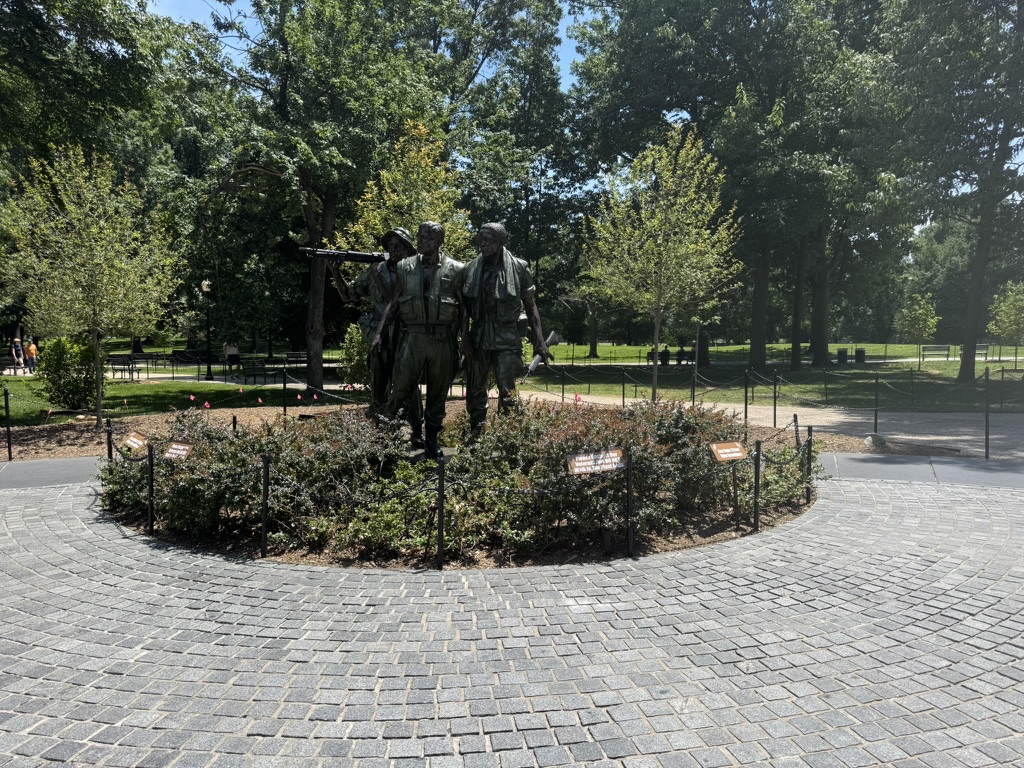
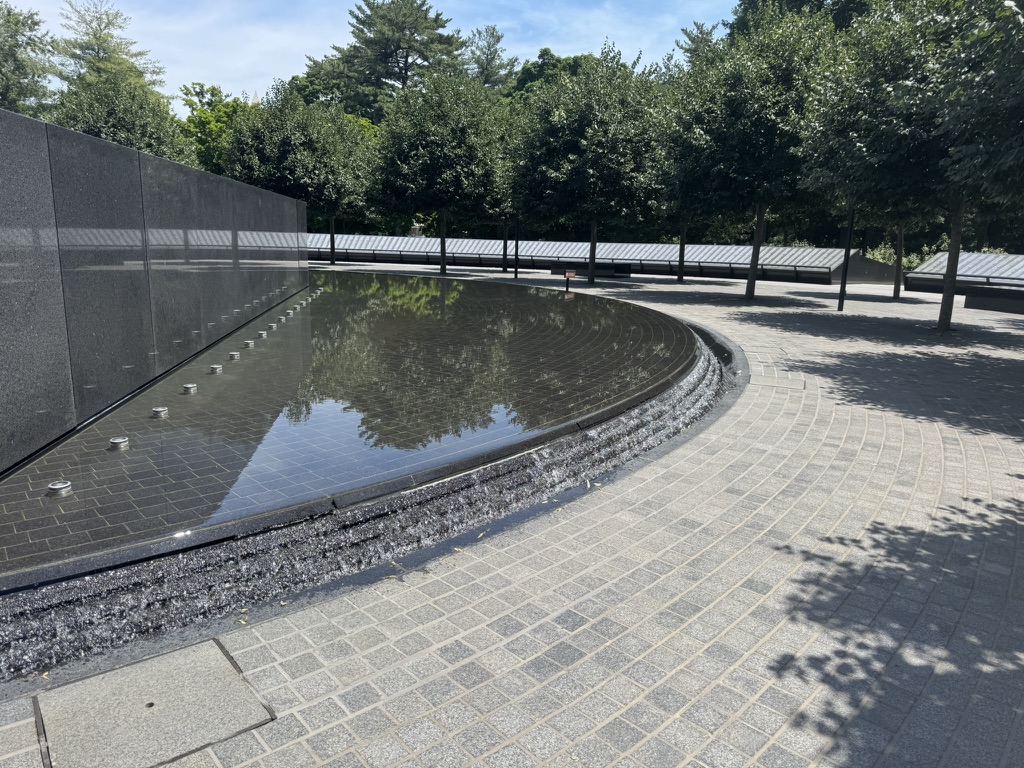
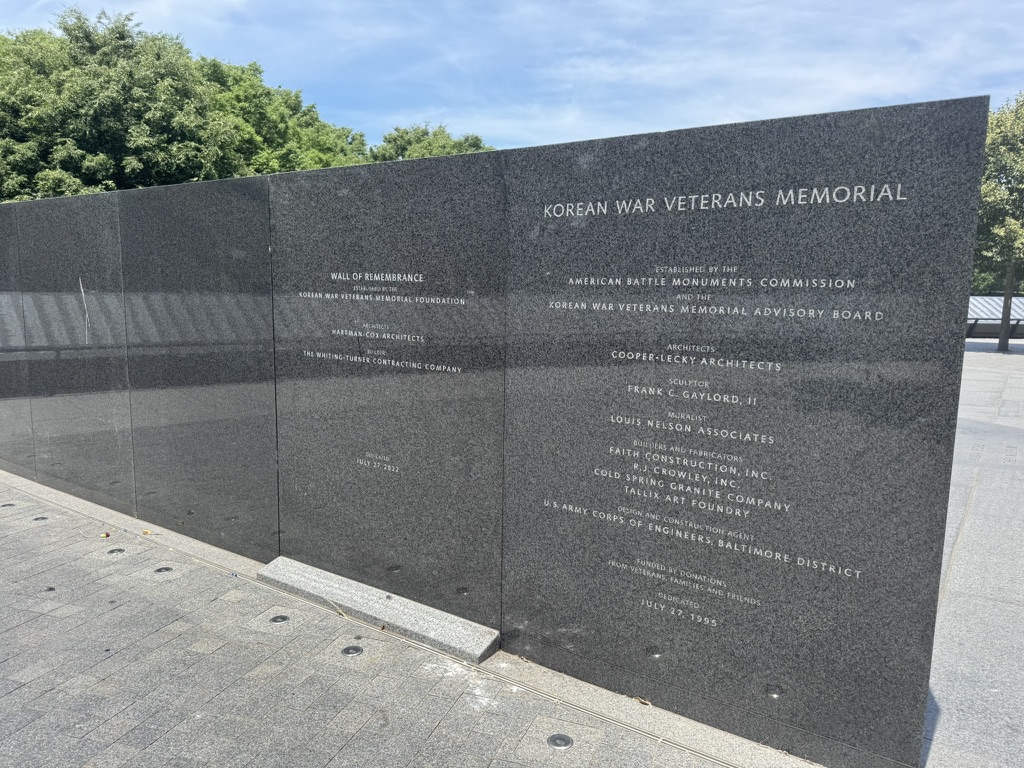
Our final stops of the day were the Vietnam Veterans Memorial and the Korean War Veterans Memorial.
Walking alongside the Vietnam Wall while reading the thousands of engraved names makes history incredibly personal. Those names represent sons, daughters, husbands, wives, brothers, sisters, and friends whose families carried on without them.
The nearby Three Servicemen statue seems to quietly watch over those names, adding another layer of emotion to the experience.
The Korean War Veterans Memorial had an entirely different atmosphere.
There was a noticeable sense of quiet reverence among everyone visiting. The nineteen stainless steel soldiers moving through the terrain create an image that’s difficult to forget, and the memorial serves as a powerful reminder of those who served during what is often called “The Forgotten War.”
Lessons Learned
By the end of the day we were exhausted.
Instead of catching the Metro at the closer Foggy Bottom station, we walked all the way back to Archives because we simply didn’t know any better. Looking back, we laugh about it now.
If there’s one piece of advice we’d pass along, it’s this: spend a little time learning the Metro before you arrive. It’ll save your feet a few extra miles.
Final Thoughts
As military families, memorials always carry special meaning for us, but seeing them in person is something entirely different.
Reading the names engraved in stone, standing where history unfolded, and reflecting on the sacrifices made for our freedom made this one of the most meaningful days of our trip.
Washington, D.C. gave us far more than photographs that day.
It gave us perspective.
And as America celebrates 250 years in 2026, we couldn’t think of a better place to begin exploring the nation’s story than right here among these memorials.
Sometimes the longest days become the ones you remember the most.